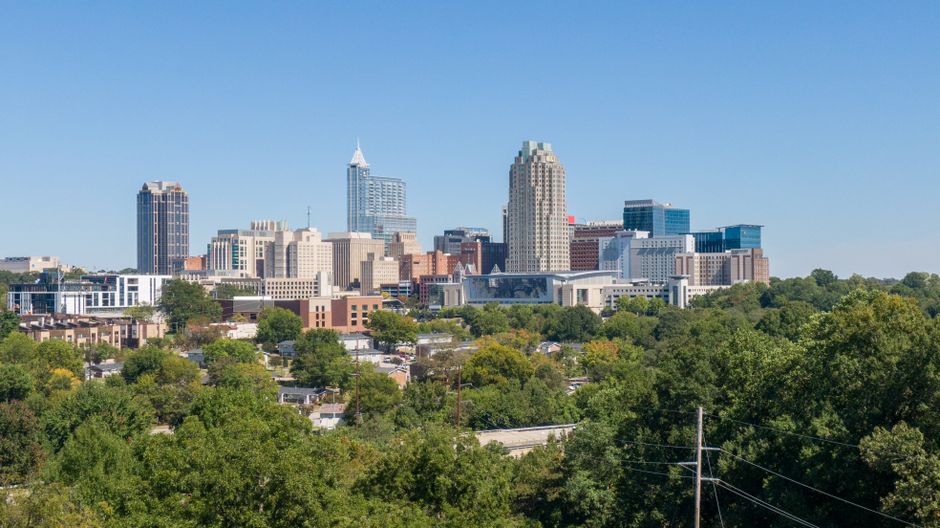
I arrived in Raleigh on a Thursday afternoon expecting the usual triangle-city buzz—tech workers, business parks, a predictable downtown corridor. What I found instead was a city that seemed genuinely disinterested in performing for tourists, which meant the best parts were the ones nobody had written a guidebook bullet point about.
After a few days of wandering past the standard Capitol Square loop and the shopworn attractions, I realized most visitors never leave a two-block radius. The real Raleigh exists in the neighborhoods that radiate outward, in small museums that don't advertise, and in parks where locals actually spend their weekends instead of taking Instagram photos.
Mordecai Historic Park—Where the City Started
Most people know about the State Capitol. Nobody talks about Mordecai. It's a working plantation house smack in the middle of northeast Raleigh, incongruous as hell—brick Federal house from 1785, standing in its own pocket of history while the city grew up around it.
The grounds are bigger than you'd expect, with actual gardens, a law office, and a separate kitchen building that tells you more about how people actually lived than any exhibit hall downtown. I went on a Saturday morning when school groups weren't there and had maybe three other people walking the property. One of the docents—genuinely knowledgeable, not phoning it in—spent twenty minutes talking about the original furniture and the details of how the kitchen operated separately from the house.
It's not Instagram-worthy, which is exactly why it's worth your time. You'll learn something about North Carolina's actual history instead of the curated version.

Dix Park: The Landscape Most People Miss Entirely
Dix Park is technically being redeveloped into some new mixed-use thing, but right now it exists in this strange liminal state where you can still walk 240 acres that almost nobody visits. The former hospital grounds have this eerie, melancholic beauty—old buildings, hiking trails through actual forest, sight lines across the city that most Raleigh residents don't know exist.
I spent an afternoon there when the weather cleared and only saw two other people. The park connects to other trails and green space, but the trails themselves are quiet enough that you hear actual birds. There are views from higher elevations that look out toward the city's edges. It's underused partly because people don't know what it is—calling it a hospital grounds doesn't make it sound appealing—but it's becoming a valuable green space that locals are discovering before it gets completely transformed into whatever's planned.
Go before the project finishes. It won't be the same once they've "activated" it.
The North Carolina Museum of Natural Sciences—Overshadowed by Bigger Names
The natural sciences museum doesn't get mentioned in the same breath as the art museum or the history museum, which means you might actually move through the exhibits without fighting crowds. The building itself is thoughtfully designed, with multiple connecting structures that let you flow through without feeling herded.
What struck me was the actual quality of the displays and the focus on ecology and natural history that felt less designed for broad appeal and more genuinely educational. The aquarium section is well-done without being overdone. The nature trails immediately adjacent to the museum are worth an hour alone—they're wooded paths through urban forest that feel removed from the city.
I spent three hours there on a Wednesday afternoon and had long stretches where I was the only person in entire gallery sections. That kind of solitude in a museum is becoming rarer.
The Shops and Cafes Around Warehouse District and South Saunders
The Warehouse District gets some attention, but mainly the restaurants. What's worth the trip is wandering the smaller streets where local shops that aren't chains have set up. South Saunders Street has a different energy than the marketed downtown area—less polished, more actual.
I found a used bookstore that was legitimately good—organized chaos rather than the curated Instagram aesthetic—where the owner actually knew the inventory. A fabric shop that caters to actual sewers rather than hobbyists. A vintage place that wasn't trying too hard. These aren't destinations that look impressive on a postcard. They're the kind of place you stumble into and decide to spend an hour because the person behind the counter is interesting and the stuff is real.
The cafes around there are also less predictable than downtown. I had better coffee and a more genuine conversation with staff at places that weren't designed by consultants to feel "authentic."
Artspace: An Active Working Studio Space That Welcomes Visitors
Artspace is a converted warehouse building with studio spaces where artists actually work—not a curated gallery with gallery hours, but functioning artists who open their studios periodically. This is the kind of place that changes your understanding of what exists in a city because it shows you the infrastructure that supports the work you see displayed elsewhere.
I walked through on an open studio day and ended up talking with a textile artist for a ridiculous amount of time about process and materials. Bought a small piece that I actually use regularly, partly because it was beautiful and partly because I'd met the person who made it. The experience was zero percent touristy and entirely genuine—no tour guides, no gift shop, just people making things and willing to talk about them.
The building itself is worth seeing. The neighborhood around it is worth exploring on foot.
Raleigh's Smaller Parks and Walking Routes Nobody Seems to Know About
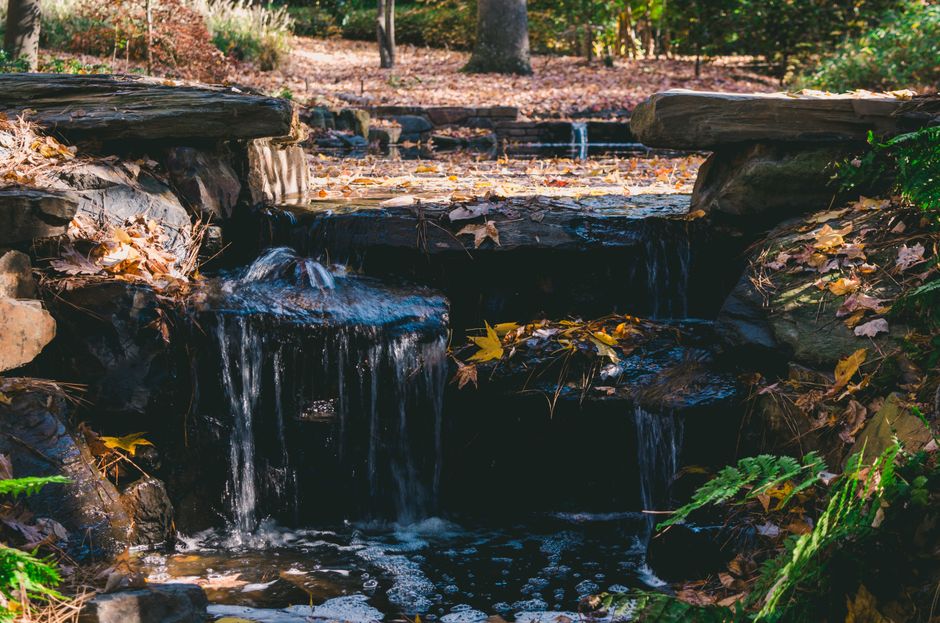
Everyone jogs in Umstead or drives to somewhere else for outdoor time. The actual parks where locals spend a random Tuesday afternoon are lower-profile. Lake Crabtree Memorial Park has water, trails, and genuine quiet. Pullen Park is larger and more conventional, but the surrounding neighborhoods around it have character that rewards walking beyond the actual park boundaries.
What I realized after several days was that the walking experience itself—moving through the city on foot—revealed more than any single destination. The residential areas north of downtown have tree-lined streets. The historic neighborhoods around Oakwood have architecture and texture. The problem is that nobody packages these as experiences. You have to actually wander and find them yourself, which is what makes them valuable.
The Food That Doesn't Make Lists
Everyone knows about the popular restaurants. What's worth finding are the neighborhood spots where locals have been eating for years without buzz. A Vietnamese place that's genuinely good because the owners care about the food, not the reviews. A barbecue joint that's been in the same location since before food media existed. These places aren't hidden—locals know them—they're just not interesting to people who think tourism means documented destinations.
I ate better on my second week in Raleigh than my first, once I stopped looking at rankings and started asking people who lived in specific neighborhoods where they actually ate. That's not clever travel advice. It's just how you eat well somewhere.
Why Raleigh Rewards the People Who Stay a While
Most travel writing about Raleigh feels obligatory—like writers are checking a box for a capital city. It's not a destination most people plan a trip around. It doesn't have a singular draw or a reputation for one thing. That's exactly what makes it interesting if you're willing to spend actual time there.
The city reveals itself slowly, through neighborhoods and small institutions and the kind of conversations you have when nobody's performing tourism. That requires time, and willingness to walk without a predetermined route, and acceptance that some of the best parts won't have impressive names.
I came for three days and stayed eleven because it stopped being about checking off attractions and became about understanding how a city actually works when nobody's watching.