I'd been in Sacramento for a day, walking the old Capitol grounds and the waterfront, when it hit me: this is a launchpad, not a destination you park yourself in for a week. The city sits at an intersection of California's best road-trip options. You're close enough to the Sierra foothills to smell pine on a weekday afternoon, close enough to wine country that you can taste something decent before dinner, close enough to Tahoe that "let's drive up there" isn't a crazy whim. The capital can fill a day or two, sure. But if you're based here with a car and three or four hours to burn, you've got legitimate options that beat sitting in another conference room or shopping downtown.
I started mapping drives almost immediately. What follows is what I'd actually go do again—not the obvious tourist traps, but places where the hour or two in the car feels worth it because what's waiting matters.
Coloma and the Gold Country Loop (45 Minutes to 1.5 Hours)
Coloma is the place Marshall found the first big gold nugget, and yes, it's a bit of a tourist stop. But it's also genuinely one of the nicest introductions to the Sierra foothills you'll find that close to the city. The drive itself down Highway 50—especially once you drop out of the valley—is something. Trees actually get tall. The air changes.
The Marshall Gold Discovery State Historic Park sits right there on the American River. There's a replica of the mill, some old buildings, and enough context that you understand what happened here actually mattered. The park charges for parking but it's reasonable. You can walk the grounds in ninety minutes if you're not lingering, or spend two hours if you grab coffee and sit by the river. The water's cold and beautiful.
From Coloma, you can loop northeast into Amador County wine country—Sutter Creek and Amador City are both less than thirty minutes away, small enough that you won't feel trampled by tasting-room crowds. The wineries there tend to be family-owned operations that don't need a reservation during the week. Spring and fall are best; summer crowds and heat make the drive less pleasant. Winter's fine if you don't mind gray skies, and honestly you'll have the place to yourself.
Lake Tahoe: South Shore Route (1 Hour 45 Minutes to 2 Hours)
I won't lie—you're not getting a full Tahoe experience in a day from Sacramento. But the south shore, accessed via US-50, is doable as a half-day push if you leave early enough.
The drive itself is half the point. US-50 climbs into the mountains with real purpose. By the time you hit Pollock Pines, you've already left the valley heat. The lake, when you finally see it, still hits different—that impossible blue surrounded by granite and pine.
South Lake Tahoe the town is chaotic and overbuilt, worth skipping. But the lake itself isn't. Drive past the commercial garbage and head to Emerald Bay State Park on the west shore, or if you want something quicker, Sand Harbor on the north side of the lake offers actual beach access and views that justify the drive. Eagle Lake Trail, if you're into hiking, gains elevation but doesn't kill you—it's about eight miles round trip from the parking area and you're rewarded with a view that most casual tourists never reach.
Go anytime except major holidays. Summer is warm and crowded. Fall, late August into September, is actually perfect—the lake's still swimmable, the crowds thin out, and the light changes to something warmer. Winter requires chains or snow tires and decent driving skills.
Placerville and the Apple Hill Loop (1 Hour)
Placerville gets overlooked because it's been a gold-rush town, a Wild West hangtown, and now a string of chain stores along Main Street. But the actual town center still has bones. And more importantly, Apple Hill—the area northeast of Placerville in the foothills—is legitimately worth an afternoon, especially if you time it right.
The orchards up there open for U-pick in late summer and fall. You drive narrow roads through apple and pear country, stop at one of maybe a dozen farm stands, fill a bag with fruit you actually picked, and eat it in a parking lot while looking at valley views. Boa Vista Orchards and Grandpa's Cellar are the ones I'd go back to, though I'd recommend checking current hours before you drive—farm operations aren't always great about updating websites.
The town of Placerville itself has a decent Main Street diner (Cosmic Cafe, if it's still there), and the surrounding area's history isn't boring if you like old gold-rush narratives. The real play though is the orchards and the drive through the hills. Go in September or October when fruit's actually ready. Summer works but it's hot and the crowds bigger.

Lodi and Tokay Wine Country (30 to 45 Minutes)
Lodi gets written off as a flyover wine region. Napa gets the magazine spreads. Lodi gets the shrug.
That's actually why it's worth the short drive. The wine is real, the tasting rooms don't have a bouncer vibe, and because it's half the distance of Napa, you can actually do a two-tasting-room afternoon and not spend half your day driving. The Tokay region specifically—the area around Lodi—produces Zinfandels and older grape varieties that other regions gave up on. It tastes like something. You notice it.
The main drag in downtown Lodi is lined with tasting rooms. Some are better than others, but you won't get hostile water-or-wine service. Park once, walk around, stop in wherever looks reasonable. Michael David Winery and Jessie's Grove are the ones locals actually recommend. On weekends it gets busier. Weekday afternoons in summer, you might have the place mostly to yourself.
The drive's short enough that this works as a three-hour outing. Spring and fall are fine, but honestly any season works. It's never cold enough to be miserable, never hot enough that August is unbearable.
Jackson and the Mokelumne River Area (1 Hour to 1 Hour 15 Minutes)
Jackson's another gold-rush holdover, but unlike some of these towns, it hasn't been entirely hollowed out. The main street still has working businesses that aren't all tourism-dependent. There's a cemetery with actual history in it. The Kennedy Mine, if you're into that kind of thing, is still visible from town—one of the deepest hard-rock mines in the state.
But the real reason to drive here is actually the Mokelumne River. Once you're past Jackson, you drive into actual Sierra foothills geography. It's not wilderness—there are houses, there's civilization—but it's the first place where you genuinely feel like you've left the valley. The river itself has swimming holes that local people use. It's cold enough that you understand why people swim there on ninety-degree days, beautiful enough that you want to sit on a rock for an hour.
The drive to Jackson takes you through Amador County wine country again if you take Highway 49, which is the scenic route. The direct way via Highway 16 is faster but loses something. Late afternoon in summer, this is a good play—you drive, you hike down to a river hole, you sit, you eat something at a local place, you drive back. The town itself isn't worth three hours, but the geography around it is. Fall and spring are optimal, but summer's what most people go for.
Practical Notes on Timing and Seasons
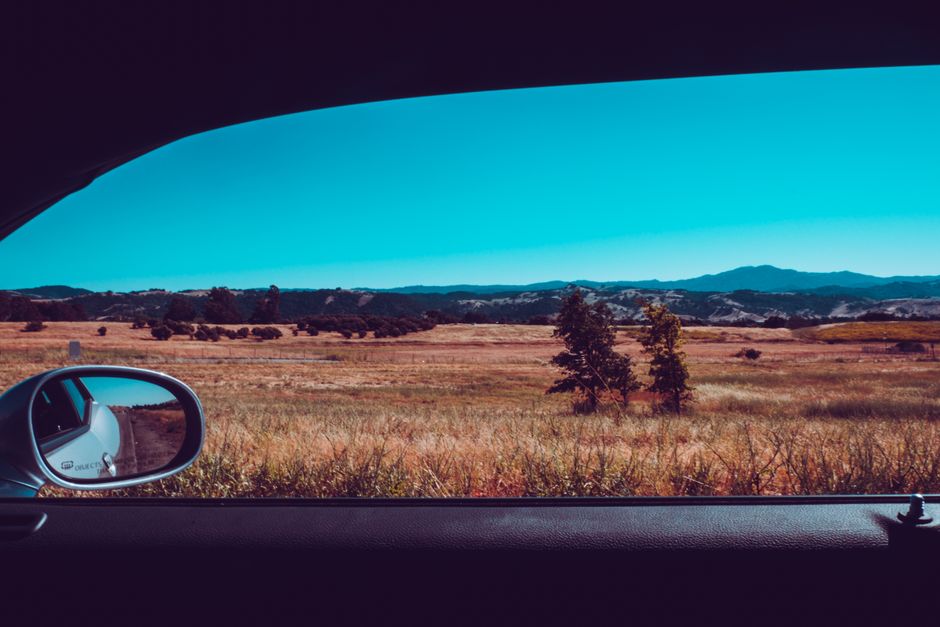
Most of these drives are under two hours, which means you're looking at realistic half-day trips if you're driving from central Sacramento. That leaves you morning or afternoon to actually be somewhere. I'd factor in drive time both ways and be realistic about what you're going to do in the window you have.
Summer is hot in Sacramento, which actually makes the mountain drives more appealing. You'll spend time in traffic on US-50 on weekend mornings—everyone else gets the same idea. Weekday mornings are quieter. Fall, October especially, has the best weather of any season: cool enough that driving isn't miserable, warm enough that you're not uncomfortable outside.
Winter in the foothills is gray and sometimes wet, but solitude is guaranteed. Spring's muddy in some areas and beautiful in others. Know what's driving the trip before you commit to a date. If it's wine, go spring or fall. If it's water or hiking, go late summer or fall. If it's just escaping the valley heat for a few hours, summer is actually fine as long as you get to elevation.