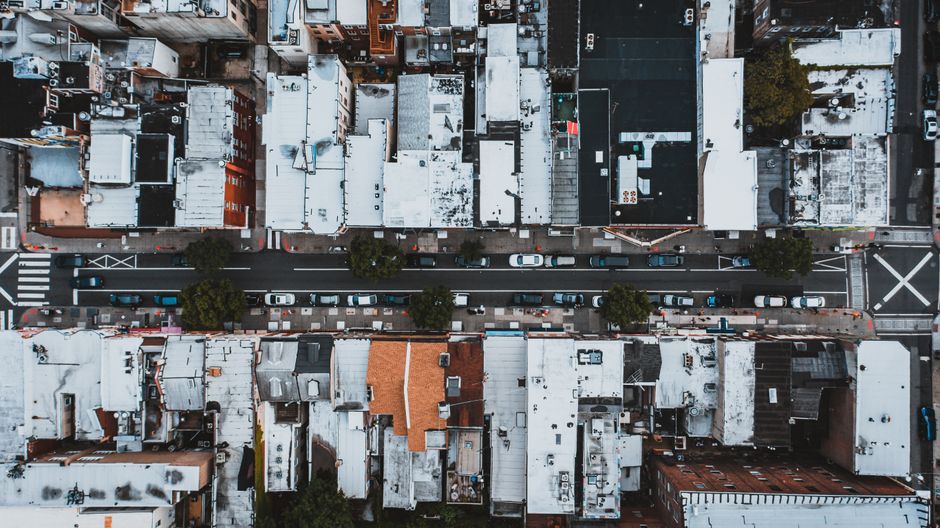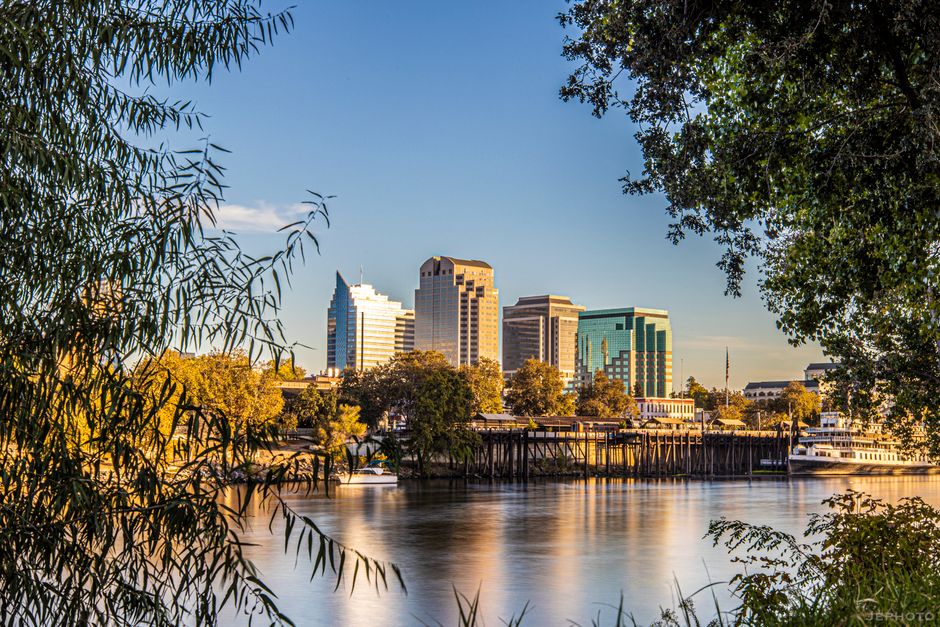
I showed up in Sacramento on a Wednesday afternoon expecting to spend three hours at the Capitol and call it done. Instead, I spent the next two days getting properly lost in the grid of neighborhoods most visitors never leave the guidebook for. The city has this sneaky quality—quiet, not trying to sell itself too hard, full of old buildings and riverside parks that seem genuinely designed for people who actually live here rather than people passing through. Once I stopped looking for the obvious stuff, Sacramento felt like a real place.
The thing about this city is that the good parts aren't concentrated in one tourist corridor. They're scattered across neighborhoods that require a little wandering. You'll need comfortable shoes and a willingness to wander down residential streets. Most people miss them entirely because they're not immediately adjacent to the State Capitol or the Old Sacramento boardwalk.
Folsom Lake's Granite Bay Side—Where Nobody Goes
Most tourists who venture to Folsom Lake end up at the main parking areas near the dam or the marina. Granite Bay, on the north shore, is a completely different experience. It's quieter, less crowded, and the water here actually looks like a lake instead of a recreation area parking lot.
I drove out on a Saturday morning expecting crowds and found maybe a dozen people total across the whole northern section. There's a decent trail system without the organized-tour feel of the more popular spots. The granite formations that give the area its name are actually visible from the water, which you'd think would make it famous, but instead it remains one of those places where locals bring their dogs and people sit on the rocks without having to stake out a spot at dawn.
The access isn't complicated, but it's not sign-posted to death either. Once you're there, the day-use fee is standard for California state recreation areas, and the parking lot doesn't have that overcrowded energy. Bring your own water and food—the amenities are basic.
The Crocker Art Museum's Forgotten Wing
The Crocker doesn't have the profile of the Getty or LACMA, so visitors who make it here at all tend to hit the main galleries and leave. But the contemporary wing, added in 2010, sits in a different building across a courtyard, and I watched probably ninety percent of tourists skip it entirely.
I spent an hour in there on a Tuesday with maybe three other people. The collection isn't enormous, but it's thoughtful—California artists, regional work, stuff that actually reflects what's being made in the region rather than a greatest-hits museum exhibition. The light in there is good. The crowd situation is genuinely pleasant. If you're the type who enjoys spending time with art rather than rushing through it, this wing deserves more attention than it gets.
The main building is worth seeing too, of course, but the gap between the crowds in one section and the relative emptiness in the other is striking. Admission covers both, which is fair value if you're willing to take your time.
Land Park's Real Neighborhood Feel
Land Park is where normal Sacramento people live. It's not a tourist attraction—it's a neighborhood with tree-lined streets, early-twentieth-century houses, and an actual community center of gravity. The park itself (which the neighborhood is named after) gets foot traffic, but the blocks around it are genuinely residential in a way that matters.
I walked through on a Saturday morning and saw people watering lawns, kids on bikes, the actual texture of a place where people's lives happen. There's a little commercial strip with some legitimate local places—a bakery that was actually good, not performatively Instagram-ready. The library on the edge of the park is one of those unexpected California buildings that feels like real public infrastructure from a different era.
The zoo is in this area too, and that draws crowds, but if you skip that and just wander the neighborhood itself, you get a sense of what Sacramento actually looks like beyond the downtown corridor. It's not dramatic or weird. It's just pleasant in an understated way.
Sacramento History Museum—Small Enough to Actually Absorb
The Sacramento History Museum sits in Old Sacramento and definitely gets some foot traffic, but most visitors treat it like a quick 45-minute stop between lunch and the riverfront walk. If you give it actual time, you realize it's doing something more interesting than the surface presentation suggests.
The museum does a solid job with the Gold Rush era without turning it into theme-park material. There's good context about how the city actually formed, what the economic forces were, how it connected to everything else happening in California. The building itself—it's in a historic structure—is worth the price of admission before you even look at an exhibit.
I found that going on a weekday afternoon meant having the place nearly to myself, and that changes the experience. You can read things. You can actually think about what you're looking at instead of being shuffled along by the crowd.
The American River Parkway's Northern Sections
Everyone knows the American River Parkway exists. Most tourists hit the Old Sacramento end, do a short walk, and move on. The parkway stretches for miles, though, and the sections farther north, especially around Nimbus Fish Hatchery and beyond, feel like a completely different place.
I rented a bike (there are local rental shops that are much cheaper than the tourist-facing places) and rode out in the early morning. The quality of the trail improves as you get away from downtown. The air feels different. You're actually in a riparian corridor instead of an urban greenway. The hatchery section has its own weird charm—there are actual fish being raised there, and the whole operation has this low-key educational vibe without being didactic about it.
The trail section around Ancil Hoffman Park on the northeast side of the parkway is particularly quiet. There's a managed wetland area that's actually good for birds if you're into that, and the mosquito situation, somehow, is better than you'd expect. It's a solid way to experience Sacramento's actual ecosystem rather than its tourism infrastructure.
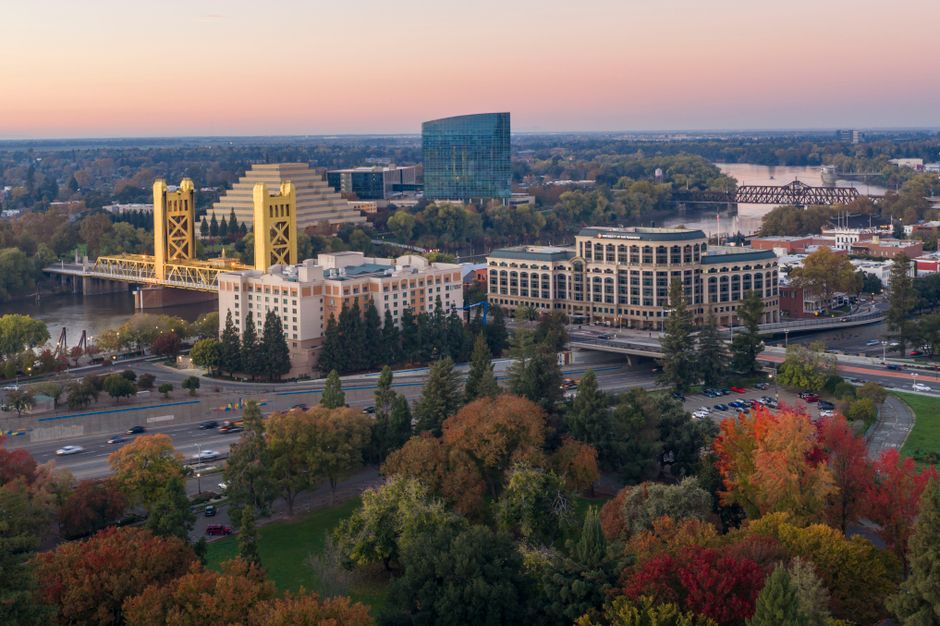
The Tower Theatre and the Midtown Art Scene
The Tower Theatre itself is the anchor of Midtown, but the whole neighborhood is worth understanding as a piece of local culture rather than a tourist destination. The theater is a beautifully restored 1920s building that actually hosts shows and performances, not just tours. If you can catch an actual event there, it's genuinely impressive.
But Midtown is bigger than one building. There are galleries, some good restaurants that serve actual food for actual prices (not the "we know tourists will pay this" pricing), and a street grid that feels designed for walking. I wandered around on a Friday evening and saw people actually out doing things—not performing for Instagram, just living. There's a farmers market on Sunday mornings that's quality.
The neighborhood isn't "undiscovered" exactly—locals know it's there—but it's not part of the main tourist circuit. Most visitors never make it past downtown's tourist core.
McKinley Park and the Neighborhoods Around It
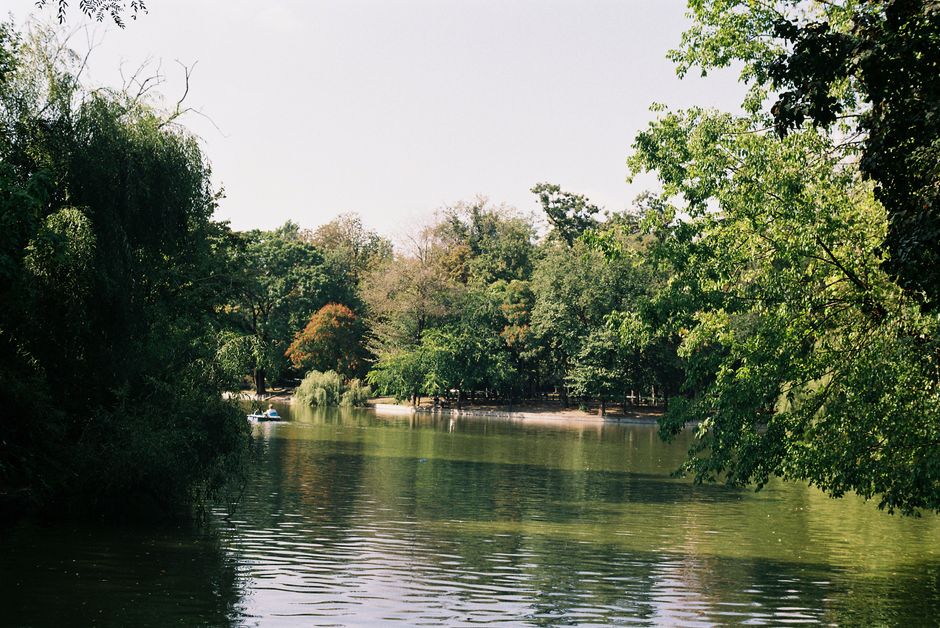
McKinley Park is in East Sacramento, a neighborhood that barely registers on most tourist maps. The park itself is genuinely nice—mature trees, open space, a lake that's actually pleasant to sit by. But what matters is how the neighborhood functions around it.
I spent a Sunday afternoon there, and it was the first time I really felt like I understood what Sacramento was actually about. Families, people with dogs, neighbors actually using public space. The commercial streets feeding into the park have local shops and cafes that exist because people in the neighborhood want them, not because tourists are expected.
The drive or bike ride there from downtown is quick, maybe fifteen minutes, and it feels like leaving the city without actually leaving the city. It's the kind of place that makes you understand why people choose to live in Sacramento and don't apologize for it.
The Actual Take
Sacramento doesn't need saving. It doesn't need you to discover it or call it underrated. It's just a city where real people live, with some decent parks, some interesting history, some actual neighborhoods with character. Most tourists come, see the Capitol, leave. If you want more than that, it's there—it just requires actual wandering rather than following the standard route.
The whole point is that Sacramento works better if you stop treating it like something to check off and start treating it like a place. Spend a morning lost in Midtown. Ride the American River trail until your legs get tired. Sit in a park that's not immediately downtown. That's when you actually get what's going on here.