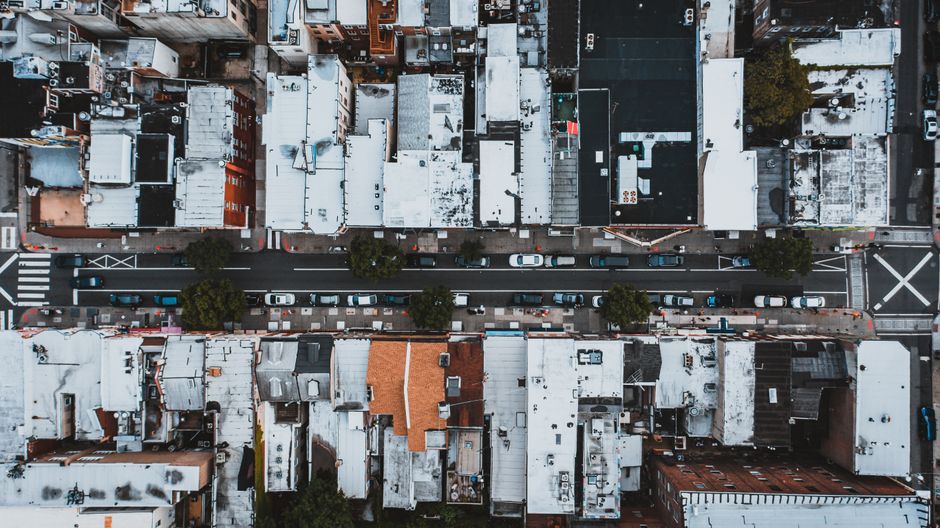
Sacramento gets a bad rap. People think it's all legislative gridlock and strip malls, so they miss it entirely or pass through without stopping. Which means they're also missing what's actually around it—terrain that shifts from valley flatness to real Sierra foothills within an hour's drive, little towns that still feel like they're running on Gold Rush era momentum, and wine regions that somehow never made it onto the Instagram circuit the way Napa did.
I came here for work and stayed because the day-trip math is exceptional. Everything I wanted to actually *do* was close enough that I could leave early, have a full day elsewhere, and be back by dinner. That changes how a place feels. Let me walk you through the best options.
Amador County Wine Country: Sutter Creek and Plymouth (45 minutes to 1 hour)
If you're expecting Napa-style pricing and food-cart lines, you'll be pleasantly disappointed. Amador sits in the Sierra foothills southeast of Sacramento, and the wine scene here is substantially less crowded without sacrificing quality. The region makes solid zinfandels, barberas, and some interesting Italian varietals—partly because early Italian immigrants settled here and stuck around.
Sutter Creek is the main hub. The town itself is compact, walkable, and genuinely quiet on weekdays. There are tasting rooms along Main Street and scattered through the surrounding hills. I'd skip the chain-adjacent places and aim for smaller operations that actually talk to you about what they're pouring. Amador Cellars, Renegade, and the various family-run spots usually have someone behind the counter who knows the vineyard personally. Spring (March-April) is solid if you want to avoid summer heat, though fall brings the harvest energy and isn't unbearable if you go mid-week.
Plymouth, the other anchor town, sits higher in the hills and feels even quieter. There's less of a main-street vibe but more actual vineyards visible from the road. If you're driving between Sacramento and Amador anyway, route through Plymouth's backroads—the scenery justifies the extra 20 minutes. Bring a picnic or plan lunch in Sutter Creek; the restaurant scene is limited but functional. Best visited October through April; summers get genuinely hot up there.
Folsom Lake: Recreation Without the Drive-to-the-Sierra Hassle (20-35 minutes depending on which shore)
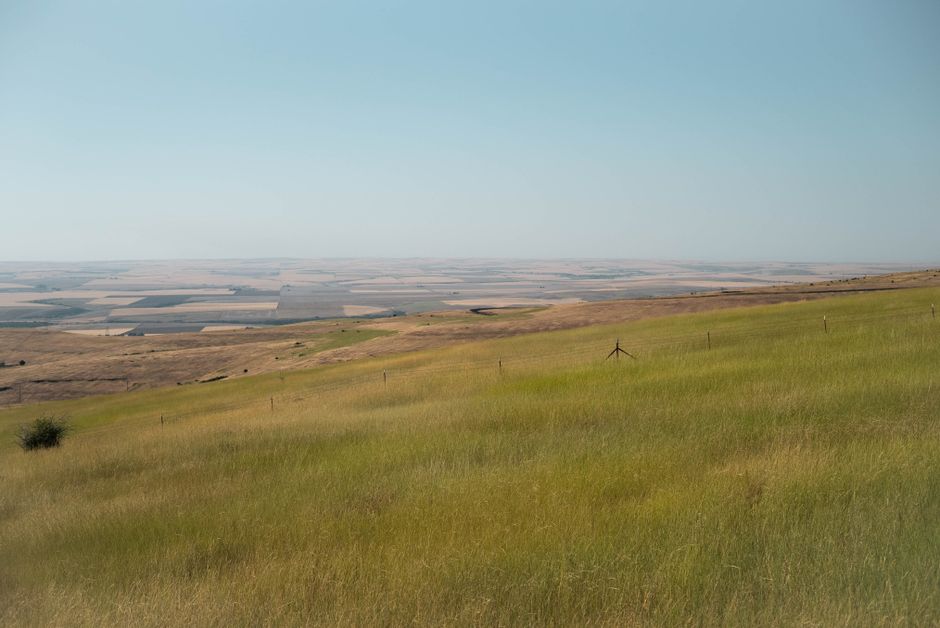
Folsom is deceptive. It looks like a sprawl-adjacent reservoir on the map, and it kind of is, but the lake itself is large and twisty enough that you can find actual quiet. The main infrastructure—boat rentals, sandy beaches, the typical day-use parking lots—congregates at the south end, which means the north shore and eastern arms are genuinely undercrowded for a water body this close to the metro area.
For a non-water day, the American River Bike Trail runs for miles along the lake's edge, and it's genuinely pleasant. Flat, shaded in sections, and you can bail off-trail to sit by the water whenever. Park at Beals Point or the Salmon Falls area and you'll avoid the main beach madness. Lake access is reasonable year-round, though summer heat makes morning or evening timing essential. Spring and fall are ideal—water's not arctic, air temperature is manageable, and the light is better for photography or just sitting.
If you're going to eat there, pack food or expect casual—there's a restaurant or two near the main park, but nothing worth planning around. This is a half-day trip if you're disciplined, a full day if you bring a book and actually slow down. It's the right choice when you want relief without the commitment of driving to the mountains.
Nevada City and Grass Valley: Historic Gold Country with Actual Character (1 hour to 1 hour 15 minutes)
Nevada City gets it right in a way a lot of old-town restorations don't. It's not a museum performing nostalgia; it's an actual functioning small city that happens to have kept its 19th-century bones. You walk the downtown and you're looking at real buildings doing real work, not storefronts rotated into gift shops.
The place draws artists, musicians, and the sort of people who chose to live in the mountains instead of anywhere easier. That creates an atmosphere that's neither aggressively quaint nor depressing. There are galleries, good coffee, restaurants that aren't tourist traps, and a bookstore that's worth an hour alone. The downtown grid is tight enough to walk in a morning, but the surrounding neighborhoods reward wandering.
Grass Valley sits adjacent, and while it's slightly larger and slightly less intentional about its aesthetic, it's worth knowing about. More commercial, more working-class history, fewer people trying too hard. The South Yuba River runs between them and offers swimming holes and trails if you want to actually move around.
The best time is probably May through September, though honestly it's nice year-round. Winter can get rainy and the roads up Highway 49 are fine but not thrilling in bad weather. Summer crowds are real but not crushing if you avoid weekends. Pack a full day: breakfast in Nevada City, walk the downtown, hit the river if it's warm enough, grab lunch, browse galleries or hike around town. You'll easily spend six to eight hours and leave wanting to come back.

Placerville: Underrated Foothill Town with Real Gold Country Texture (45 minutes to 1 hour)
Placerville doesn't have Nevada City's self-conscious charm, which is exactly why it's worth the trip. It's a working foothill town that tourists haven't quite figured out, though that's changing slowly. The Main Street has character—brick buildings, local restaurants, actual bars where locals sit, not performance spaces.
The Gold Bug Park is legitimately interesting if you've never been inside an actual gold mine. It's small and genuinely educational without being cloying about it. There's also decent hiking access in the surrounding hills if you want to move around. The El Dorado Wine Trail passes through here, and there are tasting options, though it's less organized than Amador and you'll do more driving between spots.
Food is better than you'd expect. There are a couple of solid local restaurants and some very decent tacos. The vibe is "people who actually live here," not "people stopping through," which makes a real difference when you're trying to grab lunch.
Early fall is ideal—the weather is nice, the crowds are minimal, and everything feels less self-conscious than it does in summer. Go mid-week if you can. Spend four to five hours and you'll be satisfied without feeling like you rushed.
Fair Play and the Eastern El Dorado County Wine Loop (1 hour to 1 hour 15 minutes)
This one requires more commitment than the other wine regions on this list because there's no town center—it's vineyards spread across foothill roads with minimal commercial infrastructure. But that's also why it works. You're driving through actual landscape, stopping at actual working wineries, not performing a tourist activity.
Fair Play itself is barely there—a few buildings and a crossroads. The wine comes from local zinfandels and Italian varietals, and the operations are small enough that you're talking to actual winemakers or their families, not staff. Parking is always available, tasting fees are reasonable, and the people are genuinely glad you showed up.
The drive matters here more than at most places. You need to be comfortable with backroads and okay with the possibility of "we might not know exactly where the next tasting room is." That said, it's not complicated—the main roads are well-marked and you won't actually get lost. It's just slower, which is the point. Spring and fall are best. Summer gets genuinely hot, and winter roads can be challenging. Bring a picnic or plan lunch in Placerville beforehand, because Fair Play itself has essentially no food infrastructure. Plan a full day; this one's not a rush.
Practical Notes for Any of These Trips
Driving times vary wildly based on traffic and which specific spots you're targeting—my estimates are off-peak, mid-week assumptions. Summer and weekends add time to everything. The Highway 50 corridor gets real congestion Friday afternoons and Sunday evenings.
Most of these areas don't have serious food infrastructure, so either eat in Sacramento before you leave or plan the food component carefully. Wine regions especially are dangerous if you're hungry and expecting restaurants—they exist, but they're sparse. Pack snacks, bring water, and have a lunch plan.
Cell service is generally fine on main roads and in towns but gets patchy in rural stretches. Download offline maps if you're not confident with navigation. Parking is rarely an issue except Nevada City and Placerville on summer weekends.
Why Sacramento Matters as a Base
Most people think of Sacramento as somewhere to get through, not somewhere to be. That's fine. But if you're actually based there—working, staying a week, relocating temporarily—it becomes something different. It becomes a central location for everything you actually want to do, rather than the destination itself.
The day trips listed here aren't hidden. They're well-known to locals and to anyone who's bothered to look. But they're worth knowing about because they're good, they're close, and they're accessible without extensive planning. That matters. Proximity changes behavior. When the mountains are 45 minutes away instead of four hours, you actually *go* to the mountains instead of thinking about it.