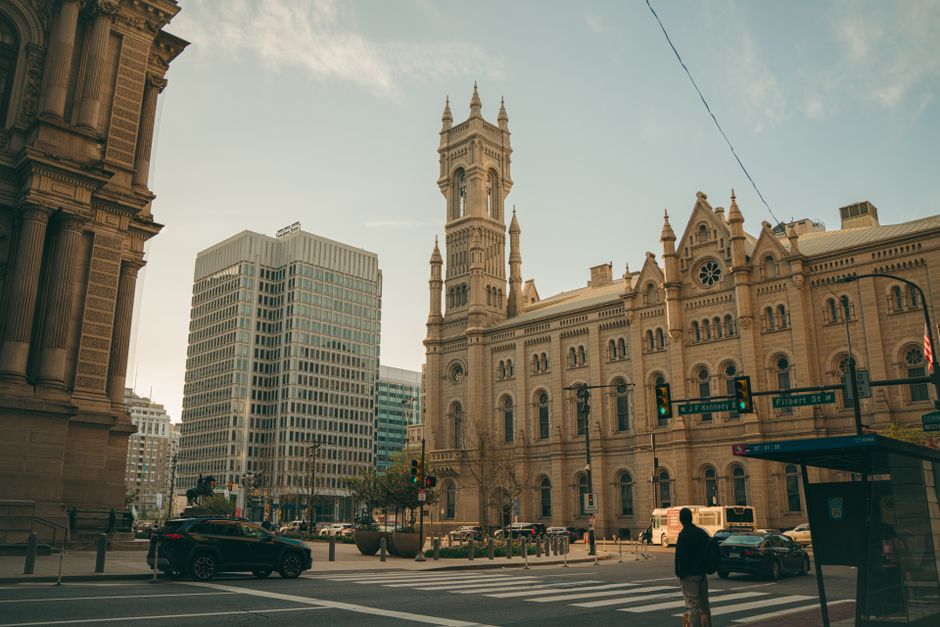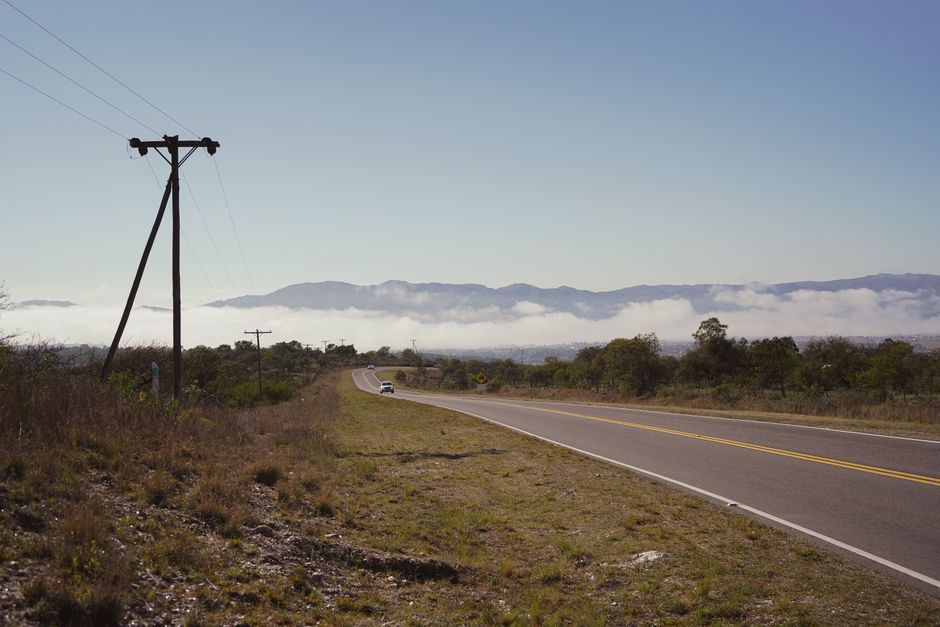
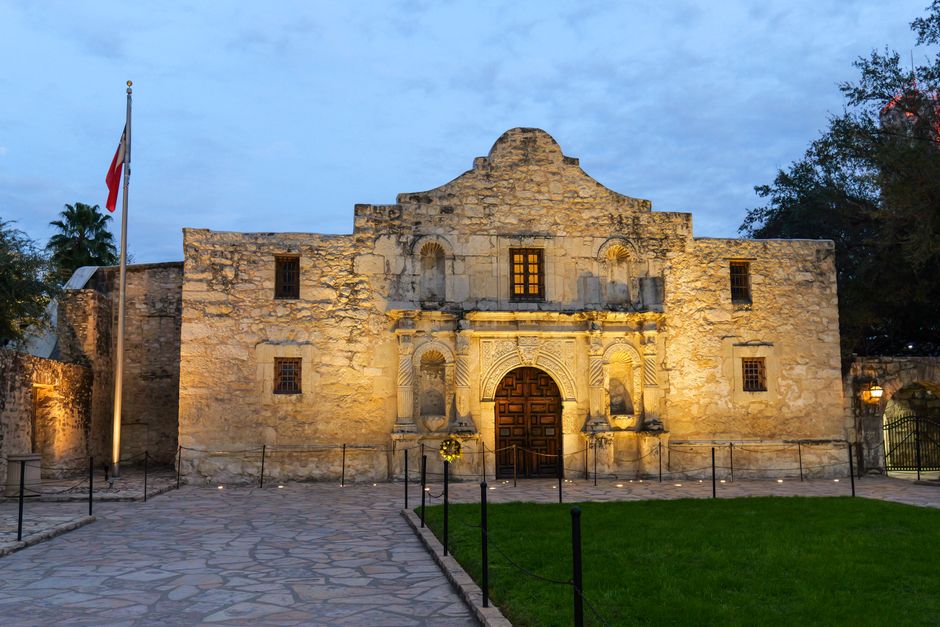
I rolled into San Antonio on a hot afternoon in October, spent two days doing the River Walk and the Alamo, and realized pretty quickly that the city makes a terrible mistake if you stay put the whole time. The Hill Country spreads out in every direction, small towns tucked into limestone valleys, rivers running cold year-round, and enough honky-tonks and antique shops to burn through a week. Every destination I hit was between 30 minutes and 90 minutes away—close enough to feel spontaneous, far enough to actually escape the heat and crowds of the downtown core.
Unlike a lot of travel guides, I'm not going to pretend these places are undiscovered. They're not. But they're genuinely worth the drive, and the trip structure itself—you pick one, go for the day, come back—beats staying in a hotel room pretending San Antonio's sprawl is charming.
Gruene: 35 Minutes, Dancing and River Swimming
Gruene is almost aggressively quaint, but it works. The town sits on a bend of the Guadalupe River, and the main street is basically one long strip of antique dealers, cafes, and saloons built into 19th-century limestone buildings. You can see the whole place on foot in an hour if you rush, or spend half a day wandering in and out of shops.
The real draw, though, is Gruene Hall, the oldest continuously operating honky-tonk dance hall in Texas. If you're there on a weekend when a band is playing, the place fills up with locals and tourists doing two-step to actual live music—not a recording, not a cover act pretending to be original, but someone's uncle with a guitar and a fiddle player who knows what they're doing. Shows run most Friday and Saturday nights; weekday entertainment varies. Go early or expect to stand. The beer is cold, the floor is sticky in exactly the right way, and nobody cares if you don't know the steps.
After dark, the river itself is worth a look if the temperature has stayed above 85 degrees. Swimming is possible but the water can be unpredictable depending on rain upstream, so check conditions before you drive out. The pull toward Gruene is simple: it's the closest thing to authentic Hill Country nightlife without pretense.
Wimberley: 1 Hour 15 Minutes, Tubing and Texas Quirk
Wimberley sits another 15 minutes beyond Gruene on the Blanco River, and the town has somehow managed to stay weird while still being full of tourists. The main plaza hosts a farmers market on Saturdays that's worth timing your trip around—local cheese makers, honey vendors, actual produce from actual farms, not just a pop-up craft fair. The galleries and vintage shops are better than Gruene's, less aggressively themed, and the Wimberley Pie Company does a decent job of justifying the calories.
Swan diving and tubing down the Blanco is the main activity. Outfitters line the main road; they'll send you down the river in an inner tube for a couple hours, and the water is usually cool enough that you'll actually want to be in it. Summer and early fall are the obvious seasons, but the river can be sketchy after heavy rain—high water, fast current, debris. Stick to outfitters with actual operators rather than the DIY approach. The paddling itself is lazy, you'll float past wildflowers and limestone bluffs, and there's a decent probability you'll see a turtle. It's not challenging, which is exactly the point.
The town also hosts the Wimberley Arts Festival twice a year (typically May and November) if you time it right, though the crowds spike considerably. October through April is quieter and the weather is perfect—68 to 78 degrees, no river current issues, and you can actually stay awake past 9 p.m. without sweating through your shirt.
Boerne: 45 Minutes, Limestone Cliffs and Small-Town Dining
Boerne is the Hill Country town that somehow stayed civilized. It's wealthy in a way that doesn't announce itself; the restaurants are legitimately good, the tap water tastes like something, and the main street has actual independent stores instead of franchises cycling through landlords.
Cascade Caverns is the main draw—a cave system about 10 minutes outside town that you can tour for about 30 bucks. It's not Carlsbad. It's small, the walkways are well-maintained, and a guide explains the geological history without treating you like you're seven. The cavern temperature stays around 68 degrees, which is genuinely refreshing if you're visiting in summer. The whole tour takes about 90 minutes. It's tourist infrastructure done right.
The town itself is best explored on foot. The Boerne Bakery makes decent pastries and coffee; several restaurants along Main Street do elevated Texas fare without the self-consciousness you'd find in Austin. Dario's Brasserie is solid if you want an actual dinner. The limestone architecture of the buildings is worth looking at, even if you're not the type to stop and photograph stonework. There's a river park if you want to walk and read a book. Boerne is the answer to the question: where do I go if I want to pretend I'm a normal person with a normal weekend? Best visited October through April, same as Wimberley. Summer heat is brutal even in the Hill Country.
New Braunfels: 1 Hour, Tubing and Rowdy Rafting
New Braunfels is where San Antonio goes to get loud. The Guadalupe River runs through town, and tubing culture here is less "peaceful float" and more "floating cooler full of beer with a body attached." The tubing outfitters line the river; the water is fast, cold, and frankly a little sketchy if you're not paying attention to the current.
The difference between Wimberley tubing and New Braunfels tubing is temperament. Wimberley is a leisurely Saturday afternoon. New Braunfels is where the college kids and bachelor parties go. The river itself is wider and faster here, the outfitters are used to managing crowds, and the whole operation feels more industrial. That's not a knock—it's just what you're getting. The season runs March through October, and summer weekends get packed to the point where you might spend as much time waiting to launch as floating.
If tubing isn't your speed, the town also has access to the Comal River, which has milder sections and is better for families or people who want to float without the current trying to kill them. There's also Schlitterbahn, a large water park, if you want a more conventional experience. The downtown area isn't particularly charming, but the river parks are well-maintained and the flow of the water makes the whole place feel cooler than it actually is. Visit in spring or fall if you can; summer is the obvious choice but it's crowded enough that you might find yourself shoulder-to-shoulder with strangers.
Seasonal Strategy and What Actually Works
Here's the honest version: Hill Country weather is brutal May through September. The heat is dry enough that you won't feel like you're drowning, but it's still in the 95-to-102 degree range, which changes your entire behavior. You move slower, you stay near water, and you stop caring about walking around and looking at things. Spring and fall are dramatically better. March through April and October through November are peak season—temperatures in the 70s and 80s, the rivers are passable, and you're actually capable of standing around outside without contempt for the sky.
Winter is surprisingly good if you don't mind cool mornings. January through February average in the 50s and 60s, the caves stay at constant temperature (which feels cold then, instead of refreshing), and the parks are basically empty. It's worth knowing that river levels can be unpredictable depending on rain upstream; it's worth checking current conditions before you drive somewhere planning to swim.
The drive times I've listed assume you're leaving from downtown San Antonio on a weekday afternoon with light traffic. Weekend mornings will be slower getting out of the city; evening returns will be slower getting back. Build an extra 20 minutes into your estimate on either end if you're commuting during peak hours.

What Not to Overthink
You don't need a detailed plan. Pick a town, drive there, find a place to eat lunch, walk around for an hour, decide if you want to tube or cave or just sit by the river. If you hate it, you're back in San Antonio in 90 minutes. Most people overthink these trips—they spend three days planning which restaurant to book, whether the timing is right, if they should spring for the premium cavern tour. Just go. The worst-case scenario is you spend five hours driving and eating mediocre food, and you've still had a better day than sitting in a hotel.
Bring water. Bring sunscreen. Wear shoes that are comfortable for walking. Download a map if your phone signal is questionable. That's it. The Hill Country is not complicated.