
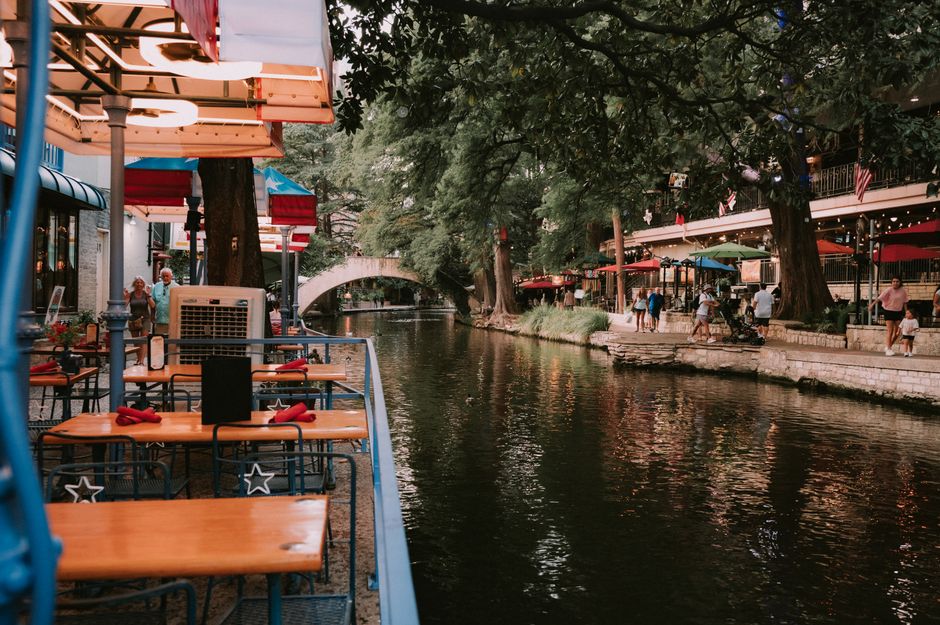
I landed in San Antonio on a Thursday afternoon expecting the usual tourist circuit: the Alamo, the River Walk, maybe a churro stand. But after an hour of elbowing through crowds on Commerce Street, I realized I was doing exactly what fifty thousand other people do every week. So I pocketed my map, put my phone on Do Not Disturb, and started walking.
Turns out if you're willing to wander six or seven blocks in any direction from downtown, San Antonio becomes a completely different city. Quieter. Stranger. The kind of place where locals actually live their lives instead of performing them for Instagram. What follows is what I found when I stopped trying to see everything and started actually seeing what was in front of me.
The Japanese Tea Garden Actually Makes Sense in November
Everyone knows this place exists—it's in guidebooks, on tourism websites. But nobody goes there. I suspect it's because most visitors hit San Antonio in summer when the thought of sitting in a Japanese garden sounds miserable. I went in late fall, and the place was nearly empty.
The garden sits at the back corner of Brackenridge Park, about a ten-minute walk from the main zoo entrance. You pay maybe five bucks to enter, and suddenly you're walking through this improbable oasis of stone lanterns, arched bridges, and water features that feel genuinely transported from somewhere else. The koi are fat and lazy. The paths wind back on themselves in ways that force you to slow down.
I sat on a bench for probably forty minutes watching the light change through the trees. A handful of other people drifted through like ghosts. One woman was sketching in a notebook. No one was talking loudly or taking selfies with the tea house. It's the kind of place that works best when it's nearly empty, which means you should go on a random weekday if you can.
Southtown Is Where the City Actually Thinks
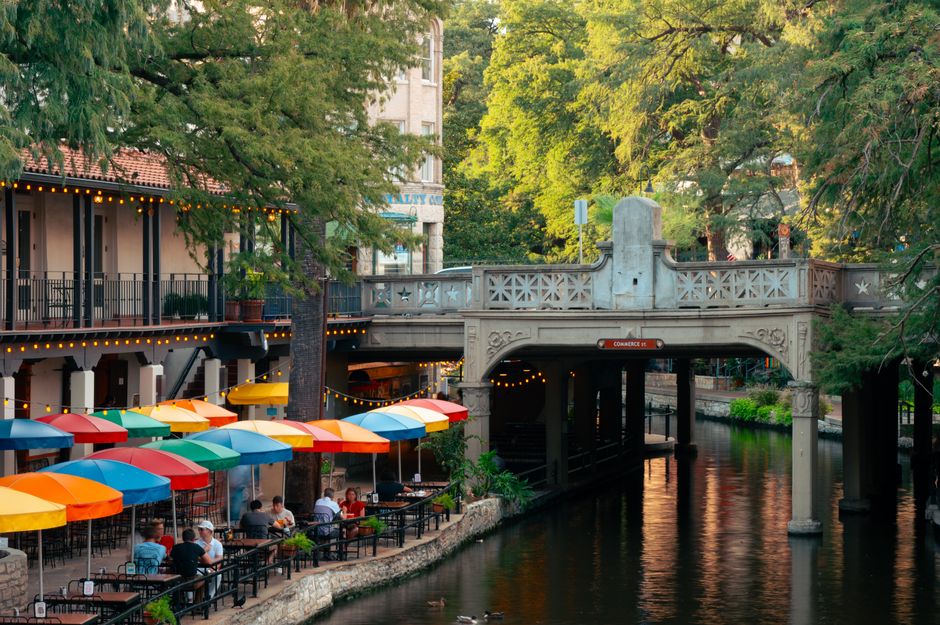
Head south from downtown along South Alamo Street and you'll hit Southtown, which is San Antonio's actual arts district. Not the curated, gallery-opening version of an arts district. The real thing—studio lofts, murals that don't look corporate-approved, small museums you've never heard of, restaurants where people who live here actually eat.
The Pearl District gets written about constantly. Southtown barely gets a mention. This is the neighborhood where you'll find galleries that change exhibitions monthly, vintage shops that feel like they were decorated by someone who actually has taste, and cafés where the coffee might be cold by the time you get it but nobody's charging eight dollars for the experience.
I spent a whole afternoon just walking the blocks between South Alamo and South St. Mary's. Stopped in the Blue Star Arts Complex, which is this converted feed mill turned artist collective. You can literally walk into studios and watch people work. Grabbed lunch at a place whose name I can't remember but whose breakfast tacos haunted me for three days. The vibe is low-key to the point of being almost suspicious—which is exactly why it's worth your time.
Government Canyon State Natural Area Is Where San Antonio Gets Weird
This park is maybe thirty minutes northwest of downtown, which means most tourists never find it. I took an Uber out there on a Sunday morning and felt immediately like I'd left the city.
It's a state park, so it's managed and maintained, but it doesn't feel like a manicured attraction. The trails wind through canyons lined with live oak and cypress. The rock formations look like something from a different geological era, which they basically are. I did the main loop trail and saw exactly two other people. Heard nothing but birds and wind.
The park has a small visitor center with actual helpful rangers and educational stuff about the canyon geology and local ecology. But the real draw is that you get to walk through actual landscape that hasn't been paved or developed. If San Antonio's river ecosystem fascinates you at all—and it's more interesting than most people realize—this is where you understand it. The park entrance has a parking fee, but it's reasonable, and there's something clarifying about paying to access a place where you're genuinely alone.
The McNay Art Museum Lets You Sit in Peace
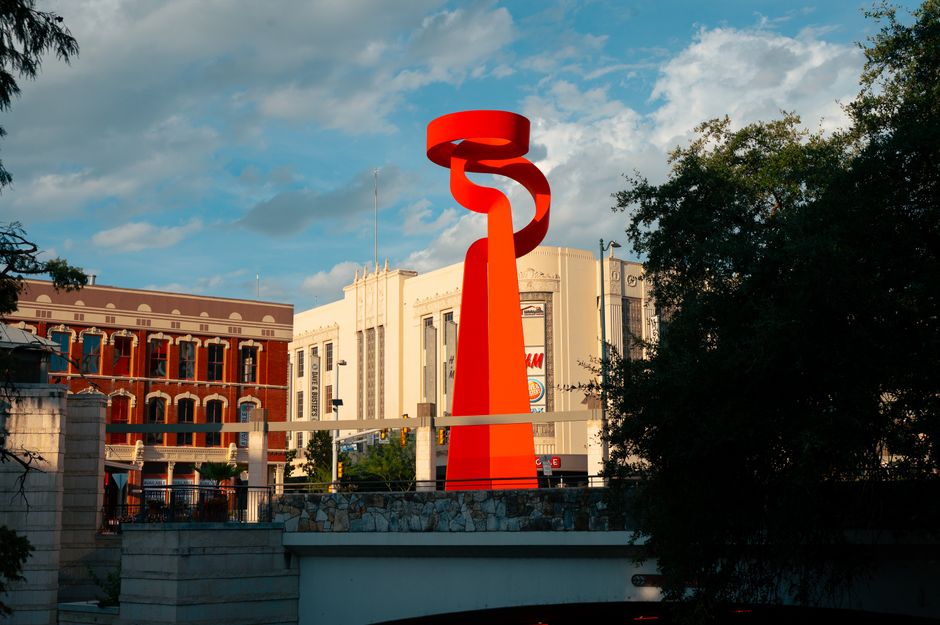
North of downtown, in a neighborhood most tourists never reach, there's this modern art museum in a converted mansion. The McNay is small enough that you can actually see everything without your feet hating you. The collection is thoughtfully curated—not overwhelming, not trying to be everything to everyone.
I went on a weekday afternoon and had entire galleries to myself. You can stand in front of a painting for five minutes without feeling rushed or self-conscious. The staff are actual art people, not customer-service workers reading a script. Someone told me about a particular piece without being asked because they genuinely wanted to talk about it.
The grounds are nice too. You can wander the property, sit under trees, look at the city from a slight distance. It's the kind of museum where you remember why you liked art in the first place, before it became just another thing to check off a list. The admission is reasonable, and it never feels crowded.
Dignowity Hill Has a Story Most People Don't Know
Head east from downtown toward the historic neighborhoods and you'll hit Dignowity Hill, which is one of San Antonio's oldest residential areas and one of the city's true cultural crossroads. The architecture alone is worth the walk—Victorian homes, shotgun houses, early twentieth-century structures packed densely together on hilly streets.
The neighborhood is genuinely mixed, genuinely lived-in. You'll see people on porches, hear music from open windows, pass community gardens. There's a small taquería where they make breakfast tacos the right way. There's a bookstore that somehow survives. There's actual life happening here, not performance.
The reason I mention this is that San Antonio has this interesting history of being multiple cities stacked on top of each other—colonial Spanish, frontier Texas, immigrant communities, modern development—and Dignowity Hill is one of the places where you can actually sense that layering. Walk the blocks. Look at the architectural details. Sit somewhere quiet and listen to the neighborhood.
The San Antonio Museum of Art Doesn't Require Your Entire Afternoon
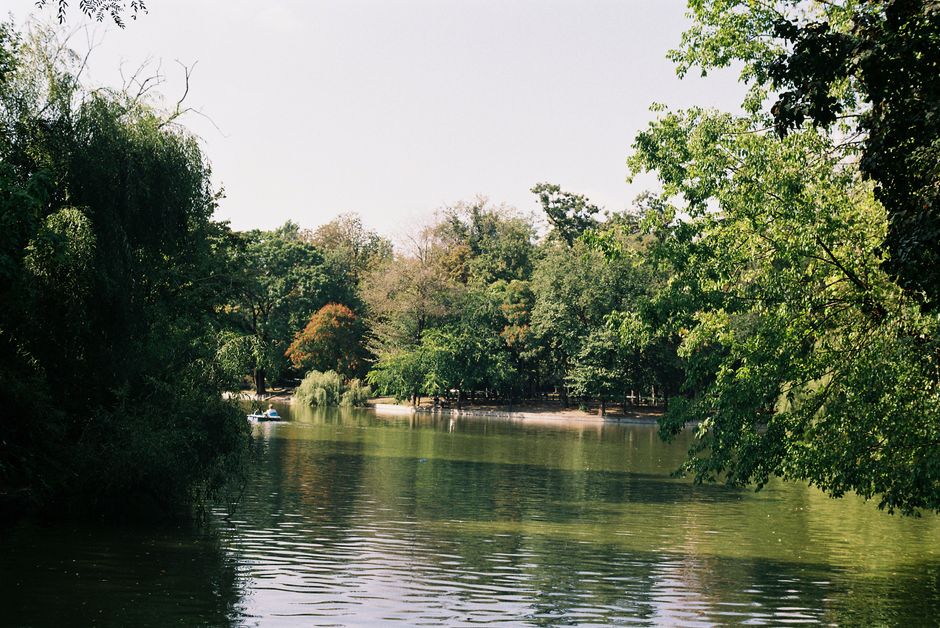
This museum, located on the edge of downtown near the park, is excellent but regularly gets overshadowed by bigger institutions in bigger cities. Which means the crowds are manageable and you can actually experience the collection thoughtfully.
The museum has strong sections on contemporary art, Latin American art, and Asian art. The building itself is worth seeing—it's in a renovated historic building complex that opens onto some nice grounds. You can see the permanent collection in two or three hours without rushing. There's a café where you can sit and think about what you saw.
I went on a rainy afternoon and saw maybe thirty other visitors across the entire building. Spent an hour in front of pieces that genuinely shifted something in how I was thinking about things. Walked out into the rain feeling like I'd actually done something instead of just consumed another tourist item.
Finding Your Own Route
The truth about San Antonio is that it's a layered city that reveals itself when you stop following the tourist infrastructure. The Alamo is historically important and worth seeing if you're genuinely interested in Texas history. The River Walk is what it is—a managed attraction that's fine if you accept what it is.
But the actual city lives elsewhere. In neighborhoods where people have lives. In parks where you can be quiet. In small museums where someone still cares about curation. In the way the light hits old architecture in the early morning.
If you've got time in San Antonio, use it to find your own spots. Walk streets that don't appear in guidebooks. Talk to people who actually live there. Eat somewhere without a marketing budget. The city will make a lot more sense, and you'll probably enjoy yourself more.


