
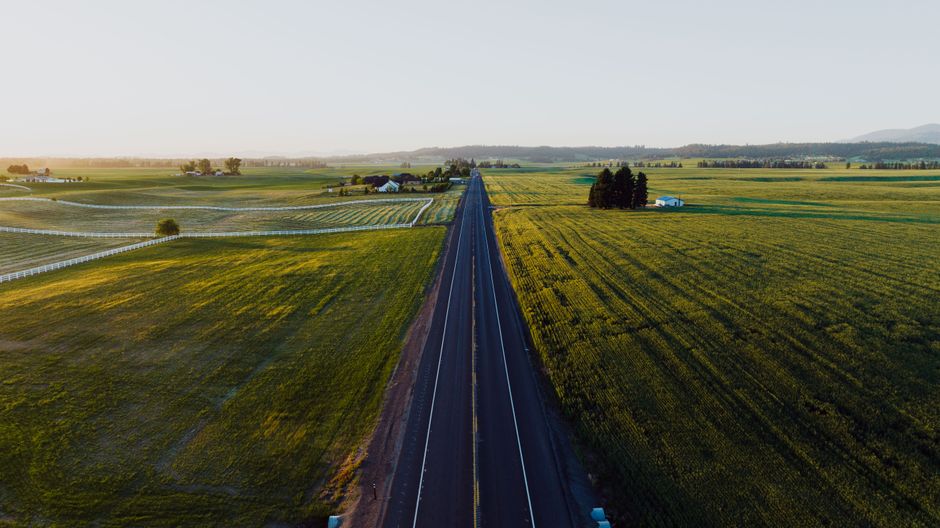
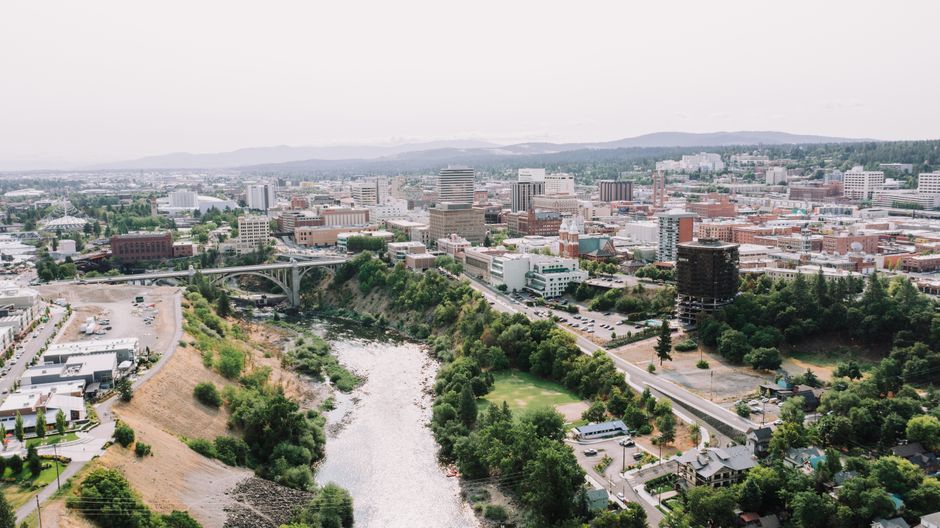
I've spent enough weekends parked at downtown Spokane coffee shops to know the itch. The city's got real bones—breweries, a decent riverfront, enough independent restaurants to keep you fed—but come Saturday afternoon, you're already thinking about getting out. The good news is you're surrounded. Within a ninety-minute radius there's alpine country, weird geology, lake towns that actually feel like somewhere, and enough seasonal activity to fill a month of weekends without repeating yourself.
Most of these drives are straightforward. You're not fighting Seattle-level traffic or mountain passes that close without warning. Pack layers, check weather, and go. The region shifts hard between seasons, so timing matters.
Coeur d'Alene, Idaho – 45 Minutes Southeast
Straight shot down I-90. It's the closest real destination from Spokane, and it works year-round, though summer and early fall are when it actually feels alive. The lake itself—long, narrow, ringed by pines—is genuinely pretty. People actually swim in it, take boats out, sit on the piers without irony.
The walk along the boardwalk is short enough that you can do it in an hour, but there's no reason to rush. Eat lunch at one of the waterfront spots. Summer weekends get crowded, so go early or pick a weekday if you can. In winter, it's quieter and the peaks around the lake show snow, which is fine if you like that. The downtown strip has antique shops and galleries if you need to fill time, but honestly, you're here for the water and the mountain views.
Bring cash or be ready for small-town dining prices. The Sunday drive back is relaxing, long enough to think but not so long that you're burnt out when you get home.
The Palouse Rolling Wheat Country – 90 Minutes to 2 Hours
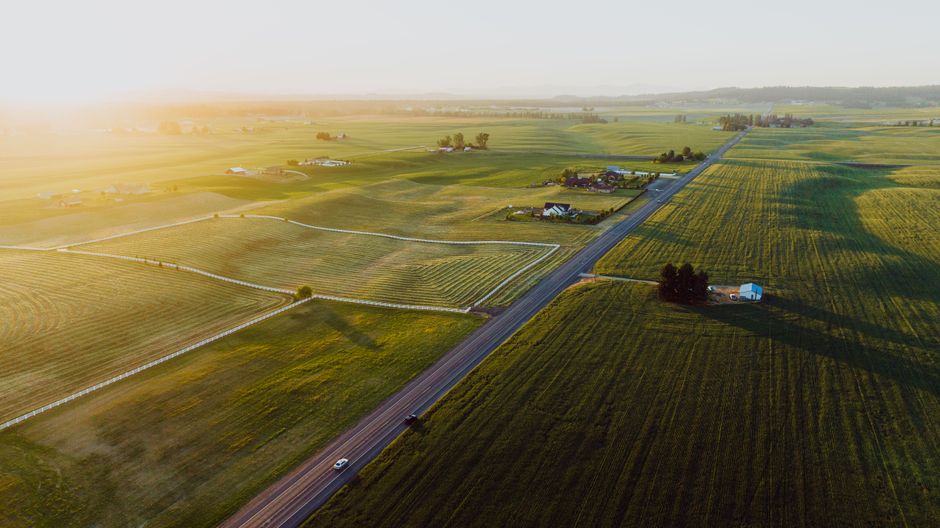
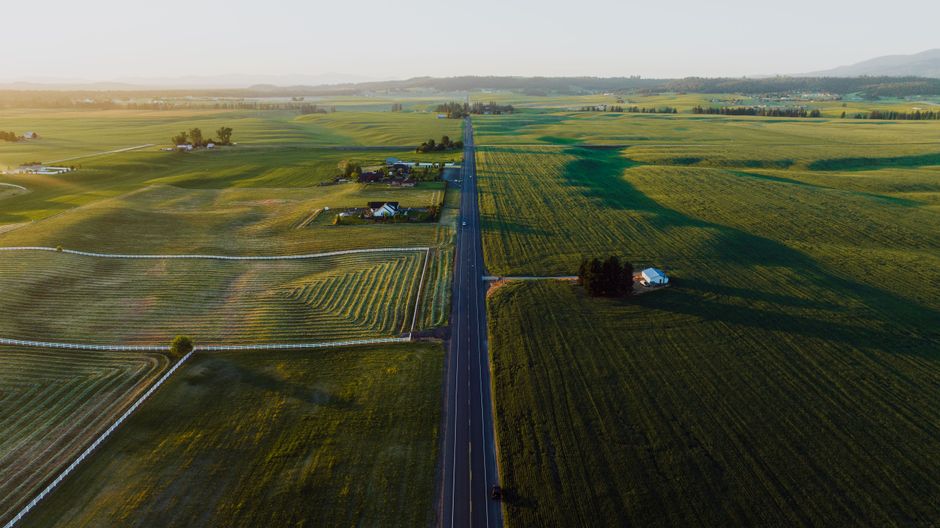
Head south toward Moscow, Idaho or Pullman, Washington. The drive itself is the thing—those swollen, treeless hills with wheat or winter wheat or fresh green depending on season. It looks like nothing until you're in it, and then it's hypnotic. Photographer types can spend a day just driving back roads and finding angles.
Moscow is the slightly more interesting stop. The University of Idaho campus is walkable, the Main Street has real shops and restaurants (not chains), and the Clearwater Valley feels remote even though you're only ninety minutes out. Pullman, across the state line in Washington, is similar but quieter. Both towns have decent coffee and the kind of local bookstores that actually have staff who read.
Go in late spring when everything's green, or early fall when the light gets golden and the heat breaks. Summer is hot and dusty. Winter wheat fields in their first weeks of growth have a strange, pale beauty, but the towns feel closed-in. You'll drive through small agricultural roads and realize how little of the Inland Northwest most people see. Bring your own snacks—the towns are small enough that Sunday dinner options get thin fast.
Priest Lake and Northern Idaho Panhandle – 2 to 2.5 Hours
This one's a longer haul, but it's worth it if you have a full day or overnight. You're heading northeast into real forest country. Priest Lake sits in a valley surrounded by thick pine and larch, and the water is cold and clear. It feels remote even though the drive is manageable.
The town of Priest River at the lake's edge is tiny—a couple of resorts, a general store, a public beach area. People camp here, rent cabins, fish. If you're not into those activities, the drive itself and a lake-side walk and a long lunch is enough. Summer is the season. July and August bring warmth and clear skies. Go in spring and you'll hit muddy roads and unpredictable weather. Fall can be crisp and beautiful, but the lake gets cold fast.
If you're serious, pack a cooler, bring a book, and treat it like a reset day. The quiet is real. Cell service drops in and out. You won't see a long list of Instagram moments, but you'll remember it.
Snoqualmie Pass and Central Cascade Gateway – 2 to 2.5 Hours West
Head west toward the Cascade crest and you hit a different climate. Snoqualmie Pass is the main highway crossing, but the area around it has hiking trails, alpine lakes, and waterfalls that hit different in summer. The drive itself crosses through forest and meadow, and the air changes—it's wetter, greener, colder at altitude.
Alpine Lakes Wilderness area sits just south of the pass. Trails like Snoqualmie Falls are crowded in peak summer but still worth it. The falls themselves drop 268 feet and the roar is real. Shorter walks around Mirror Lake or to Turquoise Lake take 3-4 hours roundtrip and get you into the meadow-and-snowfield zone. The wildflower bloom (mid-July into August) is worth timing for.
Winter closes a lot of this access, but spring snowmelt and summer clearing make the June-through-September window your target. Don't go expecting solitude on weekends—this is a popular Seattle-adjacent escape—but the terrain justifies it. Bring more water than you think you need, check avalanche conditions if you're going early season, and be honest about your fitness level. A bad ankle eight miles from the trailhead is a long day.
Grand Coulee and the Channeled Scablands – 90 Minutes to 2 Hours Northwest
This is the weird choice, and I'm recommending it because it's genuinely strange and most Spokane weekenders skip it. Grand Coulee is a massive canyon carved by ancient floods, and the landscape around it looks like the moon decided to grow sagebrush. The Visitor Center at Grand Coulee Dam explains the geology, but honestly, driving the rim roads and looking at the scarred basalt is the real experience.
Stop at the town of Coulee Dam for food and supplies. It's small and unremarkable except that it exists in this surreal geography. The Grand Coulee itself—seeing how wide and deep it cuts—puts the ice-age floods into perspective. Dry Falls, about forty-five minutes south near the town of Sun, is a waterfall that's dry now (the floods that made it are long gone) but the scale of where the water used to fall is staggering.
Go in spring or fall. Summer heat in the coulee country is real and there's no shade. Winter can be clear and cold and beautiful, but the towns basically shut down. This isn't a traditional pretty-hiking trip—it's geology and space and realizing that the landscape you drive through every day toward Seattle is shaped by events so enormous it's hard to hold them in your head.
What to Pack and When to Go
Most of these trips work year-round, but seasons matter. Spring (April-May) brings mud and unpredictable weather—snowmelt at higher elevations, warming at lower ones. Summer is obvious: full sun, warm days, crowded trailheads and small-town lodging. Go early on weekends or pick weekdays.
Fall (September-October) is underrated. Crowds drop, weather stays decent through September, and the light gets better. Larch trees in the higher elevations turn gold. Winter (November-March) is iffy. Lower elevations around Coeur d'Alene and the Palouse are usually fine; anything above 4,000 feet can get snowy and require chains. The Cascades close serious roads from November through May depending on snow.
Always pack layers, a water bottle, and snacks even if you think you're just doing a short drive. The region changes fast. Bring cash if you're heading to small towns—not everywhere has reliable card readers. Download offline maps if you're going into remote areas. Check road conditions before you leave, especially past September.
Frequently Asked Questions
What's the closest weekend getaway from Spokane?
Coeur d'Alene, Idaho is about 45 minutes south on I-90. The lake town has a boardwalk, lake views, and restaurants, making it an easy half-day or full-day trip. It's the quickest drive with real amenities and works year-round.
Where can I hike near Spokane for a day trip?
Snoqualmie Pass area (2-2.5 hours west) has alpine trails like Snoqualmie Falls and Mirror Lake with short to moderate hikes. Mount Spokane State Park is 45 minutes northeast and has easier forest and ridge trails. Summer and early fall are best for both.
What's a good day trip from Spokane in winter?
Coeur d'Alene works well in winter with cleared roads and fewer crowds. The Palouse wheat country is also accessible year-round. Higher elevations like Snoqualmie Pass can close or require chains after November, so stick to lower-elevation destinations if roads are icy.
How far is the Palouse from Spokane?
Moscow, Idaho and Pullman, Washington are 90 minutes to 2 hours south. The drive through the rolling wheat hills is the main attraction, but both towns have small main streets with cafes and shops. It's good for a full day or long afternoon trip, especially in spring or fall.
Which day trip would you take first?



One Comment