
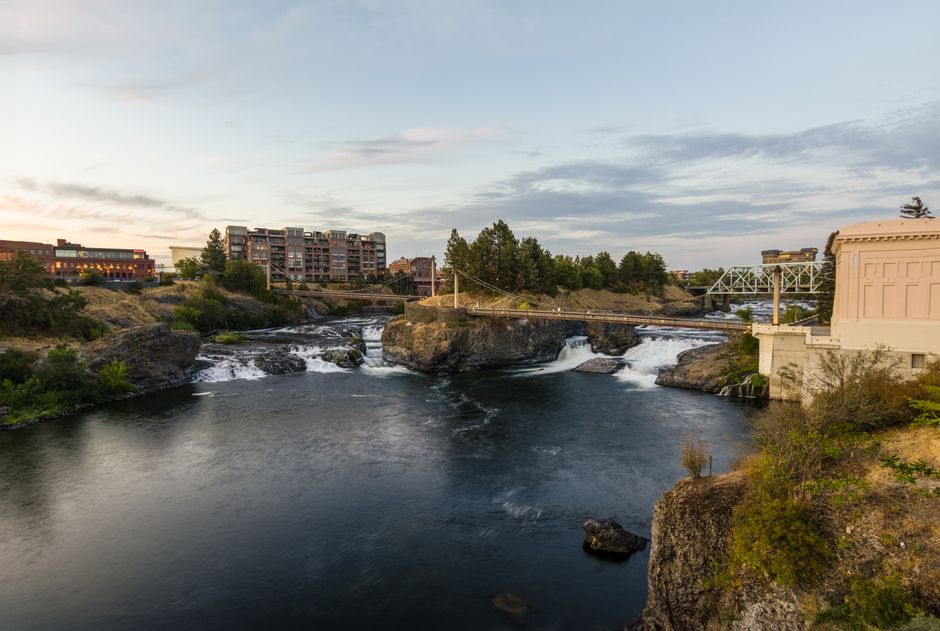
I rolled into Spokane on a gray Wednesday afternoon expecting a quick pass through—the kind of city people drive through on the way somewhere else. I'd heard about the Riverfront Park, sure, but after twenty minutes of watching families feed pigeons and tourists photograph the carousel, I needed to leave. So I did what I always do: I walked the opposite direction and got lost.
That's how I stumbled onto the real Spokane. Not the manicured downtown strips or the attractions that show up in every travel guide, but the neighborhoods where locals actually spend their free time. Over three days of wandering—eating at restaurants with no Instagram presence, sitting in parks I'd never heard of—I realized the city has a rhythm most visitors completely miss.
Manito Park and the Quiet South Side
Manito Park sits south of downtown in a neighborhood that feels deliberately removed from tourism. It's not small—the place sprawls across 90-some acres—but it doesn't announce itself loudly. I walked through on a Saturday morning and saw maybe a dozen other people, all of them local. Couples jogging, an older man with a camera photographing birds, kids playing in a field that felt genuinely removed from the city noise.
The park has multiple personalities. There's a Japanese garden section that doesn't require paid admission (unlike some parks that fence off every scenic corner for a ticket). There's a formal rose garden past its spring peak when I visited, but still interesting in its structure. What struck me most was the Duncan Garden on the property—a terraced, almost secret landscape design that you genuinely could miss if you weren't paying attention. I sat on a bench there for an hour with coffee I'd grabbed from a nearby shop.
What makes it work is that there's nothing performative about it. No admission booths, no curated experience, just paths and trees and the occasional family that lives nearby. It's the kind of place people go to actually be in a park, not to photograph themselves being in a park.
Cliff Drive and the Columbia River Gorge View
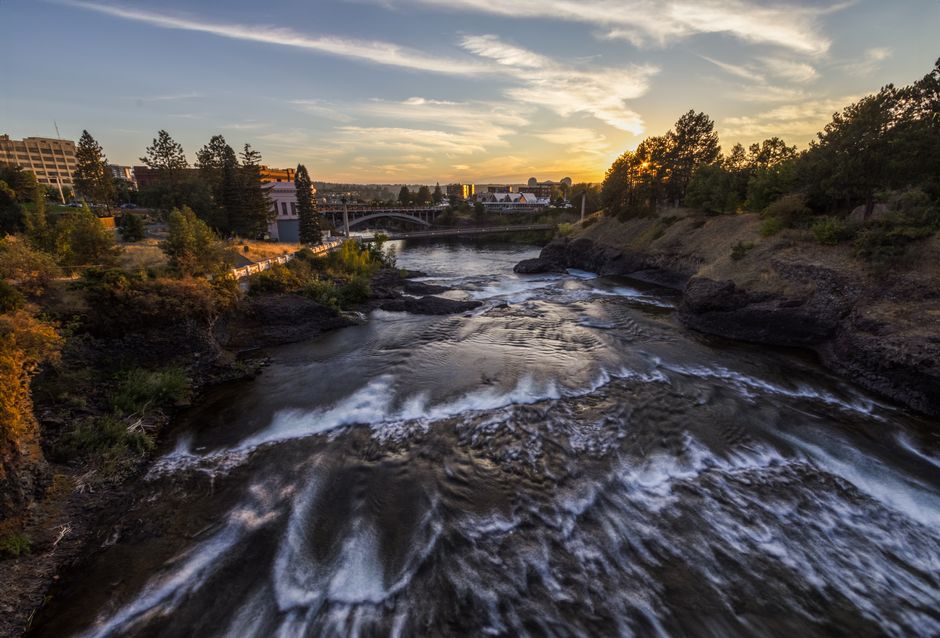
Cliff Drive is a six-mile route that runs along the eastern bluff above the Spokane River, and it's criminally underused. I drove it on my second day, mostly because I'd spotted it on a map while eating breakfast and had nothing else to do. The road itself is pleasant—tree-lined, winding, not busy—but the payoff is what you see when you get out and walk the pullouts.
There are viewpoints where the river opens up below you and you can see why early settlements clustered here. It's not a dramatic gorge like you'd get further west, but it's substantial. Quiet. I stopped at a couple of overlooks and sat in the car listening to the water. One pullout had picnic tables and a small parking area where a couple had set up with fishing gear. No crowds. No admission. No one I saw was taking selfies.
The drive connects to some trail systems if you want to actually hike, but even just the scenic drive itself beats sitting in traffic downtown. It's the kind of thing that probably made more sense before the Riverfront Park existed as the default attraction, but that's precisely why it's worth knowing about now.
The Gonzaga Area and Browne's Addition
Most visitors don't venture into the neighborhoods around Gonzaga University, which is their loss. The campus itself is handsome in that college-town way, but it's the surrounding blocks—specifically Browne's Addition—that have character. This is old Spokane, the residential area built up in the early 1900s with actual craftsman houses, not reproductions.
I walked around here on a Saturday afternoon and stopped into a few neighborhood shops and cafes that clearly didn't exist for tourist traffic. There's a real sense that this is where people live, work, and spend time, not where they perform being tourists. A small used bookstore, a vintage shop, a couple of cafes that seemed to be populated entirely by locals having actual conversations. I ate a sandwich at one and nobody photographed it.
If you're into architecture, the neighborhood is worth a walk-through just for that. But even if you're not, it's the kind of place that reminds you that cities are actually inhabited, not just consumed.

The Spokesman-Review Building and Downtown's Quieter Corners
Downtown Spokane has its moments, but most visitors gravitate toward the same three blocks. I wandered deliberately into the less-trafficked streets and found the Spokesman-Review building—this massive, beautiful art-deco newspaper office that's been there since the 1920s. You can look at the exterior and get a sense of when journalism and newspapers were physically important institutions in a city.
Near there are some quieter plazas and walkways that feel more like how a downtown actually functions, rather than how it's designed for tourism. There are office workers grabbing lunch, people walking between appointments, regular commerce. It sounds mundane, but it's grounding. A city isn't its best self when it's performing for visitors; it's at its real best when it's just functioning. I grabbed coffee from a coffee shop that was clearly not optimized for tourists and sat in a plaza that had actual foot traffic but wasn't packed.
I'd recommend wandering here in the morning or early afternoon, not during the evening when things get more curated. You'll see how the city actually lives.
Cataldo Mission and the Historic Side
Just outside the city proper, in Cataldo, sits the Mission of the Sacred Heart—a 19th-century landmark that most Spokane visitors never reach. I drove out on my final morning, about forty minutes northeast. The building itself is handsome and genuinely historic; it was established in 1848 and is one of the oldest standing church structures in the Pacific Northwest.
What I appreciated wasn't just the building but the experience. There were maybe three other people there the morning I visited. You can walk the grounds, go inside, and actually think about what a place like this meant in its era without fighting for space or dealing with tour groups. The setting is quiet and rural in a way that contrasts sharply with anything in the city proper.
I'm not particularly religious, but I found the stillness valuable. It's the kind of side trip that people skip because it's not listed in the major guidebooks, which means it hasn't been optimized into a tourist attraction yet. It's just a place that exists and has been there for a long time.
Where to Actually Eat When You're Tired of the Strip
This warrants its own section because the food question determines whether you'll actually enjoy yourself. The Riverfront and downtown core have the expected restaurants—competent, visible, not terrible, not memorable. But if you wander into residential neighborhoods, you find places that are clearly for people who live there.
I ate at a small Vietnamese place in a strip mall that was full of families during lunch. A taco cart on a corner that I found by accident. A breakfast spot near Browne's Addition that charged eight dollars for eggs and toast and did both extremely well. The common thread: no one was there for the experience of eating somewhere impressive. People were eating because the food was good and the service was quick.
This is deliberately vague because restaurant life changes, places close, new ones open. But the principle holds: walk a few blocks off the main drags and you'll find the places where locals eat. That's always where the best food is in any city.
Timing and Weather Reality
One thing nobody tells you about Spokane is that it can be genuinely gray and quiet. I caught a few clear afternoons, but mostly it was overcast, cool, a bit gloomy. This isn't a bug; it's part of why the city doesn't feel overrun. The weather doesn't encourage massive crowds. It encourages you to walk around in a jacket and actually pay attention to where you are.
I visited in late spring. I'm told summers are pleasant and winters are brutal. The shoulder seasons—spring and fall—seem to be the sweet spot where the weather is manageable and the city is operating at normal capacity, not slowed by snow or packed with summer tourists. Plan accordingly.


