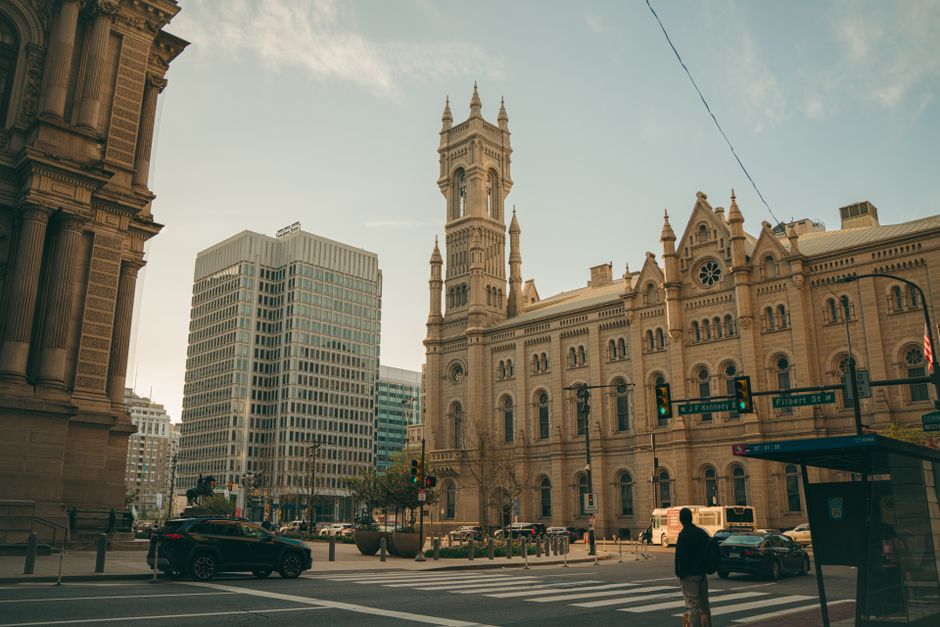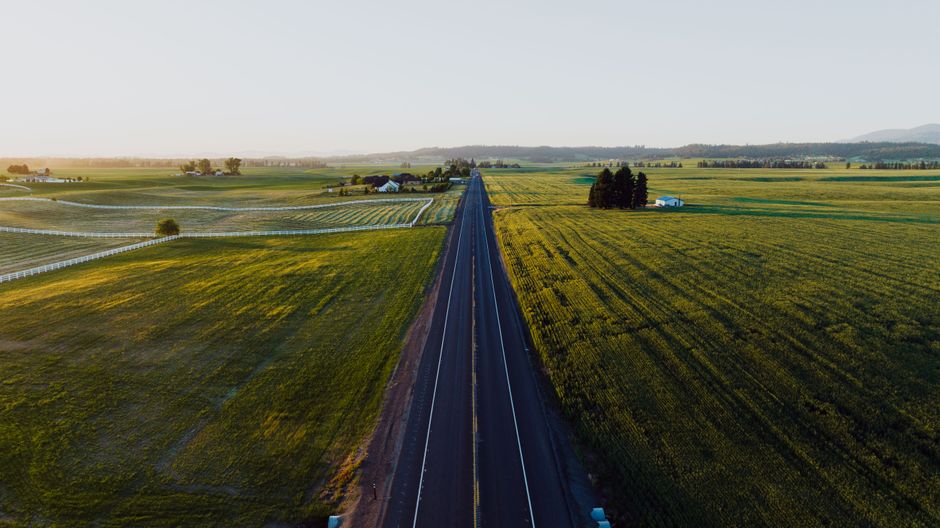
I rolled into Spokane on a gray afternoon in late spring, expecting a quiet regional hub. What I found instead was a genuinely useful jumping-off point for exploring the Pacific Northwest's less-crowded corners. The city itself has enough going on—decent breweries, a nice riverfront, some solid museums—but the real appeal became obvious once I started driving. Within an hour or two in almost any direction, you hit something worth your time: waterfalls, vineyards, mountains, ghost towns. This isn't a place where you're trapped in the city limits. The surrounding region is what makes Spokane worth using as a base.
Riverside State Park and the Spokane River
This one's barely 20 minutes north, which almost doesn't count as a day trip, but hear me out. Riverside State Park sprawls along the Spokane River and offers something most people miss when they're driving straight through the region: actual solitude. The Seven Mile Recreation Area has a paved trail that runs alongside the water—flat, scenic, and manageable if you're not trying to hike 15 miles.
What makes it worth the short drive is the combination of water, pines, and the almost total absence of crowds, even on weekends in summer. There's a reason locals use this more than out-of-towners. You can kayak, fish, picnic, or just walk around and actually hear yourself think. If you're visiting in fall, the cottonwoods along the river turn a shade of yellow that photographs too well. Spring is muddy but green. Summer is fine if you go early.
Priest Lake, Idaho (90 minutes)
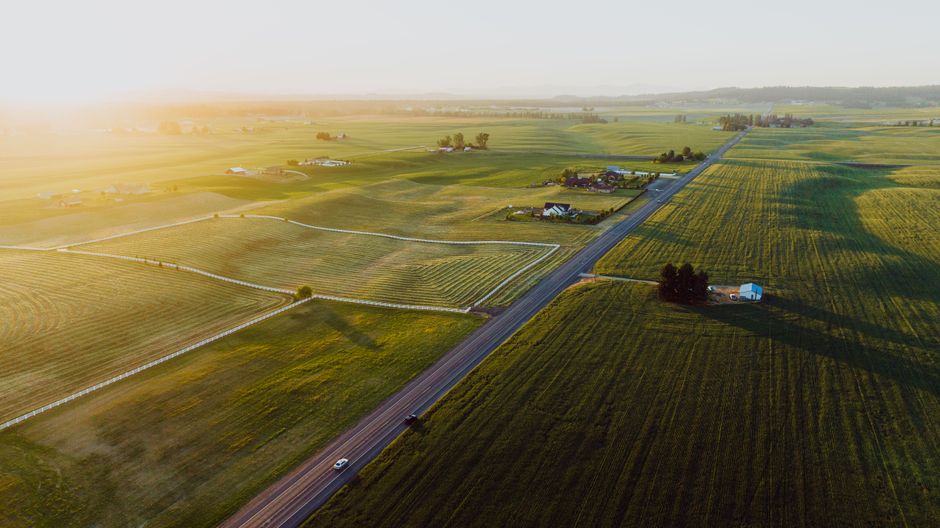
Drive east toward the Idaho panhandle and you'll hit Priest Lake, a genuinely pristine mountain lake that doesn't get the traffic of more famous alpine destinations. The drive alone—climbing through forests with glimpses of distant peaks—makes you feel like you've actually left something behind.
There's a public beach area near the town of Priest Lake (small, actual town) where you can swim if it's July or August. The water is cold even then. More worthwhile: there are several short trails in the area. Priest Lake State Park has a nature trail loop that's maybe 2 miles and shows you old-growth forest without requiring you to be a serious hiker. The town itself has a grocery store and a couple of casual restaurants if you need lunch. Best visited June through September—road conditions in winter are unpredictable. I went in early July and the crowds were minimal, the light stayed late, and the air felt genuinely different from the valley floor back in Spokane.
Palouse Falls and Steptoe Butte (75 minutes)
South and slightly east takes you into genuine wheat country, and Palouse Falls is the kind of waterfall that doesn't look like it should exist in the middle of rolling farmland. It's 198 feet of water dropping into a canyon that the Palouse River carved, and there's something almost confrontational about finding it out here, surrounded by grain fields.
The falls themselves are visible from a viewpoint area—you're not scrambling down a ravine. What people usually miss is Steptoe Butte, maybe 15 minutes away from the falls. It's a steep, treeless hill that rises 3,600 feet and gives you a 360-degree view of the Palouse region rolling out like rumpled fabric in every direction. The drive up is one lane of tight switchbacks. Park at the top and you're there. On a clear day you can see the Blue Mountains to the southeast. Go in spring (April-May) when everything is green, or late summer (August) when it's dry and you won't fight afternoon storms. Avoid winter—the road gets icy and closures are common.
Walla Walla Wine Country (55 minutes)
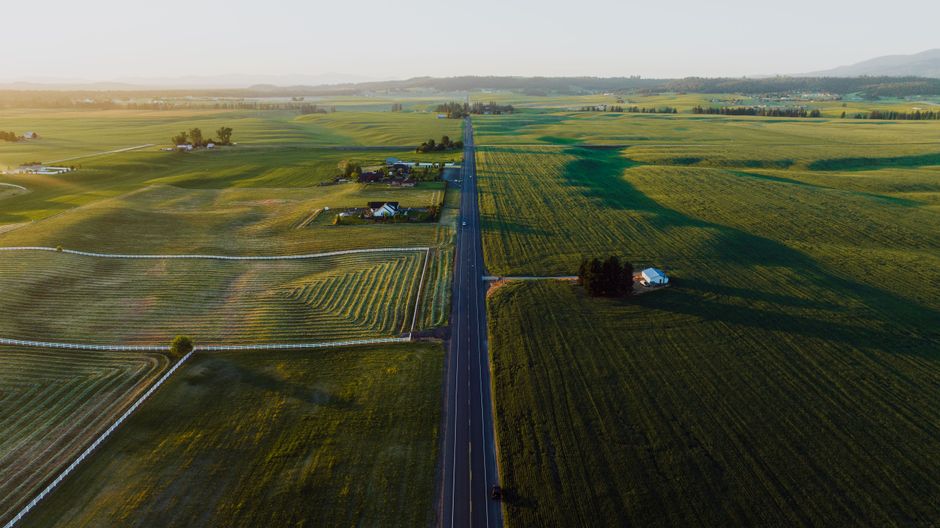
Wine tourism can feel manufactured, but the Walla Walla region southeast of Spokane has enough genuine character that it mostly avoids the worst of that. You're in actual farm country, not a commercialized wine village. Several wineries sit on working properties, and the area's been growing grapes long enough that it's not a novelty.
Lowden-Mueller State Park has a nice picnic area if you want to eat without sitting in a tasting room. Mark Ryan Winery, L'Ecole No. 41, and several others are open to the public without requiring reservations, though calling ahead is always smarter than showing up and hoping. The town of Walla Walla itself has decent restaurants and a walkable downtown. What I appreciated most was that visiting in May meant fewer crowds than summer brings and the countryside was still lush. The tasting experience here feels less scripted than in Napa or Willamette, probably because there's less total foot traffic. A note: plenty of local wines are actually good. It's not all overpriced stuff you're politely drinking to be social.
Snoqualmie Falls and the Cascades (2 hours)
This pushes the outer edge of a reasonable day trip, and you won't have huge amounts of time to linger, but Snoqualmie Falls is legitimately spectacular. The waterfall itself is 270 feet, surrounded by old-growth forest and Snoqualmie Falls Lodge (the Twin Peaks lodge), which adds a slightly surreal element to the experience. You can walk right up to a viewing platform and feel the mist, which sounds simple but lands differently when you're actually there.
If you want something less crowded and closer to Spokane, Tumwater Canyon—about 90 minutes away on the way west—has several waterfalls and hiking trails through the Cascades foothills that don't require elevation gain. The Snoqualmie option is worth the extra half-hour drive if you're visiting in spring (April-June) when water volume is highest. Summer is fine too, but the falls are more impressive when snowmelt is happening. Roads are clear and easy year-round on I-90.

Timing and Practical Notes
Early morning drives beat afternoon ones when you're committing 1-2.5 hours of driving time. You lose an hour at either end just getting there and back, so leaving Spokane by 7 or 8 a.m. means you're actually doing something by mid-morning, not rolling in as afternoon light gets weird.
Spokane traffic is light enough that getting out of the city is easy. I-90 east and west, Highway 395 north and south—none of it is congested in the way you experience leaving Seattle or Portland. Weather changes fast in this region. Even in summer, bring a layer. Afternoon thunderstorms are common in the mountains; they usually clear quickly but you notice them. Gas is cheaper in Spokane than you'll find most places, so fill up before longer drives. Cell service is spotty once you get into rural areas, so download offline maps if your phone's your navigation. Most of these destinations have free or low-cost parking. If you're planning multiple day trips during a visit, hit the farther ones first when you're fresher.