
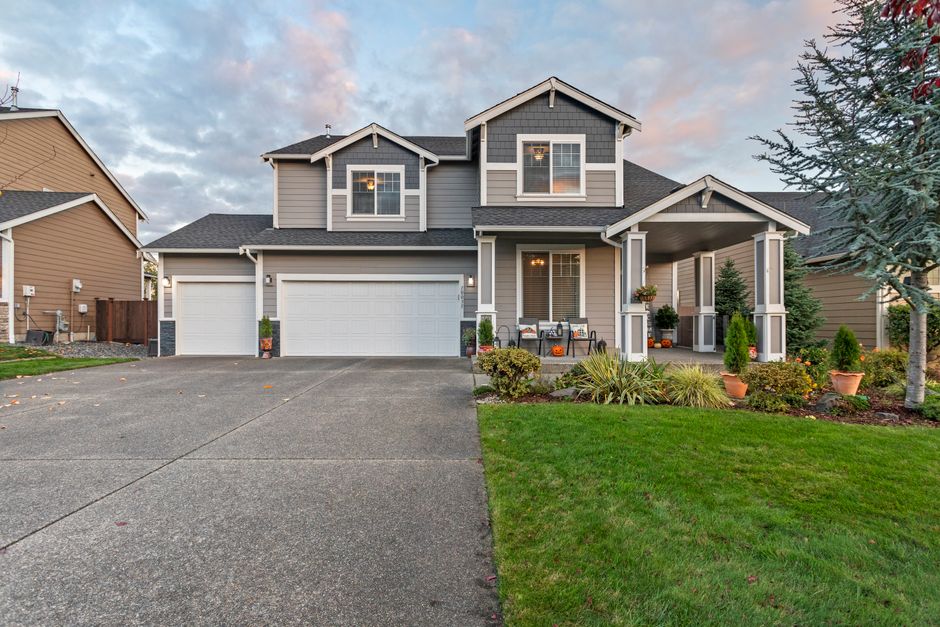
I arrived in Spokane on a October afternoon expecting the kind of place you pass through on the way to somewhere else. Instead, I found myself wandering unfamiliar blocks, surprised by how much character was tucked into this eastern Washington city. The neighborhoods here aren't cookie-cutter suburbs or generic downtown zones—they've got actual bones, actual personalities. Some are still finding their footing after years of decline; others have already become magnets for young people priced out of Seattle. A few cater entirely to the retiree set. Spend a few days moving between them and you start to understand why people choose to stay.
The city sits in a rain shadow east of the Cascades, which means sunshine is abundant and winters are legitimately cold. That geography shapes where people want to live and how different neighborhoods have evolved. You've got your revitalized urban core, your tree-lined old-money streets, your emerging artist zones, and your practical family neighborhoods with good schools and parks. The question isn't really whether Spokane has options—it's which one fits your actual life.
Downtown and the River District
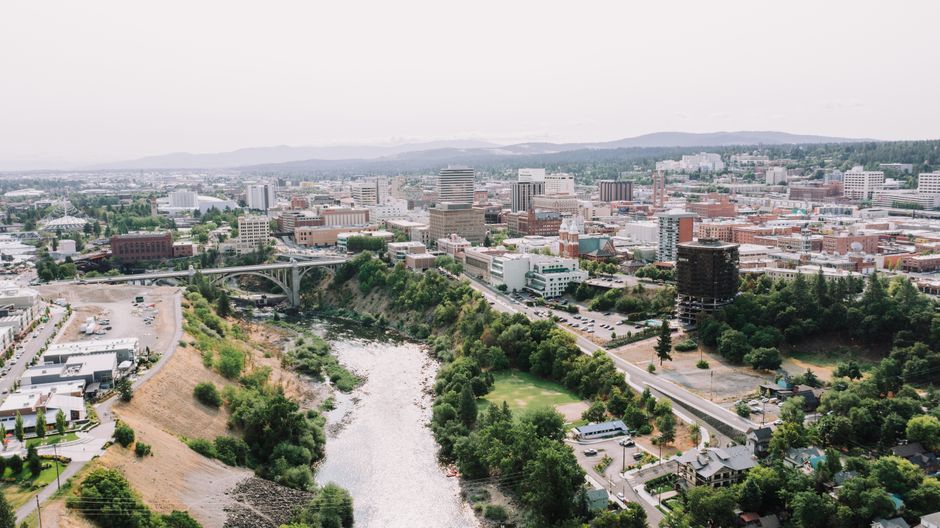
This is the neighborhood trying hardest to become something it isn't quite yet—and that's part of what makes it interesting. The Riverfront Park redevelopment has been driving foot traffic for years now, and a genuine dining and gallery scene has sprouted around Riverside Avenue. You'll see young professionals walking between breweries on a Friday night, families at the carousel, retirees on managed walking paths. The Gonzaga University campus bleeds into the northern edge, so there's a college-town energy that doesn't entirely disappear in summer.
Walking around here, you notice the bones of an old regional downtown—art deco buildings, the restored clock tower, wide streets that feel like they once hosted something grand. Some blocks are genuinely polished now. Others still show their age, or are in that awkward phase of renovation scaffolding and boarded windows. If you're visiting and want to be close to restaurants, entertainment venues, and the park, you can stay or rent in one of the newer developments. The energy is real, though it's worth acknowledging this isn't yet a neighborhood where everyone feels comfortable after dark—improving, but not there yet. Good for: tourists, young professionals who want walkability and nightlife, anyone who thrives on urban energy despite rough edges.

Browne's Addition
This is old Spokane made new again, and it's become the unofficial headquarters of anyone under 40 who can afford a down payment or negotiate a lease. Tree-lined residential streets, vintage houses that range from lovingly restored to still-being-gutted, independent coffee shops, a used bookstore worth your time, a small farmer's market that actually functions year-round. You can walk to restaurants, galleries, and bars. The neighborhood association is weirdly engaged—that matters more than it sounds.
The character here is almost aggressively Pacific Northwest: vintage bikes locked to racks, people discussing local politics at the farmer's market, a specific uniform of flannel and outdoor apparel that most people actually wear for outdoor reasons. It's not pretentious so much as it is self-aware. Housing costs have climbed sharply in the last five years, which is why you're starting to see young families mixed in with the earlier-arriving artists and nonprofit workers. A few blocks east toward Gonzaga University get progressively more studenty. The neighborhood has adequate street parking but a car isn't required for normal life, which is unusual in Spokane. Good for: young professionals, creative types, anyone wanting urban walkability without downtown density, couples in their 30s and 40s.
South Hill
If Browne's Addition is where young Spokane wants to be seen, South Hill is where established Spokane has lived for a century. Grand older homes on substantial lots, tree coverage so thick it's almost cathedral-like in places, good schools that actually function at a high level, parks and a golf course and a country club if you're into that. The neighborhood rises in actual elevation toward the south, which gives it a removed, set-apart feeling from the rest of the city. Driveways are long. Neighbors don't necessarily know each other's business.
This is the neighborhood you move to when you're thinking about staying indefinitely, when kids or the idea of kids factors into your decision. It's not particularly walkable unless you enjoy steep hill walking, and you'll definitely need a car. The business district along Southside Avenue has the feeling of a prosperous small town within the larger city—good restaurants that have been there for decades, banks, hardware stores, the kind of place where business owners remember your name. Housing prices reflect the desirability; it's the most expensive neighborhood we're covering. The further south you go, the more it gives way to less-dense residential areas and eventually the beginnings of actual countryside. Good for: families with school-age children, retirees with established roots, anyone seeking stability and proven school performance.
Garland District
Northeast of downtown, Garland is the neighborhood that doesn't get written about much in travel guides, which might be exactly why you should check it out. It's residential without being quiet, has actual local commerce without being a destination unto itself, and offers a genuine look at how regular Spokane people live. There's an old movie theater that sometimes hosts live music, a grocery co-op, antique shops mixed between standard retail, parks with basketball courts and tennis facilities. The neighborhood anchors itself around Garland Avenue, a strip that's genuinely used by locals.
Housing is more affordable than Browne's Addition or South Hill, which has started attracting younger renters who want neighborhood character but can't quite swing the down payment on the west side. You can walk to most necessities. Cars are still genuinely useful. The demographic is genuinely mixed—older homeowners who've been here thirty years, young families moving up from starter apartments, people building genuine community. It lacks the self-conscious trendiness of Browne's or the prestige of South Hill, which makes it feel almost more honest. Good for: budget-conscious newcomers, anyone wanting a walkable neighborhood without the premium price tag, families with kids, people who want to actually know their neighbors.
Mañana District and Liberty Park
West of downtown, this neighborhood occupies an interesting position—far enough from the urban core to feel genuinely residential, close enough that walkability isn't completely laughable. It's primarily a working and middle-class neighborhood with a significant Latino population, which shows itself in the local business mix, restaurants, and cultural energy. You see actual intergenerational families here, people with deep roots, community gardens, churches functioning as actual civic centers. The neighborhood was historically overlooked by the same revitalization efforts that transformed downtown and Browne's, which means it remained genuinely affordable and kept its actual character.
Liberty Park sits at the neighborhood's heart and functions as a real gathering space, not just a pretty one for Instagram. The schools here are solid and increasingly diverse. Housing stock is older, more modest, and significantly cheaper than most alternatives we've covered. You absolutely need a car. There's a certain grittiness here that some people find appealing and others actively avoid—the neighborhood doesn't feel sanitized or optimized for outsiders. It's a place people actually live, not a neighborhood optimized for people who visit. Good for: families seeking affordable housing and strong community, anyone comfortable in genuinely diverse neighborhoods, people who don't need walkable nightlife.
Spokane Valley (Worth a Day Trip)
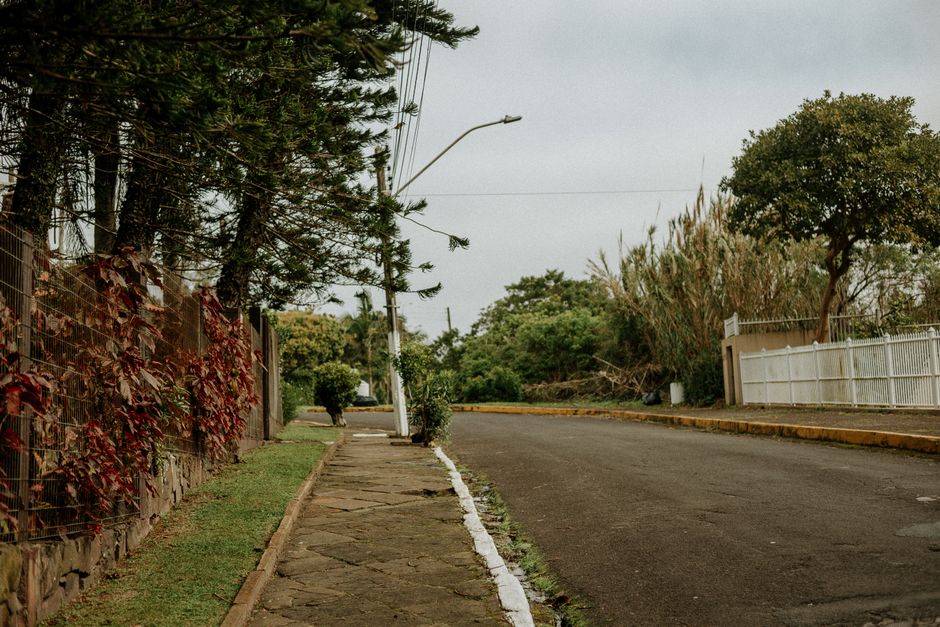
If you're spending extended time in the Spokane area and considering whether to base yourself outside the city proper, understand that the Valley—the suburban region east and northeast of downtown—functions as a different animal entirely. It's where much of Spokane's newer construction happens, where chain restaurants cluster, where people go to shop and then leave. It's also, pragmatically, where several significant employers have relocated and where housing costs are somewhat lower for new construction.
The Valley has its own suburban logic. Neighborhoods are generally planned communities with similar aesthetic standards, good parks funded by HOA fees, minimal walkability, maximum car dependency. Schools are competent. It's safe in the way suburbs are safe—visible police presence, neighborhood watch, low exciting incidents. If you're moving for a job in the Valley and want to minimize commute, some people genuinely prefer living here to driving back to the city every day. But there's nothing distinctive about it, nothing you wouldn't find in similar suburbs around any mid-size city. Good for: families prioritizing schools and safety, anyone working in the Valley itself, people who actively prefer suburban planning, people accustomed to that type of living.
Practical Information for Choosing a Neighborhood
Start with what you actually need. If you want walkability and don't have a car, Browne's Addition and downtown work, though with caveats about downtown's ongoing revitalization. If you're moving with a family and school performance matters, South Hill isn't optional. If you're budget-conscious and need genuine community, Garland and the Mañana District offer real value. If you're just visiting and want to feel the city's energy, split your time between downtown and Browne's, then spend an afternoon in a residential neighborhood to understand how people actually live here.
Housing in Spokane is experiencing upward pressure but hasn't reached Seattle levels—you can still rent a decent one-bedroom apartment downtown for less than a major city charges. The rental market moves, and landlords are often locals with functioning standards. Summer is peak tourist season, so spring or fall offers better neighborhood walking without overwhelming crowds. The winters are cold and sunny, which changes how neighborhoods feel—South Hill's trees get snow-laden and beautiful, downtown's wide streets feel emptier, Browne's Addition's older buildings show their bones. Come for a few days if you possibly can before committing to a move. The neighborhood that looks best on a website might not match how you actually want to live.


