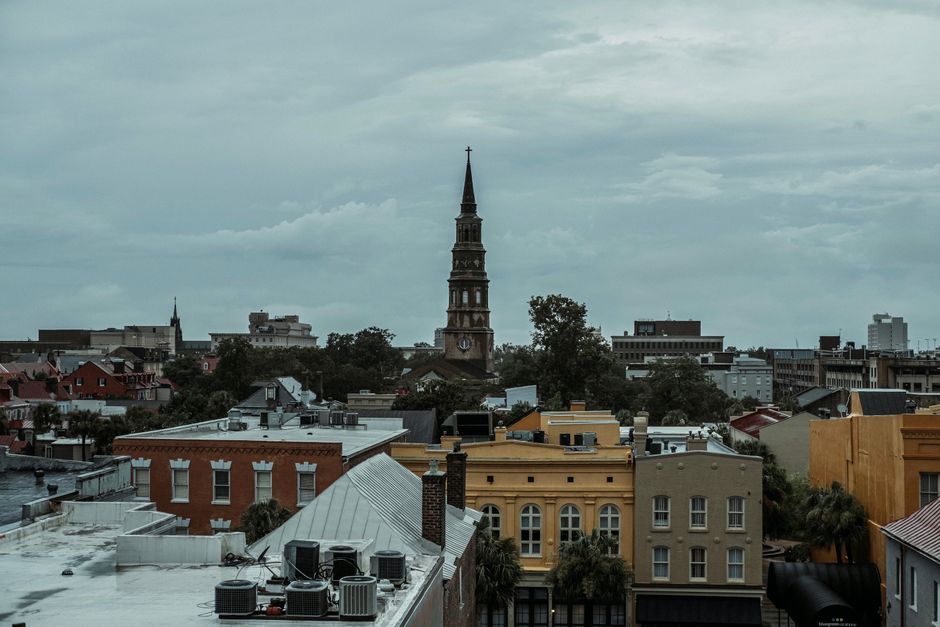
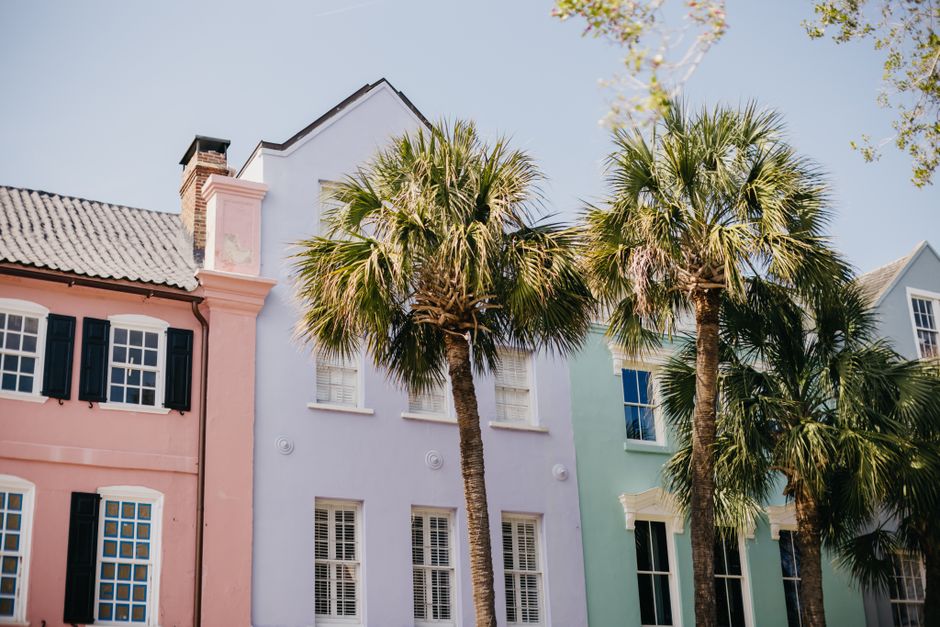
I arrived in Charleston on a humid morning in late April, the kind of heat that announces itself before you step off the plane. Walking through downtown, past the rainbow row of pastel mansions and the smell of salt from the harbor, I immediately understood why people either can't wait to move here or can't leave once they do.
But Charleston isn't just one flavor. The neighborhoods here each have their own rhythm, their own crowd, their own reason to exist. Spend a few weeks like I did, moving between them, and you start seeing the city not as a postcard destination but as a functioning place where real decisions get made about where to live. That matters whether you're scouting for a vacation rental or signing a lease.
Downtown and the Historic District
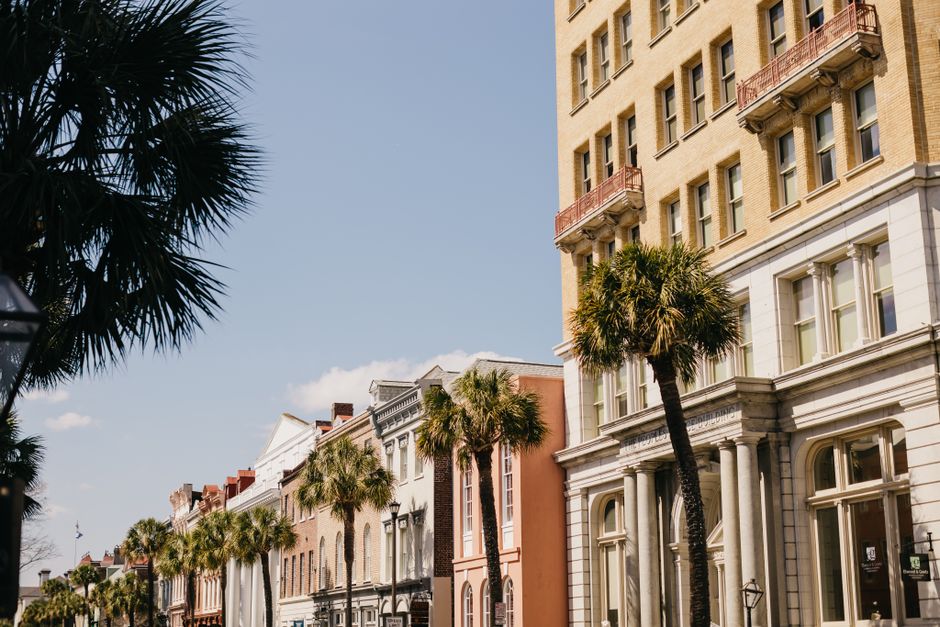
This is the old money, the tourists, the restaurants, and the cobblestones. King Street and its immediate surroundings are where most first-time visitors end up, and there's a reason: you can walk to Fort Sumter tours, the slave history museums, galleries, and enough restaurants to eat somewhere different every night for a month.
Downtown works best if you want maximum walkability and don't mind a crowd. Yes, it's expensive. Yes, it gets mobbed during season—spring and fall especially. But if you're here for a long weekend and you don't want to rent a car, or if you're the type who actually enjoys poking into tourist attractions, staying around Queen Street or Water Street puts you in the center of gravity.
For residents, the historic district caters to people who value proximity over peace and quiet. Empty nesters, young couples without kids, business owners. The living is not cheap, and you're perpetually aware you're in a managed historic district—you can't just paint your shutters any color you want. But the walk score is exceptional, and you're never far from a restaurant or a museum opening.
Charleston's Eastside: Wagener Terrace and Composition
Cross east of King Street and things change fast. Wagener Terrace is where younger professionals, artists, and families priced out of downtown have been settling for the last decade. It's got a legitimately creative feel without trying too hard to advertise it.
The neighborhood centers on narrow tree-lined streets, actual grocery stores you'd use daily rather than specialty markets, and a cluster of restaurants that got there because people who lived here wanted them, not because tourists could find them on TripAdvisor. Leon's Oyster Shop, Martha Lou's Kitchen, JB's Smokeshack—these aren't theme restaurants; they're places that existed before the neighborhood became a thing and that people actually frequent.
It suits people who want a neighborhood with character but don't want to play house in a museum. You can get a decent apartment here for less than downtown, though it's been climbing. There's a real community feel—the kind where neighbors actually know each other. Families with kids land here regularly because schools are solid and you've got parks nearby without sacrificing access to the peninsula. This is probably the safest bet for a traveling professional considering a longer stay.
Upper King and the Avenues
Further north, Upper King (above Calhoun Street) is younger and more mixed-use than downtown. It's where a lot of the independent retailers and mid-range restaurants have migrated when downtown landlords raised rents beyond reason. Callie's Hot Little Biscuit, Leon's Oyster Shop outpost, various coffee roasters—the energy here feels like people are actually building something rather than managing tourism.
The neighborhoods around here blur together—The Avenues (east of King), Belmond (further north), and what locals call the Mid-City area. These blocks are more residential than the King Street corridor, quieter, less manicured. You'll see Airbnbs and vacation rentals here too, usually cheaper than downtown, and the walk to attractions or restaurants takes ten minutes instead of two.
It's good for visitors who want to be in the city but not overwhelmed by it. For residents, Upper King and the Avenues attract young families, couples establishing careers, and anyone who finds downtown exhausting. Schools are decent, the food is genuinely good, and rent won't destroy your finances—at least not yet. There's a neighborhood bar culture here (Bowens Island, Leon's, Nico Oyster Bar) that actually includes locals instead of just tourists trying to feel like locals.

South of Broad
If you've got the money and you want the historical pedigree, South of Broad is the neighborhood—literally south of Broad Street. This is arguably the most expensive, the most preserved, the most "old Charleston." The homes are extraordinary, many with deep piazzas and courtyard gardens. It's where people retire who've already made their money, where generational wealth is obvious in the maintenance of things.
For visitors, it works as a walking neighborhood—quieter than downtown but still close to everything. Battery Park is here, and the views of the harbor from the waterfront are actually stunning if you're not jaded about those things. But you're paying for the privilege, and there's a formality to it that some people find appealing and others find stifling.
As a place to live, it's aspirational for some, suffocating for others. There's not much casual about it. If you want your neighbors to be retired bankers and the families who've owned waterfront property since the 1800s, this is your place. If you want a neighborhood bar where the bartender knows your name after the second visit, look elsewhere.
James Island and the Westside
West of the peninsula, across the bridges, James Island used to be considered "off the island," which told you everything. Now it's where working families, younger people buying their first homes, and anyone interested in more space and less tourism end up. It's more spread out, more car-dependent, less architecturally precious.
Rain on Main, Crosby Fish Company, a cluster of breweries—there's an emerging food and bar scene here without the studied quality of downtown or upper King. Places exist because people who live nearby want them, not because they're designed for an Instagram feed. You've got actual neighborhoods with names like Folly Beach Road area, crosstown developments, places that feel like towns that exist in their own right.
For tourists, it's less appealing unless you want to stay near Folly Beach (which is technically here) or you're specifically interested in the less-curated side of Charleston. For new residents, especially families with kids and people on tighter budgets, it's realistic. Schools here are a mixed bag—you need to research specific zones. But rent and property prices are meaningfully lower than the peninsula, and you get space. You drive to dinner instead of walking, which changes the rhythm of living, but that's not necessarily a downside depending on your temperament.
Folly Beach Proper
If you're the type of visitor who wants beach culture, bars, younger crowds, and less history-museum atmosphere, Folly Beach is a different animal from Charleston proper. It's a beach town that happens to be attached to Charleston. Pier, seafood restaurants, rental cottage atmosphere, families with young kids, college kids on weekends, laid-back vibes that wouldn't survive thirty minutes in the historic district.
It's not particularly quiet or upscale. It's crowded in summer. Parking is a nightmare. But if you're here for casual fun and you want to be near the water in a way that Charleston proper—surrounded by water but manicured—doesn't deliver, this is it.
For residents, Folly attracts people who specifically want beach life and don't mind the trade-off of being a tourist area. It skews younger, more transient. Real estate here has appreciated significantly, and it's becoming less affordable for people actually working beach-town jobs. But if you can swing it, you're waking up near the water and you're not spending your evening in a museum-quality historic home.
Making the Choice
Charleston's neighborhoods aren't mysteries—they're different expressions of what people want from living in a place. The historic district and South of Broad are beautiful and expensive and managed. Wagener Terrace and Upper King feel like actual neighborhoods where people chose to be because they wanted the community, not because the zip code was on a list. James Island and the westside are practical.
If you're visiting for a few days, pick downtown or Upper King for convenience. If you're house-hunting or thinking about a longer stay, spend a few afternoons in each of these places during non-peak hours. Eat breakfast, grab coffee, sit on a stoop. You'll figure out who you are in Charleston a lot faster than from reading about it.