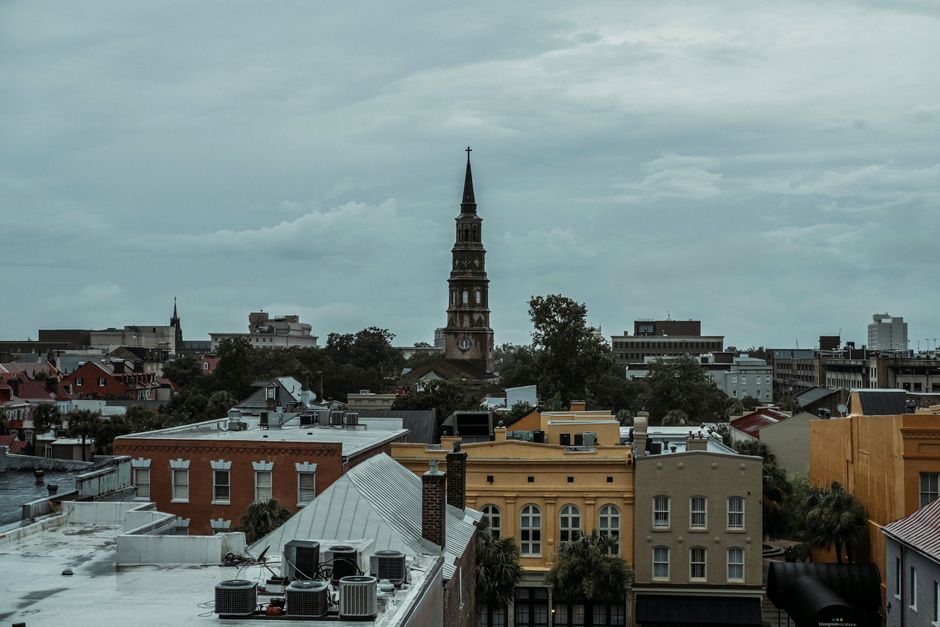
I arrived in Charleston on a Thursday in March, the kind of weather that makes you understand why people move here and never leave. The Historic District was already thick with tourists by 10 a.m.—strollers, phone cameras, matching bucket hats. I spent the first afternoon doing what I always do: walking the main-drag attractions everyone tells you to see, notebook in hand, skeptical.
After three days of solo wandering, coffee stops, and conversations with locals who work in the service industry, I had a pretty clear picture of where Charleston's reputation is overblown and where the real payoff is hiding. That's what I want to lay out here—not gospel, just what this particular traveler found worth the time and what felt like Instagram tourism on borrowed hype.
The Overrated Circuit
Let's start with the Magnolia Plantation and Gardens. Yes, it's beautiful. Yes, the moss-draped oaks are real and impressive. But you will be walking shoulder to shoulder with 400 other people, many of them herding kids, all of you paying $27 to shuffle through carefully groomed rows. The boardwalk through the swamp is genuinely interesting—I'll grant that—but the crowds suck the contemplative energy right out of it. By the time I left, I'd spent two hours and felt like I'd been to a botanical theme park rather than a plantation garden.
Fort Sumter is another one that lands heavy in guidebooks. The ferry ride is pleasant, sure. The fort itself is historically significant—I get it. But once you're there, it's a lot of looking at Civil War plaques while tour groups cluster around a National Park Service ranger. The views of the harbor are nice. The historical lesson is real. But you're not getting anything revelatory that you couldn't grasp from reading about it beforehand, and the logistics of the ferry (and the crowds) make the experience feel more procedural than memorable.

The Battery and Rainbow Row: Overrated by Design
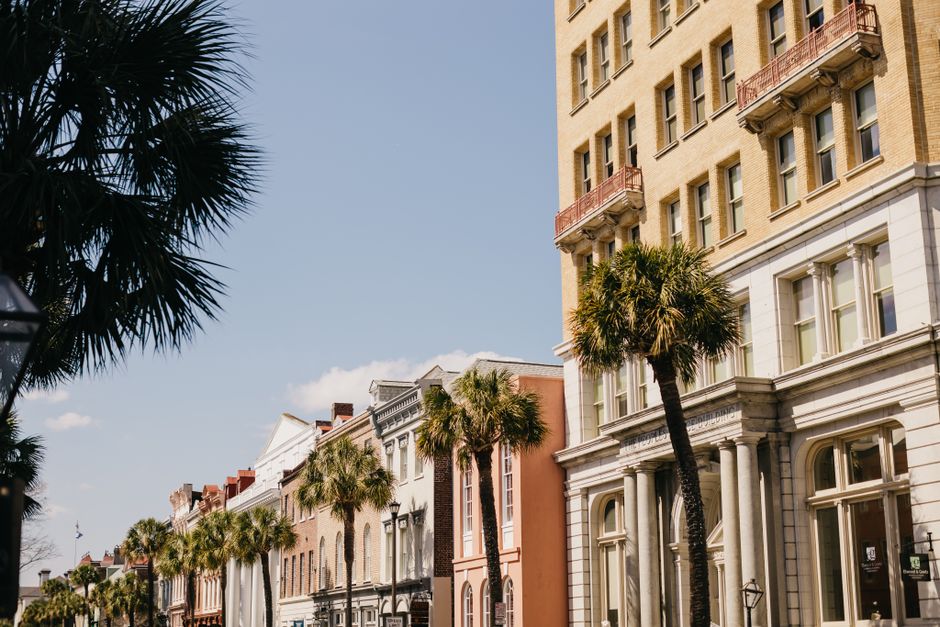
The Battery is the postcard. Those antebellum homes, the Spanish moss, the waterfront promenade—it's exactly what you think Charleston looks like. Tourists line up for the same angle. Photographers set up tripods. It's pleasant to walk, genuinely is. But you're not experiencing Charleston; you're experiencing a greeting card, and everyone else is taking the exact same picture you are.
Rainbow Row, those pastel townhouses a few blocks up, falls into the same category. It's a real street with real residents, and it's undeniably photogenic. But the foot traffic has become a problem. People stand in the middle of the street for 15 minutes to get the shot. You're contributing to the problem just by being there. I walked past it and moved on—not because it isn't charming, but because the charm has been commodified and crowded into irrelevance.
King Street and Market Hall: Retail Masquerading as Culture
King Street is downtown's main retail drag, and it's packed with the usual suspects: Banana Republic, Urban Outfitters, the kind of stores you could visit in any mid-sized American city. People spend hours here thinking they're experiencing local commerce. They're not. They're shopping. Market Hall, at the other end of King, is technically a historic building (dating to 1841), and there are some legitimate vendors and restaurants inside, but much of it has been gentrified into Instagram-bait food stalls that charge $16 for a plate of shrimp and grits. It's worth a quick walk-through, but don't plan your afternoon around it.
What's Actually Worth Your Time: Underrated Neighborhoods and Spots
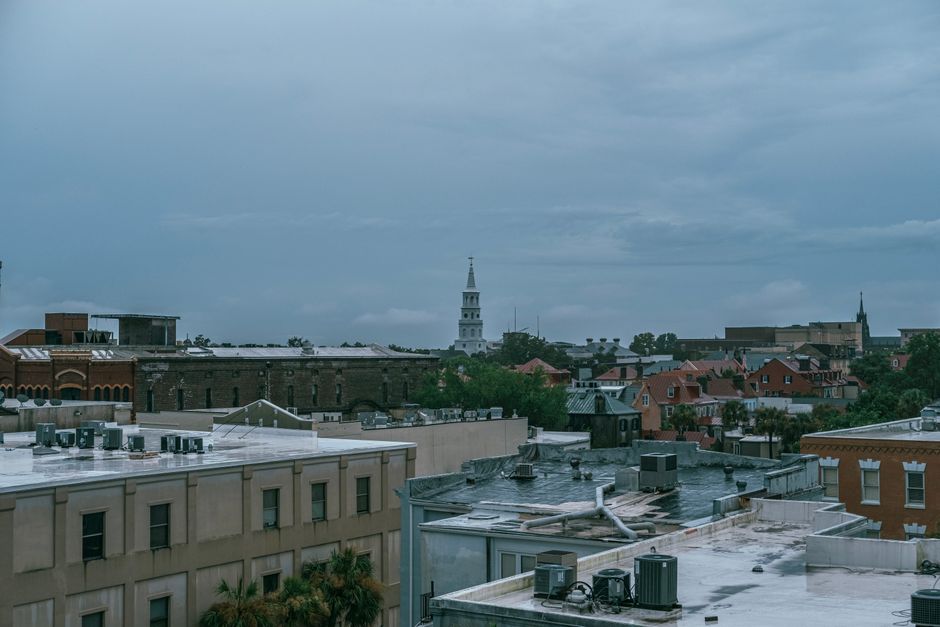
Here's where I found the real Charleston: in the blocks where locals actually live and eat. Cannonsborough, just north of the Historic District, is a residential neighborhood that tourists mostly skip. The streets are quieter, the homes are genuinely interesting (mix of Victorian and Greek Revival), and there's almost no foot traffic. I spent an hour walking around there with a coffee and saw maybe five other people. It feels like the city before it became a destination.
King Street Grits, tucked into a corner spot on King Street (yes, that King Street), makes one of the best bowls of shrimp and grits I've had anywhere. Husband-and-wife operation, reasonable prices, no line because most tourists don't know it exists. That's the kind of trade-off that defines underrated Charleston.
The Water Waits on the East Side
Most visitors stick to the Cooper River waterfront. Serious locals go to the James Island side, where there's genuine marsh, working boat landings, and almost no tourism infrastructure. I took a late-afternoon drive out to Folly Beach, which people write off as 'touristy'—and it is—but if you get there early or later in the evening, the pier is actually peaceful, and the beach town vibe is authentic in a way that the manicured downtown isn't. Not hidden, not secret, but definitely underrated compared to the battery walkway.
If you want to see the actual working waterfront—shrimp boats, dock workers, the real economic spine of the city—head to the wharves at the other end of East Bay Street. No plaques. No tours. Just commerce and water.
Eat Where the Locals Eat (Not the Instagram Spots)
Charleston's food reputation is earned but crowded. Leon's Oyster Shop is good, genuinely good, and it's also a 45-minute wait on most nights. Same problem as the plantations—the lines have become part of the experience, which means it's no longer really an experience.
Instead: walk into any neighborhood dive bar and order whatever's on special. I had lunch at a place called The Ordinary, which gets written about constantly, but I also had lunch at a bar in Cannonsborough where the bartender knew everyone's order by first name and the food was better. Shem Creek in Beaufort (30 minutes outside the city) is where commercial shrimpers still dock. The seafood restaurants there use the actual catch. No Instagram marketing. You just eat really well for less money.
Wander into smaller spots on Broad Street or Meeting Street after you've done the main tour. Places with faded awnings, murals from the 1990s, actual neighborhood restaurants that survive on locals, not tourism.
Museums and History: The Uneven Playing Field
The Aiken-Rhett House is less famous than the grander plantation museums, but it's a more honest look at how people actually lived—including the enslaved people who built and maintained the home. The house museum acknowledges that reality more directly than some other sites in the city. It's smaller, less crowded, and more thoughtfully presented.
The Old Slave Mart Museum is smaller still, housed in a restored 1859 building, and it's one of the most important spots in the city if you want to understand Charleston's actual history rather than its romanticized version. It doesn't get the traffic that some other museums do, partly because it's not marketed as aggressively, and partly because it's not comfortable. That's exactly why it matters.
The Honest Take
Charleston is worth visiting. It's genuinely a beautiful city with real history and solid food. But it's also a city that's been so thoroughly marketed as a destination that the thing many visitors come for—authenticity—is the hardest thing to actually find. The overrated spots aren't bad; they're just crowded with people having an experience that was designed by tourism boards.
The underrated stuff? It's just Charleston before it became Charleston the brand. That neighborhood walk in Cannonsborough. That quiet bar. That working waterfront where no one's trying to sell you anything. That's where the real time is. You don't need a guide to find it. You just need to walk past the people waiting in line for the next photo.