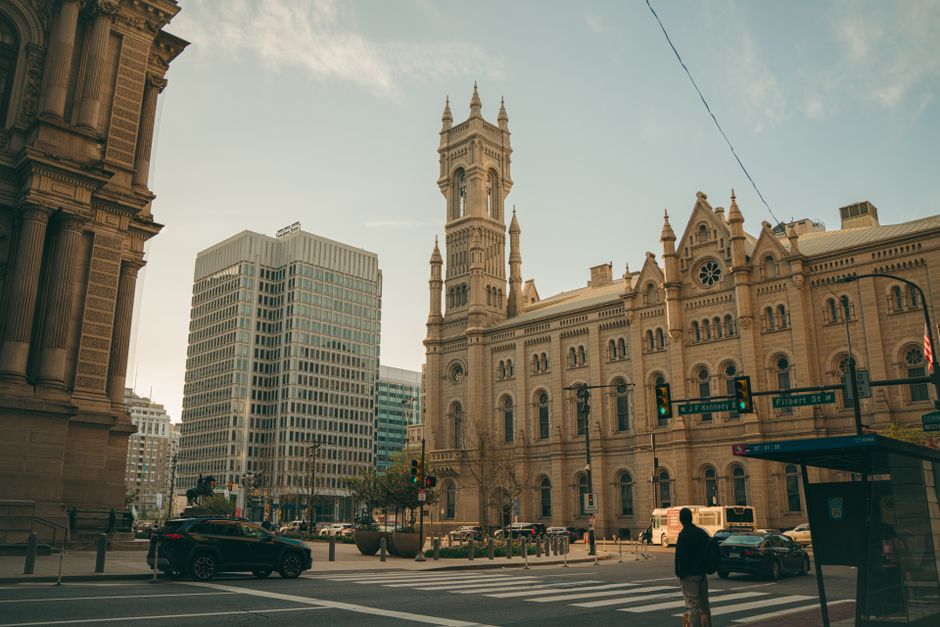
I rolled into Chattanooga on a humid June afternoon expecting the usual Tennessee river town—maybe some history, some barbecue, then on to the next place. What I found instead was a city that had quietly rebuilt itself into something genuinely worth staying for. The neighborhoods here aren't just different in scenery; they're different in personality, in who lives there, in what you actually do on a Saturday.
Unlike cities where downtown is a corporate graveyard after 6 p.m., Chattanooga's core neighborhoods are genuinely alive. People live here, work here, choose to be here. That matters when you're trying to figure out where you actually want to stay, whether you're visiting for a long weekend or serious about making a move.
Downtown & North Shore: The Hub
Downtown Chattanooga proper—the blocks around Market Street and the riverfront—is the obvious choice if you want walkability and action. You're a five-minute walk from restaurants, bars, the Hunter Museum, and the aquarium. It's touristy, sure, but not in a fake way. People actually move around here at all hours. There's a decent-sized population of younger professionals, some families in converted lofts, and plenty of visitors moving between attractions.
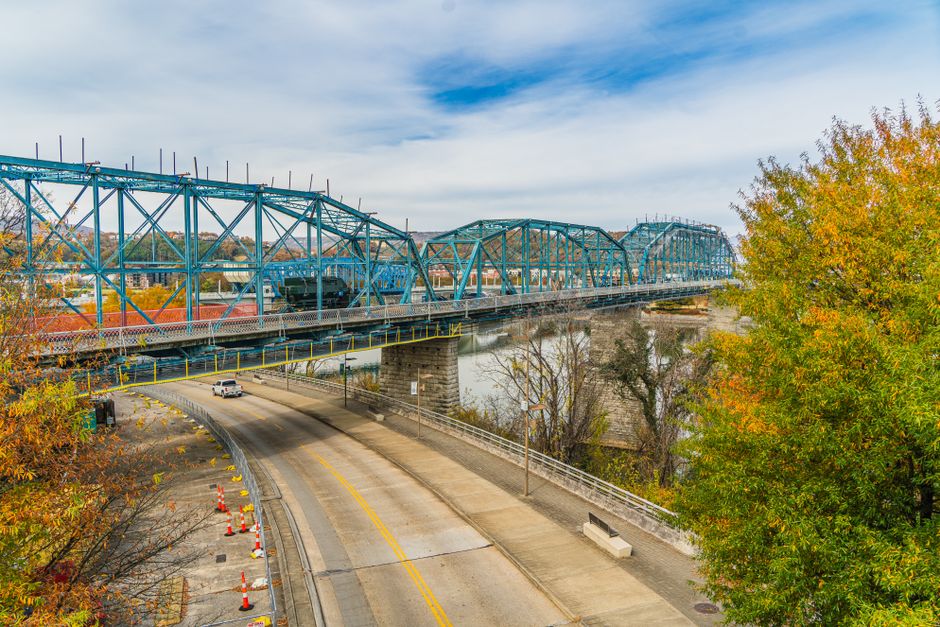
North Shore sits just across the Walnut Street Bridge and feels like an extension of downtown's energy, but mellower. Warehouses and old industrial spaces have become breweries, studios, and restaurants. Chattanooga Brewing Company and several other operations are here, along with galleries and smaller food places that don't cater to the TripAdvisor crowd. The vibe skews younger, more artsy. Rent is pricier than it was five years ago, but still reasonable compared to other mid-size cities.
Best for: Tourists on a first visit, young professionals who want walkability, anyone who doesn't want to deal with a car.
St. Elmo & East Ninth Street: Where Young Money Clusters
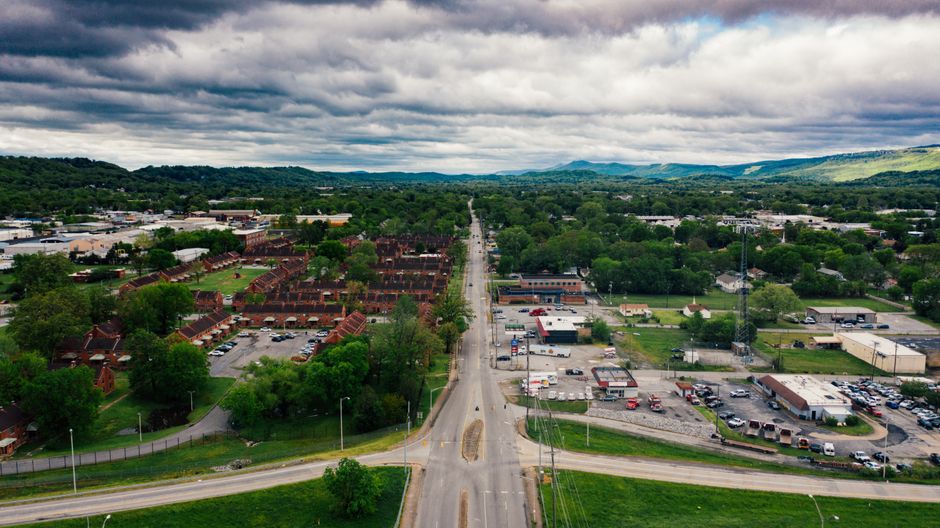
St. Elmo got fashionable in the last decade and now it's the neighborhood everyone assumes is the place to be. The block-by-block transformation is real—you've got decent coffee shops, trendy restaurants, vintage stores, murals. It's become the Instagram neighborhood, which means it's crowded and a bit more expensive. Parking is annoying. But there's genuine community here too: young professionals, some families, plenty of people making their own path.
East Ninth Street, running through this area and beyond, has become the dining and nightlife spine. The restaurants range from casual to ambitious, and they're crowded for a reason. This is where you go if you want to be near people your age who moved to Chattanooga intentionally, not by accident. The neighborhood improvements are ongoing, and you can feel it—new development, new businesses opening, old buildings getting love.
Best for: Young professionals under 40, people who want walkable access to dining and bars, anyone moving to the city for work.
Highland Park: Tree-Lined and Established
Highland Park is what happens when a neighborhood gets its act together quietly, without the hype. It's older, tree-heavy, with the kinds of houses that make people want to buy them—bungalows, 1920s craftsmans, solid brick. The population skews older, but there's a younger cohort moving in and fixing things up. It feels like a real neighborhood where people know their neighbors, which sounds cliché until you actually need it.
The commercial strip along South Broad is less trendy than St. Elmo but more lived-in. You've got a hardware store, a real grocery, local restaurants that serve the neighborhood. Reflection Riding, a nature preserve and sustainable farm, sits on the edge, and Sharpe Reservation Park runs along the ridge. Quieter than downtown. More expensive than the working-class areas south, but less flashy than St. Elmo.
Best for: Families, retirees looking for active communities, professionals who want neighborhood character with less noise.
Southside: The Underrated Bet
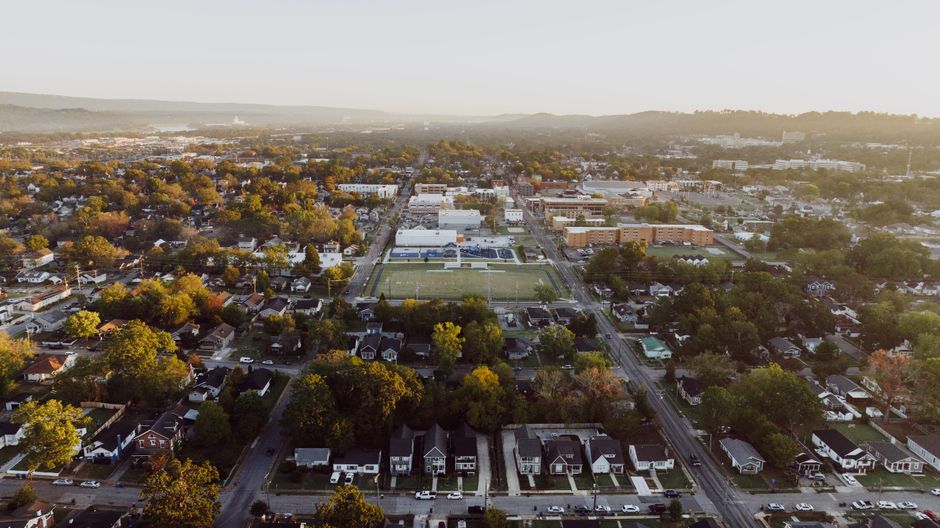
Southside doesn't get the attention that North Shore or St. Elmo does, which is partially why it's interesting. You've got a mix of longtime residents, artists, younger people priced out of trendier blocks, and small business owners. The bones are good—it's close to downtown, has decent transit, and rent sits noticeably below St. Elmo. Some blocks are clearly in transition; others are already there.
Main Street runs through it and has been developing steadily. There are breweries, coffee shops, restaurants that aren't trying too hard. You'll see murals, street art, community gardens. It feels like St. Elmo did maybe eight years ago—accessible, not yet completely priced out, still figuring itself out. If you're moving to the city and want a neighborhood with potential and character without the premium, this is the play.
Best for: Budget-conscious residents, young couples buying first homes, artists and creative types, anyone who likes neighborhoods on an upswing.
Red Bank: The Quieter Southern Choice
Red Bank sits on the northwest side, across the railroad tracks and the Tennessee River from downtown, but it doesn't feel isolated. It's more residential, quieter, with a real small-town feel inside a city. The neighborhood has its own commercial core—a real one, not a curated stretch—with longtime businesses mixed in with newer restaurants and shops. People come here intentionally now, but it's not a destination neighborhood yet.
There's more diversity here in terms of age, income, and background than in some other Chattanooga neighborhoods. Families stay. Long-term residents are rooted. It's a working neighborhood, not a play neighborhood. Housing is more affordable, and you get more square footage. If you want to live in Chattanooga but spend time with actual Chattanoogans rather than transplants, this is the territory.
The Outlying Haves: North of Downtown and East Brainerd
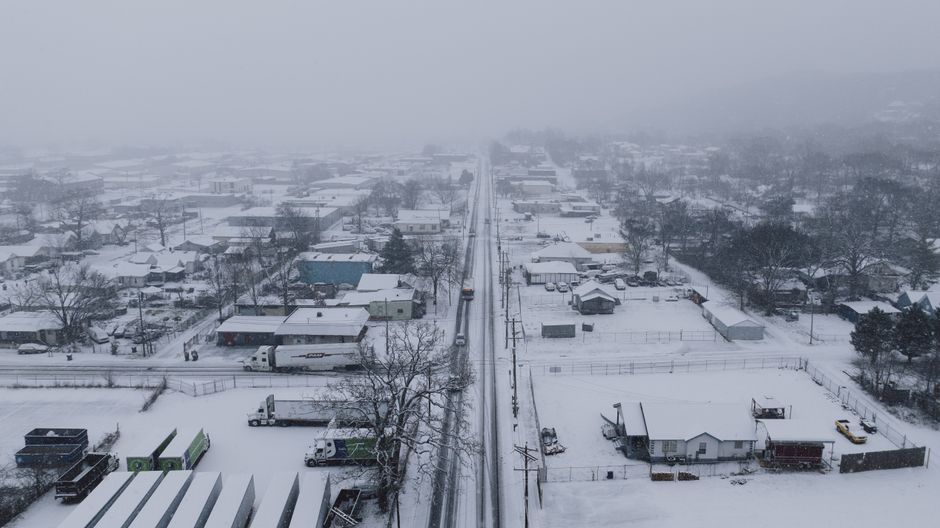
If you're looking at established affluent neighborhoods, you're looking at areas north of downtown—residential, quiet, older money mixed with newer. Prices are highest here. It's pretty and safe and frankly a bit buttoned-up. Schools are good, people maintain their lawns, it doesn't feel like a college town at all.
East Brainerd, further out, is different—newer construction, strip malls, chains, the suburban experience. It's where you go if you're working in that corridor or just want a quiet house with a yard and no pretense about living in the "neighborhood." Less character, more space, practical.
Best for: Families prioritizing schools, people who've decided they want suburbs, anyone wanting less urban density.
Practical Things Nobody Tells You
The humidity is real and year-round, though winters are mild. Traffic on highways is manageable except during rush hours and summer weekends. Parking downtown is paid but reasonable if you're visiting. If you're moving here, proximity to an I-75 or I-24 on-ramp matters more than people admit. The city is hilly in spots, which is nice visually but affects walkability.
Neighborhood character can shift block by block, sometimes literally. Do a few walk-throughs at different times of day. Talk to people at coffee shops, grocery stores. Chattanooga's growth has been fast enough that some blocks still feel different than others, depending on where exactly you land.
Making the Call
There's no universally "best" neighborhood here—it depends on what you actually value. Downtown or North Shore if you want walkability and action and don't mind crowds. St. Elmo or East Ninth if you're young and want the social scene. Highland Park if you want established, tree-lined, stable. Southside if you want potential and affordability. Red Bank if you want genuine neighborhood life without the transplant density.
I ended up staying longer than I planned, which says something. Chattanooga works because the neighborhoods work—they're distinct, they're real, people actually choose to be in them. That's rarer than it sounds.