
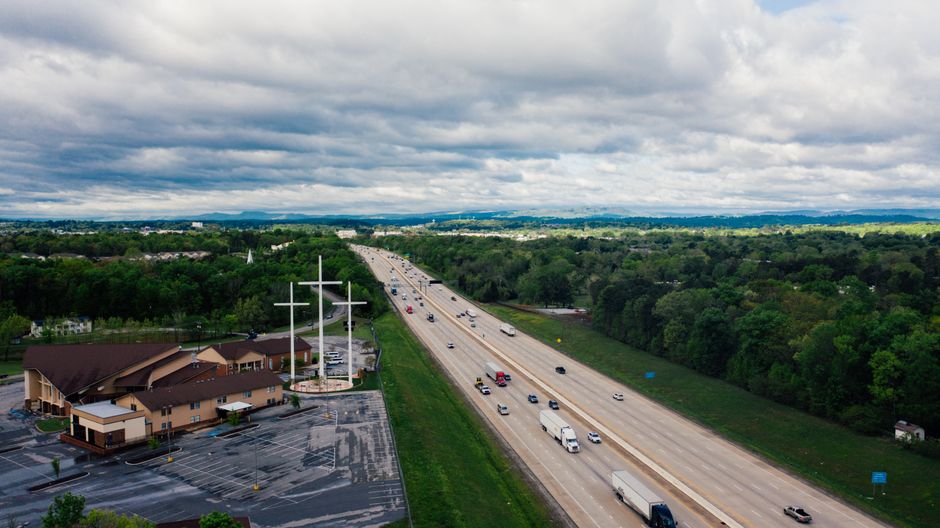
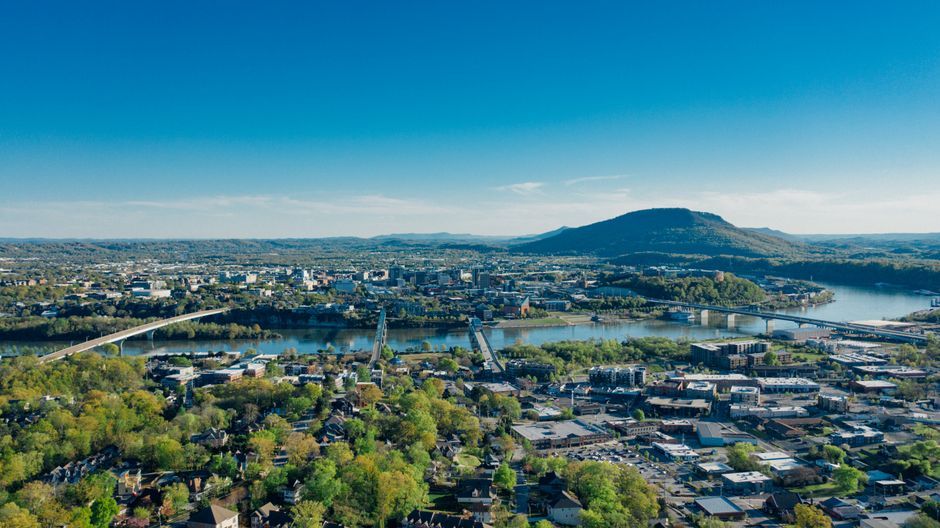
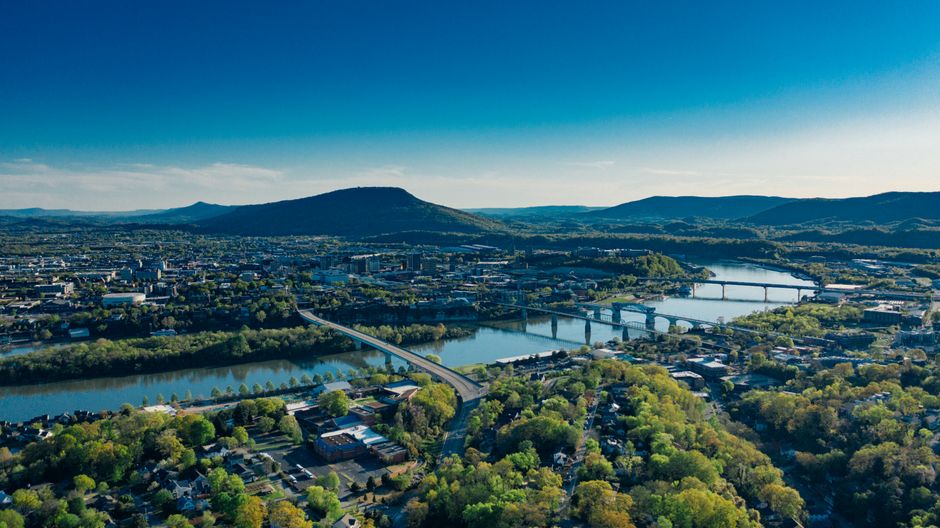
I drove into Chattanooga on a gray March afternoon expecting a quick weekend and stayed because the surrounding terrain kept calling me back. The city itself—revitalized riverfront, climbing gyms, decent food scene—is worth your time. But what really hooks you is the escape velocity. Within ninety minutes in any direction, you're in the Cumberlands, along the Tennessee River Gorge, or deep into college towns that feel frozen in a better decade. I've done the downtown stretch twice over now, and honestly, the day trips are where Chattanooga's real pull lies.
Rock City: High Drama, Authentic Quirk
Rock City sits on Lookout Mountain, roughly 20-25 minutes south depending on traffic. It's a 4,000-piece geological puzzle wrapped in mid-century roadside-attraction energy—caves, gardens, canyon paths, and views that genuinely stretch to seven states on a clear day. I went in May, when the rhododendrons were blooming, and the whole place had this romantic, slightly eerie quality you don't get from the photos.
The core experience is walking through natural limestone caves—tight passages, high ceilings, strange formations. They pump in moody lighting. There's a rocking chair balanced on a natural arch (the «Swing-A-Long»), a waterfall, and a section called Fairyland Caverns that leans hard into the kitschy charm of the original 1920s creation. The garden sections above ground are genuinely beautiful in spring and fall, but in July it's just hot and crowded. You can see the whole thing in 2-3 hours unless you get deeply lost or philosophical about cave geology. The $40-ish admission feels steep until you realize the place is privately owned, meticulously maintained, and no one's trying to turn it into a theme park despite decades of opportunity.
Sewanee and the University of the South: Mountain Town Atmosphere
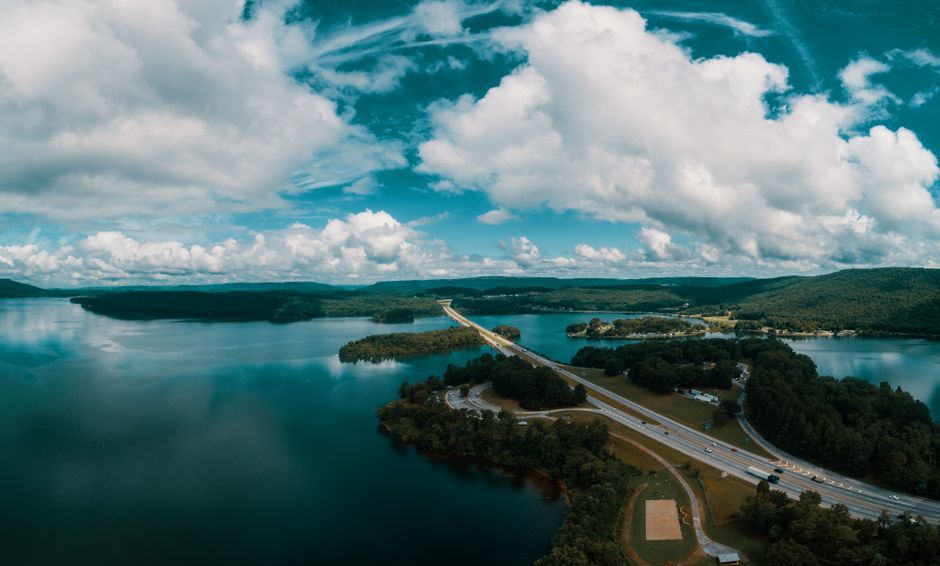
Sewanee is about 75 minutes southeast, perched at 2,000 feet on the Cumberland Plateau. The University of the South dominates the town—it's one of those rare campuses where the physical beauty justifies the hype. Gothic architecture, massive oaks, a sense of time moving slower than it does in the valley below.
The town itself is walkable and deliberately unhurried. There's a decent bookstore (The Sewanee Bookstore, in the downtown square), a clutch of coffee shops and restaurants aimed at students and faculty but not excluding visitors. If you hike, the Perimeter Trail circles the university grounds and is exceptionally well-maintained. For a less committed outing, just wander the campus and grab lunch somewhere in town. The surrounding plateau is carved by small creeks and ravines—beautiful any season, but stunning in October when the maple trees flame up. The vibe is academic, slightly pretentious in the way old money can be, but genuinely pleasant if you're not allergic to that particular flavor of Southern tradition.
Monteagle and the Cumberland Plateau: Hiking Anchor
Monteagle sits about 70 minutes south, another plateau town but less university-dominated and more outdoors-focused. The Monteagle Sunday School Assembly (a Victorian-era camp community) still operates and lends the place a lived-in, slightly bohemian quality you don't always find in rural Tennessee.
The real draw is the surrounding landscape. Savage Gulf State Natural Area is accessible from here and offers genuine backcountry hiking—waterfalls, canyon views, old homestead ruins. If you want something less demanding, the South Cumberland State Park system has shorter walks with big payoff. I hiked down to Stone Door in early April and had the place nearly to myself. The rock formations are Swiss-Alps-in-miniature—dramatic cliff faces, gorges, clear water. Summer humidity here is real, so spring and fall are your sweet spots. Winter is fine if you don't mind scrambling over wet rocks. The town has a couple of small restaurants and the Smoke House (barbecue, legitimately good), but you're not coming for restaurants—you're coming for the hikes.
Trackside Wine Bar and Fall Creek Falls: Two Reasons to Head North
Fall Creek Falls State Park is about 90 minutes northeast, near Spencer. The waterfall itself is the second-highest in the eastern United States—a genuine vertical drop that's worth seeing in person. The park is well-developed with hiking trails of varying difficulty, a lake for kayaking, and basic accommodations if you want to extend the trip. Late spring (May-June) and fall are peak seasons; the water volume is always impressive, but the light and temperature in October make it perfect.
On the way there or back, you pass through a cluster of small towns with a growing farm-to-table restaurant scene. I mention this because the whole northeast corridor has quietly become interesting—local breweries, antique shops, places where a chef from Nashville opened a restaurant partly because the rent was cheap and partly because they wanted to live somewhere with character. These aren't destinations in themselves, but they add texture to the drive.
Cloudland Canyon: Georgia Just Over the Line
Cloudland Canyon is roughly 45 minutes southeast into Georgia, near Rising Fawn. It's radically different from the Tennessee options—deep gorge, dramatic canyon walls, the Sitton Gulch creek running through the bottom, waterfalls you can actually access without extensive hiking. The canyon rim trail is maybe 2 miles round trip; the descent to the water is steep but short and well-maintained. The payoff is immediate—vertical walls, ferns everywhere, water sounds, a sense of being genuinely isolated despite the proximity to the parking lot.
Go in spring when the water is high, or in fall when it's cool and the crowds thin. Summer is possible but hot and crowded. The park itself is clean and well-run—Georgia State Parks do a good job. There's a picnic area at the rim and a few other minimal amenities. You can do this in two hours including the hike, or spend half a day if you're moving slowly. The drive back to Chattanooga is easy; I've done it as a morning trip more than once and still had the afternoon left.
Planning and Practical Notes
The best time for day trips from Chattanooga is October through November (fall foliage, temperature, fewer tourists) or April through May (blooming, mild weather, less humidity). July and August are hot and wet; the parks and attractions fill up with school groups and families. Winter is least crowded but weather is unpredictable on the plateau.
Gas is cheaper than it was, but you're still driving 45 minutes to two hours each way on most of these. Budget time accordingly—don't treat it like a quick morning outing unless you're just hitting Cloudland Canyon. Bring water. The plateau is beautiful but it has spotty cell service in places, and while that's never caused me actual trouble, it's worth knowing. Most of these areas don't have much food, so pack a lunch or eat in the larger town (Sewanee has options; Monteagle less so) before heading to the natural attractions. Download offline maps if you're hiking.
Why These Over Others
I left off Lookout Mountain itself (it's basically Chattanooga), Point Park, and the obvious hikes that locals do on weekends. Ruby Falls is on Lookout too—it's fine, very commercial, and if you're into cave tours and dramatic waterfalls you might add it to Rock City. The Chickamauga Battlefield is historically significant if Civil War sites matter to you, though as a day-trip experience it's mostly driving between monuments.
What I've included here are places I've actually returned to, and places where solo travelers specifically can spend 4-6 hours without being bored or feeling like they're just checking boxes. They're also all within comfortable driving range—nothing that requires an early start or eats your whole day in the car. Chattanooga itself is worth three days, but these escapes are worth the gas.


