
I landed at Port Columbus on a Thursday afternoon with no real plan beyond "stay somewhere walkable." Columbus doesn't have the reputation of a destination city, which might be exactly why it works. The place moves at a human pace. Rents don't require a second mortgage. You can actually park. And once you spend time in the right neighborhood, you realize the locals aren't just passing through—they're here because they chose to be.
The tricky part is picking where to nest. Columbus doesn't have one downtown core that dominates everything. Instead, it has clusters: artsy pockets, tree-lined old streets, ambitious new development zones, student neighborhoods that pulse weekends. Depending on what you want from a trip—or a relocation—you could end up anywhere from a redbrick loft in German Village to a leafy suburban bungalow in Worthington to a dive bar crawl in Clintonville. Here's how the main neighborhoods actually feel when you're there.
German Village: Where the Old Architecture Still Pays Rent
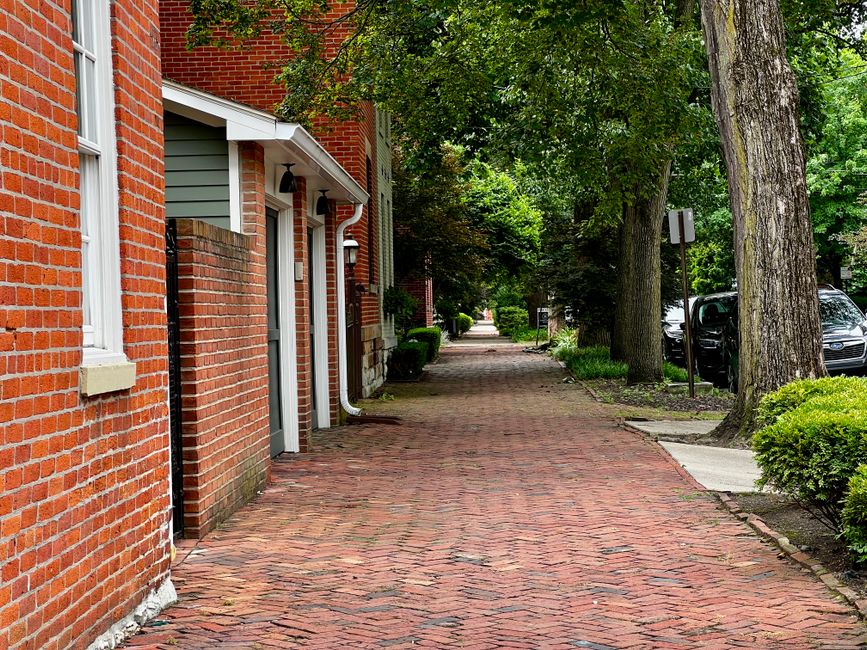
German Village is the postcard version of Columbus. The streets are lined with pre-1900 brick townhouses, most of them restored to the point where they look almost too perfect. Schiller Park sits in the middle with a gazebo and open lawn. On a Saturday, you'll see couples with strollers, people sitting on stoops with coffee, someone definitely working on a home renovation project.
It's expensive, but not irrationally so by 2024 standards. Rental prices here run higher than elsewhere in Columbus, and buying is out of reach for anyone not already established financially. But the neighborhood isn't pretentious—just mature. The bar scene is steady; Lindey's has been there since 1981 and still draws locals. The independent shops don't feel forced or Instagram-bait. You're not going to find the wildest nightlife here, and that's the point.
German Village suits established professionals, older visitors, and couples looking for a stable base. It's safe, it's pretty, and you don't have to think about whether you're in the "right" spot—you already are. If you're traveling solo and want to feel embedded in a real neighborhood rather than touring it, this is the move.
Short North: The Commercial Heart Still Beating
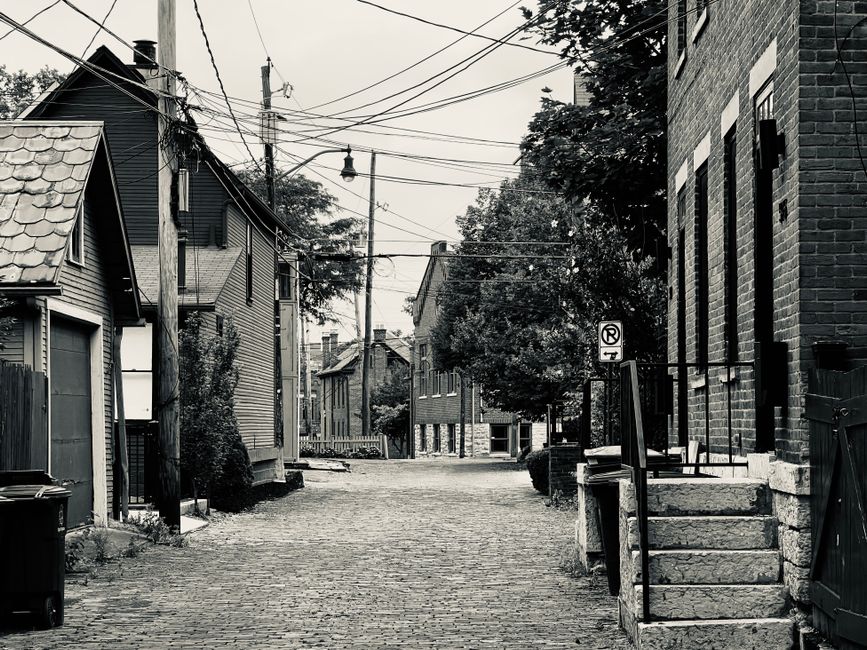
Short North is what happens when an old commercial corridor decides to reinvent without losing its backbone. The main drag is High Street, a corridor of galleries, boutiques, restaurants that cycle through trends but somehow never feel hollow. First Fridays draw crowds—deliberately, it's on the calendar. The street has that energy where something is always opening or changing, but the bones feel solid.
Housing options are mixed. You can find loft apartments in converted warehouse spaces if you want that aesthetic, or modern apartment complexes that feel more generic but are closer to the highway. Prices are moderate-to-high, cheaper than German Village but not budget territory. The neighborhood pulls young professionals and couples in their 30s who want walkability and nightlife but aren't interested in the student scene.
The trade-off is noise and foot traffic. If you're looking for peace, this isn't it. On weekends the sidewalks fill fast. The appeal is exactly that: you're in the middle of things without being downtown-isolated. Restaurants tend to stay open late, bars have character, and you'll see live music happening regularly. Short North works for people who visited Columbus once and decided they wanted to live here—it's the neighborhood that justifies that decision.
University District: Chaos and Opportunity on One Block
The University District centers around Ohio State's campus and extends into a radius of student housing, dive bars, cheap food, and the constant low-level chaos of 20-year-olds making decisions. High Street runs through it too, but the energy is completely different than Short North. Here it's loud, rowdy, and unapologetically transient.
Rents are genuinely cheap by urban standards—you can find a place here for less than German Village or Short North. The flip side is that your neighbor might move every year, your building might have paper-thin walls, and Thursday through Saturday evenings mean noise. But if you're young, on a budget, and want to be surrounded by energy and possibility, this is legitimate. The food options are outstanding for the price point. Bars pour heavy. There's a DIY music and art scene that doesn't wait for official permission.
The neighborhood suits grad students, people in their first career move, and anyone who thrives in high-turnover, high-density environments. It's not a place to retire into, and it's not where you take your out-of-town parents for a quiet dinner. But it's real, it's affordable, and it reminds you that cities still have people in them who are figuring things out.

Delaware Avenue: The Older Money Corridor
Delaware Avenue runs north from downtown and represents Columbus's version of established wealth. The houses are larger, the setbacks bigger, the sense of permanence stronger. It's not flashy—this is old Columbus money, which means quiet confidence rather than performance.
If you can find a rental here, you're usually in a smaller accessory unit on someone's property rather than a purpose-built apartment complex. Prices are high; this is not an affordable neighborhood. The appeal is the sheer physical comfort: yards, quiet, proximity to everything while feeling removed from everything. The residents tend to be older professionals, retirees, and successful business owners who've lived here for 20+ years and aren't leaving.
Delaware suits visitors with family who want space and calm, and retirees or late-career professionals who've accumulated enough to prioritize quiet over walkability. You're not going to stumble into a happening restaurant scene here. You'll drive to eat. But if you value actual peace—the thing most urban neighborhoods claim to offer but don't quite deliver—Delaware delivers it. It's Columbus's version of letting you opt out of the city while technically still living in it.
Worthington: Suburban Space Without Apology
Worthington sits north of the city proper and functions as a self-contained town with its own downtown area, its own schools, its own vibe. The houses have yards that actually matter. The schools are well-funded. The streets tree-line heavily, and in summer it feels genuinely green in a way urban Columbus doesn't quite achieve.
Rents and prices here are lower than German Village or Delaware, but you're paying for space instead of walkability. If you're a family, this is where you can afford a three-bedroom with a deck. If you're a retiree, you can have actual property. The trade-off is that everything requires a car—there's no stumbling to dinner, no casual neighborhood wandering. You plan your outings.
Worthington works for families with kids, retirees who want suburb stability, and anyone prioritizing square footage over walkability. The downtown strip has decent restaurants and shops, enough to feel like a place rather than just residential sprawl. Schools are the main draw for families; they're some of the best in the region, which is why people actually put down roots here. It's consciously suburban and honest about it.
Clintonville: The Neighborhood That Refused to Trend
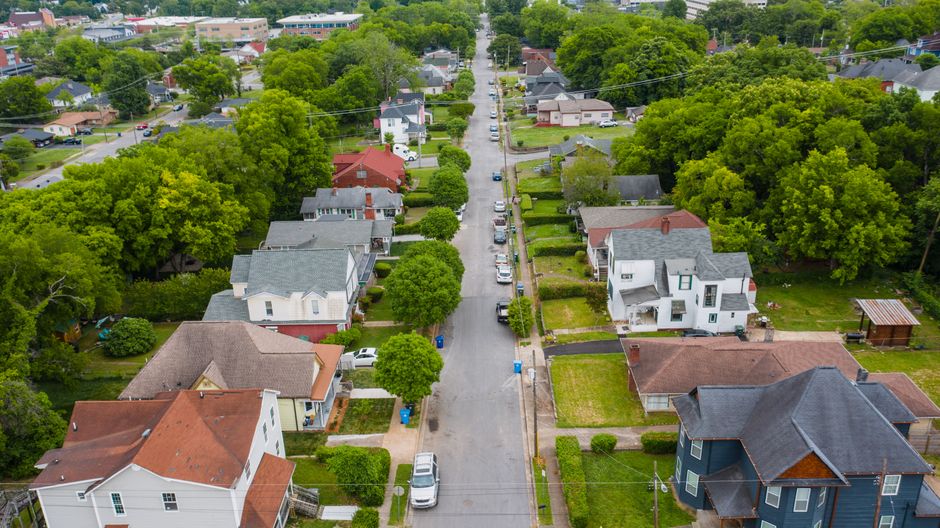
Clintonville sits north-central and operates by its own rules. The houses are a mix of Victorians, early craftsmans, and smaller bungalows. The commercial strip has a vintage arcade, a bookstore, a few bars that have been there long enough to feel like institutions, and restaurants that aren't trying to be on any list. The vibe is deliberately low-key, resisting the kind of gentrification pressure that hit German Village and Short North.
It's walkable without being precious. Quirky without being marketed as quirky. Rents are moderate—cheaper than German Village or Short North, more expensive than University District. The people who live here tend to be creative types, long-term Columbusites, and folks who reject trendy for established. You'll find artists, writers, bartenders who've chosen to stay put, and older residents who remember when this was even quieter.
Clintonville suits solo travelers who want neighborhood character without spectacle, artists and creators, and anyone suspicious of places that feel too polished. It's the kind of neighborhood where you can spend three months and still discover something new because it's not designed for tourists or transient professionals—it's designed for people living their actual lives. If you find yourself here, you probably belong here.
Picking Your Neighborhood: A Practical Frame
The honest answer is that Columbus is small enough that you can't really choose wrong. The distance from German Village to Worthington is 20 minutes. The University District is a 10-minute drive from Short North. You're not locked into any choice for life.
That said: families should lean Worthington. Young professionals early in their careers should try University District or Short North. Anyone with some money and actual preferences should look German Village first, then Delaware if you want more space. If you visit and decide to stay, Clintonville is where you'll know you've made peace with the place. Each neighborhood is genuinely different enough that the choice actually matters, but not so far apart that you'll regret missing another one.
Frequently Asked Questions
What is the safest neighborhood in Columbus Ohio?
German Village, Delaware Avenue, and Worthington are generally considered the safest neighborhoods in Columbus, with low crime rates and active neighborhood watch communities. Short North is safe but more crowded and lively. University District has higher turnover and more nightlife-related activity, which correlates with higher police presence. Overall, Columbus crime rates are lower than comparable Midwest cities, and most established neighborhoods are genuinely safe.
Where should I live if I work at Ohio State University?
University District is the obvious choice for convenience—it's walking distance and affordable. Clintonville is also very close and offers a quieter, more established feel if you want neighborhood character without the student-heavy atmosphere. Short North works if you want walkability to campus plus better restaurants and nightlife. Many OSU employees actually live in Worthington for schools and space despite the commute.
Is German Village expensive to live in?
German Village is the priciest residential neighborhood in Columbus, but not prohibitively so by national standards. A one-bedroom rental typically runs $1,200-$1,500 monthly; two-bedrooms can reach $1,800-$2,200. Buying is out of reach for most unless you're already established. It's more expensive than University District or Clintonville, but less than some comparable historic neighborhoods in larger cities.
Which Columbus neighborhood has the best nightlife?
Short North has the most concentrated bar and restaurant scene with consistent energy. University District has the rowdiest nightlife if you want dive bars and live music. Clintonville has a lower-key but authentic bar culture. German Village and Worthington have quieter evening scenes. Your best nightlife option depends on whether you want trendy-crowded or gritty-real.
Which neighborhood catches your eye?


