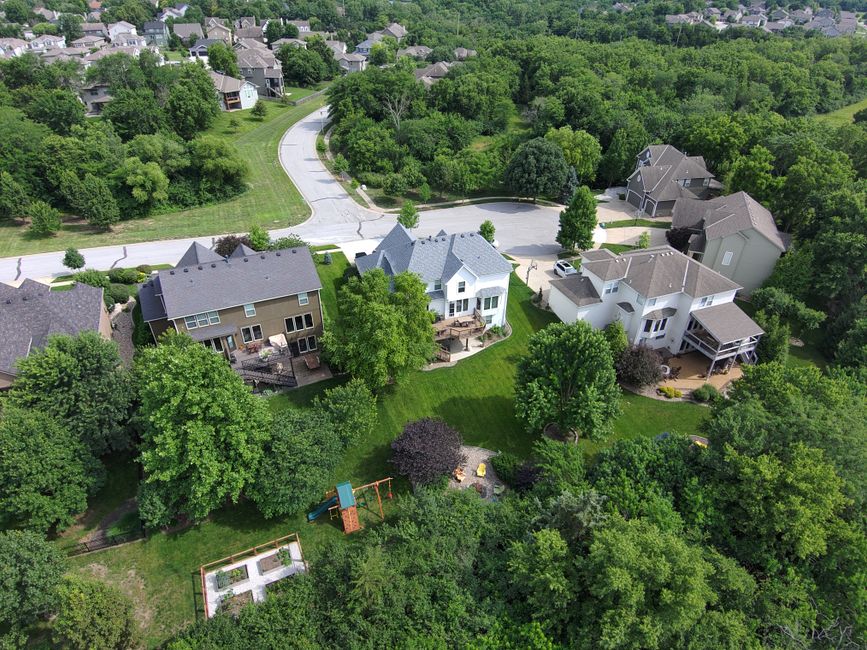
I rolled into Kansas City on a Thursday in October and made the mistake of picking a hotel in the Power & Light District without thinking much about it. Woke up to jackhammers and overpriced breakfast sandwiches. By day two, I'd figured out that staying put in one neighborhood wasn't the whole story—KC sprawls. The real city, the one people actually live in, spreads across a half-dozen distinct pockets, each with its own vibe, price point, and reason to plant yourself there.
I spent the next week doing the obvious thing: moving around. Spent a night in Waldo, a morning in Midtown, an afternoon watching the light hit the old buildings in Crossroads. Talked to bartenders, knocked on doors, asked locals where they'd stash a visiting friend for a long weekend. What stuck was less about bucket-list attractions and more about where you'd actually want to wake up.
If you're choosing where to stay, the neighborhood matters more than the hotel brand. Here's what I found.
Crossroads Arts District: Raw energy and creative types
The Crossroads is where you go if you like mess in your art and your surroundings. Huge warehouse galleries, street murals that change monthly, breweries in converted lofts. On a Friday night the streets fill with people in the kind of clothes that took effort but shouldn't look like they did. First Thursday gallery walks are the obvious draw, but the real life here happens when you're just wandering—finding a pop-up dinner in someone's studio, stumbling into a jazz spot that doesn't have a sign.
It suits young professionals and anyone visiting who doesn't need their neighborhood to feel polished. Hotels and rentals here are cheaper than Crown Center by a solid margin. The downside is real: blocks of emptiness mixed with intensity, street parking that requires patience, and the whole district can feel a bit self-aware on weekends when it's packed with suburban visitors. During the week it's quieter and more genuine.
Rooms and short-term rentals run from budget-adjacent to mid-range. The neighborhood sits just south of downtown, walkable but a bit gritty on the edges. If you care about aesthetic, you'll either love it or find it exhausting—there's no middle ground.
Midtown and Crown Center: Money, restaurants, safer bets
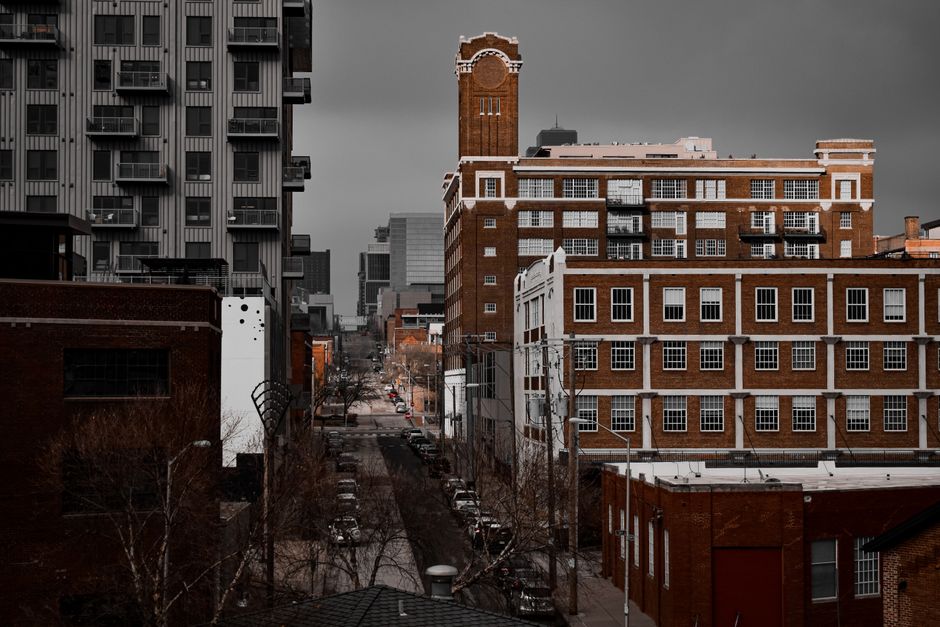
Midtown is where Kansas City keeps its reliable attractions and its older money. The Nelson-Atkins Museum is free and genuinely worth several hours. Around it spreads a neighborhood of restored historic homes, good restaurants that have stuck around for a decade, boutiques that aren't chains. Crown Center sits on the edge of it, denser and more developed, with chain hotels and the kind of safety that comes from constant foot traffic.
You'll find families here, older professionals, anyone who wants a neighborhood to feel stable and organized. Parking is managed and mostly straightforward. The restaurant scene is solid without being trendy—you can get an excellent meal without waiting three months for a reservation. Hotels range from upper-middle chains to upscale boutique properties. It's the expensive choice but also the one with the fewest surprises.
The trade-off is obvious: you're paying for comfort and proximity to attractions, which means less of the spontaneity and character that made Crossroads interesting. It's efficient. If you're visiting with aging parents or need your neighborhood to feel like a reliable American city, this is it. During peak season it can feel crowded and a bit corporate.
Westport: Divey, historic, built for people who want a story
Westport was where Kansas City went to have a real time before the suburbs existed. It still feels that way. Old brick buildings, bars with actual personality, jazz venues that aren't trying to be jazz venues—they're just where musicians play. You'll find longhair places next to cheap tacos, record stores still doing actual business, the kind of diner where regulars have names written above their preferred stools.
It suits solo travelers, musicians, people with a taste for worn-in authenticity. The neighborhood has rough patches and blocks that feel legitimately unsafe at night, which means you need to keep your wits about you and not wander past your comfort zone at 2 a.m. But the core strips—Main Street and Baltimore Avenue especially—are solid and interesting. There's a dive bar for every two people who want one. Rentals here are cheap. Hotels are fewer and often quirky independent spots rather than chains.
Westport has been gentrifying slowly for ten years, which means it's caught between its past and its future in a way that gives it real texture. Some nights it feels like the best-kept secret in the city. Other nights it feels tired. The neighborhood's honesty is both its appeal and its risk.
Waldo: Families and anyone who wants quiet with good coffee
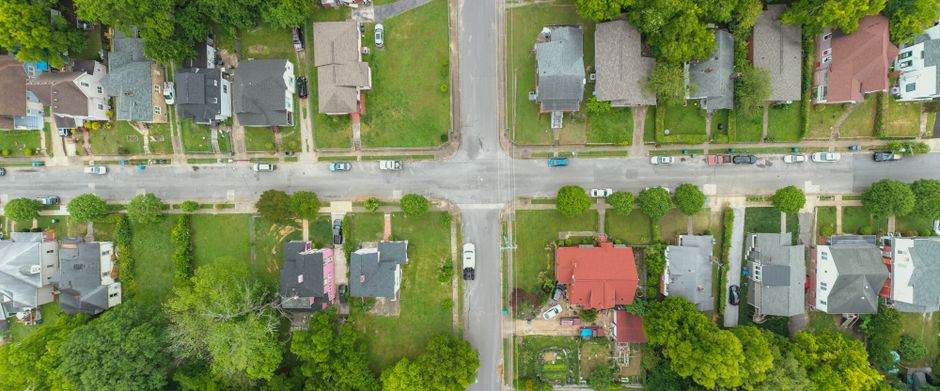
Waldo sits south of the flashier neighborhoods and gets almost no tourist traffic, which is exactly why it's worth considering. Tree-lined streets, actual front porches, a main drag with bakeries and coffee spots that don't try too hard. The neighborhood is residential without being bland—there's a neighborhood theater, a used bookstore people drive across town for, Sunday morning farmers markets that feel genuinely local.
Families love it here. Also: retirees, remote workers, anyone willing to spend 15 minutes driving to downtown attractions in exchange for a place where you can actually relax. The streets are quiet enough to take walks without tension. Rentals are well below Midtown prices and often more character-filled. You get actual neighborhoods homes and carriage houses rather than hotel corridors.
The obvious downside is distance. You're not walking to major attractions. There's no nightlife scene. If you're visiting KC for a long weekend and want to explore, you'll be driving or using transit to most of what's happening. But if your visit is less about seeing everything and more about experiencing how actual Kansas City people live, Waldo delivers. It's a neighborhood designed for staying put.
Power & Light District: Tourists, conventions, and people who hate parking
Power & Light is what you see in the opening shots of a mediocre network TV show about a city. Gleaming multi-story structures, chain restaurants with patio seating, nightlife that doesn't require discovery. Lots of people in bachelor-party attire, convention badges, families looking at the direction signs. It's downtown's most deliberately designed neighborhood, which means it's efficient and comfortable and almost entirely without surprise.
Stay here if you're visiting for a single night and want everything near the hotel, or if you're with a large group and need convenience over character. The hotels are newer, the restaurants are reliable, security is obvious. Parking is in lots, managed and predictable. It's expensive—the most expensive choice for most hotel categories.
What you lose is almost any sense of what Kansas City actually is. The district is pleasant and well-maintained and could be dropped into any major American downtown. Locals rarely spend time here unless they're going to a specific concert or event. It's transit-friendly if you want to venture elsewhere, which most visitors should do.
Strawberry Hill: Quiet south side, real homes, worth the detour
Strawberry Hill sits further south than most visitors venture, a neighborhood of actual residential quiet mixed with unexpected character. Built around a mansion and park space that gives it a more human scale. There are restaurants that serve the neighborhood rather than tourists. Small parks, less hustle, the kind of quiet that feels earned rather than forced.
It's harder to reach than the downtown neighborhoods, which is partly why it stays quiet. You'll need a car or patience with public transit. But if you're staying for longer than three days or traveling with family, this neighborhood offers something the closer-in areas can't: space and relief. Rental homes here are genuinely affordable compared to Midtown or Power & Light. You get whole houses instead of hotel rooms.
The trade-off is obvious: it's removed from most of what visitors come to KC for. You're not walking to galleries or restaurants. But you're also not dealing with crowds. For the right traveler—someone who wants to live in a place for a week rather than visit it—Strawberry Hill is worth the extra drive time.
Making the choice: who goes where
Picking a neighborhood is really about answering three questions clearly: How long are you staying? How much do you want to explore versus settle in? What kind of evening are you looking for—organized nightlife or serendipity?
If it's a single night or a quick tourist run, Power & Light or Midtown make logistical sense, though neither will give you a real sense of the city. If you're staying three days or more, split your time: one night downtown for convenience, then move to Crossroads or Westport for the actual personality. Families should lean Waldo or Strawberry Hill. Solo travelers with flexible plans should try Westport or Crossroads—the neighborhoods where you actually meet people because there's something to discover.
Price matters but not as much as fit. A cheap hotel in a neighborhood that bores you is a waste. A mid-range rental home in Waldo where you actually want to spend time is money well spent. And honestly, the best move is staying in a single neighborhood long enough to eat breakfast at the same diner twice. That's when you understand what KC actually is.
Frequently Asked Questions
what is the safest neighborhood to stay in Kansas City
Midtown and Crown Center are the safest and most managed neighborhoods, with constant foot traffic and visible security. Waldo and Strawberry Hill are residential and quiet with low crime but isolated from downtown action. Westport and Crossroads both have genuine rough patches and require street awareness, especially at night—stick to the main commercial corridors and avoid walking alone in empty blocks late.
best neighborhood to stay in Kansas City for young professionals
Crossroads Arts District is ideal for young professionals seeking nightlife, galleries, and a younger crowd, with cheaper rates than Midtown. Midtown is the upscale alternative if you want better restaurants and more polish. Both have reliable transit connections and walkable blocks, though Crossroads feels grittier and more creative while Midtown is more conventionally developed.
where should families stay in Kansas City
Waldo is the best choice for families—quiet residential streets, good schools nearby, family-friendly restaurants, and a weekly farmers market. Strawberry Hill offers more space and quietness, though it requires a car for most attractions. Midtown works if you want family attractions like the Nelson-Atkins Museum within driving distance while keeping a more stable neighborhood feel.
is downtown Kansas City walkable
Yes, Crown Center and Power & Light are highly walkable downtown clusters with restaurants and attractions within a few blocks. Westport and Crossroads are walkable within their own neighborhoods but spread out. Most of Kansas City requires a car to move between neighborhoods—there's no walkable connection from downtown to south-side areas like Waldo or Strawberry Hill without significant time investment.
Which neighborhood catches your eye?