I've spent enough weekends in Kansas City to know when I need to get out for a day—not because KC doesn't deliver, but because some stretches of I-70 and US-54 hit different when you've got a tank of gas and no deadline. The destinations I'm talking about are the ones you can actually reach before lunch, poke around for six or eight hours, and be back in your KC neighborhood by dark if you want. Most of them sit between an hour and two and a half hours out, which means you're not fighting traffic the whole way, and you've got room to breathe.
A lot of people skip these places because they think they know them already, or they hear "day trip" and imagine a gift shop and a photo op. That's not it. These are real towns with real things to do—some of them are actually better than people expect, especially if you time them right and skip the tourist-trap hours.
Branson, Missouri: Lakes, Live Music, and Peak-Season Crowds
Branson sits about two hours south on Highway 65, and it's the kind of place where the drive is short enough that you don't need to camp, but long enough that you feel like you've gone somewhere. Silver Dollar City is the draw for a lot of people, but if you want my honest take, the real appeal is Table Rock Lake and the restaurants and bars that line the water.
Spring and fall are when Branson actually works. Summer gets brutal—the kind of heat that makes parking lots shimmer, and the tourist infrastructure grinds under the weight of family vacation traffic. Winter is quiet, sometimes too quiet. Late April through May, or September through October, you get blue water, manageable crowds, and decent weather for walking around. The live-music venues along the strip are legitimate—some of them have been running the same shows for decades—but book ahead if you're going on a weekend.
If you're not interested in shows or theme parks, Table Rock Lake itself is the thing. The Branson Landing area has been redone in recent years, and there are enough coffee spots and casual restaurants that you can spend a morning there without feeling like you're killing time. The town sprawls, so driving is necessary, but it's all pretty accessible from Highway 65.
Arrow Rock: History Without the Fanfare
Arrow Rock is about ninety minutes east on Highway 50, and it's one of those places that barely feels like a day trip because it's so quiet and self-contained. The town is legitimately historic—it was a river town during the fur-trade era, and the state has kept a lot of the original architecture intact. Walking down Main Street, you're actually walking on ground that mattered a couple hundred years ago, and the buildings look the way they did, not like a recreation.
The Arrow Rock State Historic Site includes the Tavern, the Jail, the Lyceum, and a handful of other period buildings that you can walk through. It's not theme-park history; it's the kind of place where you read plaques and imagine what winters were like in 1840. The town also has a few small shops and a couple of restaurants, including the Tavern itself, which serves food in a restored building. The best light is morning and early afternoon, when the sun hits the brick and the visitors are still thin.
Arrow Rock doesn't have an ideal season in the way that a lake town does—it's fine year-round. Spring and fall are nicest weather-wise, but even winter has something to it. Summer brings more foot traffic, but nothing like Branson. If you're looking for a quiet half-day plus a meal and some air, this is it. Don't expect to spend more than four or five hours here and feel like you've wasted time.
Weston, Missouri: Breweries and Brick Streets
Weston is north on Highway 45, about forty-five minutes from downtown KC, and it's the closest real getaway. The town is built around brewing—there's Weston Brewing Company, Thrasher Brewing Company, and a few others scattered along the main street. The brick buildings are original, not restored-from-photos, and the whole place has a vibe that feels like people actually live there, which they do.
The breweries vary. Weston Brewing is the big one with the most foot traffic; the others are smaller and sometimes quieter, depending on when you go. If you're a serious beer person, it's worth checking what they have on tap before you go. If you're more casual about it, don't stress—they're all reasonable places to sit and drink. The town also has antique shops, a couple of restaurants, and a winery if beer isn't your thing. The Missouri River is right there, though public access is limited.
Weston works best on a weekday afternoon or a mild Saturday morning, before the KC crowd rolls in to drink beer and take photos. Fall is nice, but I'd almost say summer is underrated here—you can sit outside with a drink and watch the light move across the brick. Winter is fine too, but you're going to be inside more. The main advantage is that if you get restless, you're forty-five minutes from home and not committed to much.

The Flint Hills of Kansas: Tallgrass, Weather, and Empty Space
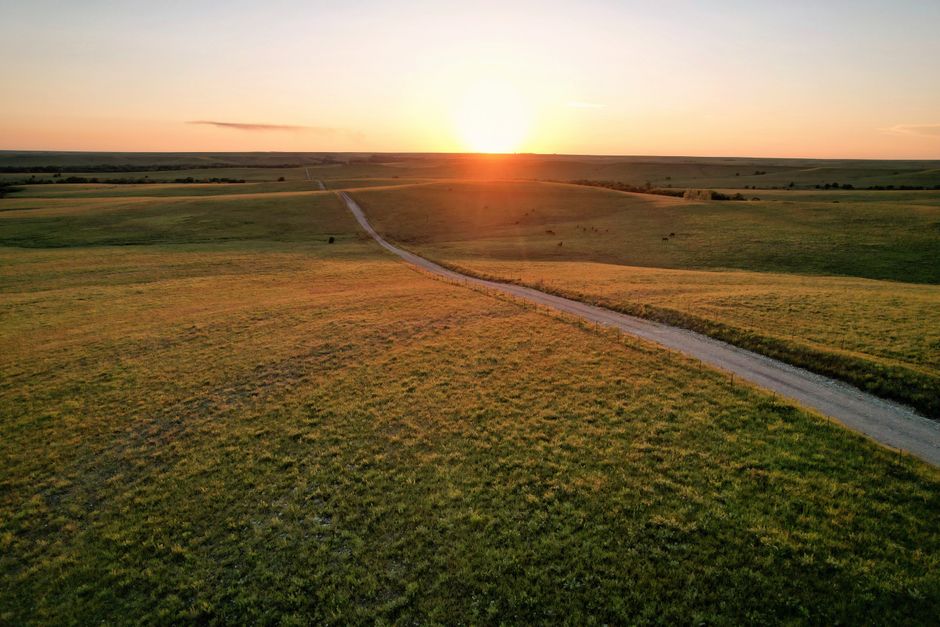
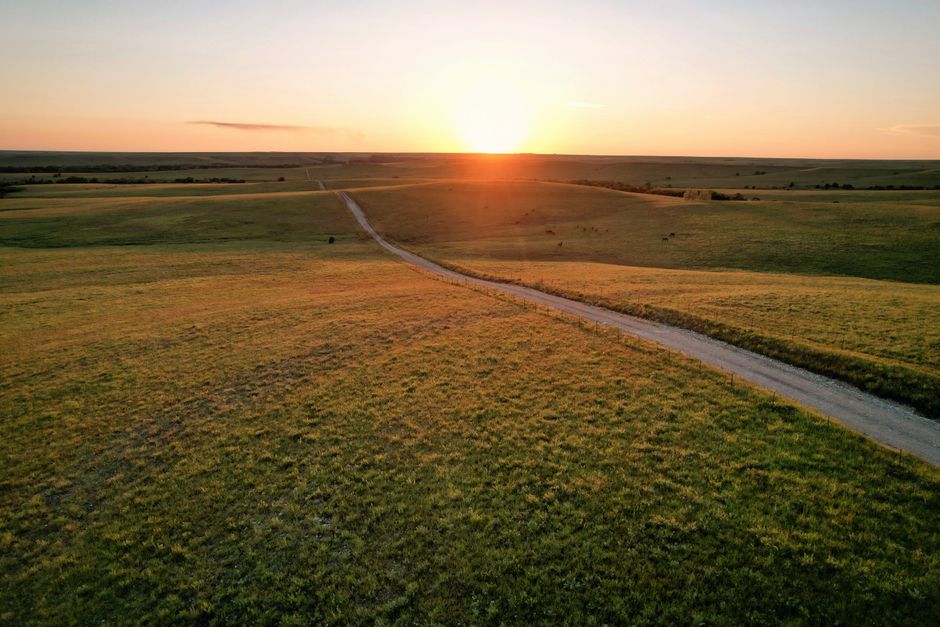
The Flint Hills are about two hours west, and they're not a single town but a region—roughly from Highway 77 down through the area around Cottonwood Falls and Strong City. What you're actually looking at is the largest expanse of tallgrass prairie left in North America, which sounds academic until you actually see it. The grass gets tall in late spring and early summer, and the light across it in the evening is genuinely something.
There's a Kansas Flint Hills National Heritage Area, and some managed trails and viewing areas, but honestly the best thing to do is drive slowly and stop where it feels right. Cottonwood Falls has a few restaurants and a historic courthouse, and you can get coffee there. Strong City is even smaller. The landscape itself is the draw—it's not crowded, there are no admission fees, and it's open the way a prairie should be.
Mid-June through July is when the tallgrass is tallest and the wildflowers peak. May and early June are also good. By August it starts looking more tired, and winter is obviously cold and brown. Spring can be muddy. If you want to really feel the scale of it, go in the evening, when there's no traffic and you can actually hear wind. You'll need a full tank and probably a picnic, because the restaurants are sparse. It's the least typical day trip from KC, and exactly the kind of thing to do if you need to think or sit quietly in a car.
Parkville: River Views and Quieter Alternatives
Parkville is north of Kansas City, maybe thirty minutes depending on traffic, and it's a small town that sits on the Missouri River. It's less of a destination than an extension—the kind of place you go if you want a break from KC proper but aren't ready to commit to a two-hour drive. Parkville has a downtown with shops and restaurants, the Parkville Museum, and riverside parks.
Platte County actually has some decent parks and trails in this area, and you can spend an afternoon walking around or sitting on a bench looking at the river. The town itself is small enough that you don't need a plan—you just walk Main Street and see what's open. It's not exciting in the way that Branson is, and it's not historically significant in the way that Arrow Rock is, but it's the kind of place where you can actually relax without feeling like you're checking off a list.
Timing doesn't matter as much here because the stakes are low. Any season works. If you're just looking for an excuse to get out of the city for a couple of hours, this is the path of least resistance. Spring and fall have better weather, but summer and winter aren't dealbreakers. It's the kind of place you go on a whim, not a place you plan a Saturday around.
Getting Real About the Drive
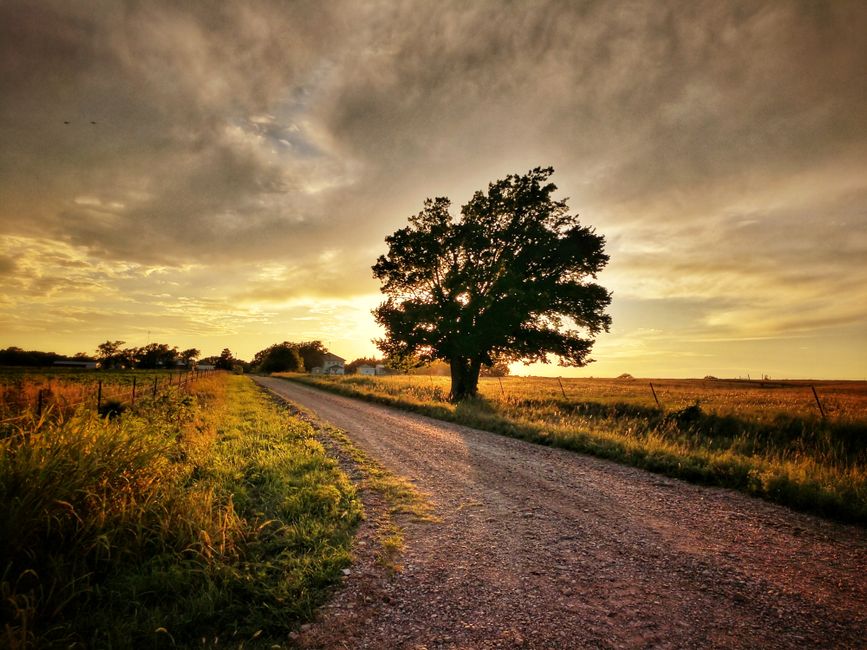
All of these places are driveable, but driving is different depending on time of day and season. Highway 65 to Branson is straightforward but can get backed up on Friday afternoons and Sunday evenings. Highway 50 to Arrow Rock is slower but less congested. Highway 45 to Weston is a straight shot. The drive west to the Flint Hills will test your patience if you're expecting a highway—it's less about the destination speed and more about the slow unveiling of landscape.
Weather matters more than most people think. Ice on Highway 65 in winter makes Branson a bad bet. The Flint Hills can be fine in rain or mud, depending on how adventurous you are. Arrow Rock is the safest bet year-round because the town itself is compact and there's not a ton of driving once you get there. Weston is similarly weather-agnostic. Plan around the season and you'll have a better time than if you just pick a weekend and hope.
The one thing worth saying: these aren't Vegas trips. You won't be miserable if the weather doesn't cooperate, and you won't regret going on a so-so day. The drive itself is part of the deal. If you're not okay with three or four hours in the car, you won't like any of these. But if you can settle into it, they're all worth the gas.
Frequently Asked Questions
What is the closest day trip from Kansas City?
Parkville is about thirty minutes north of downtown KC on the Missouri River. It has a small downtown with restaurants and shops, riverside parks, and trails. If you just want to get out of the city for a couple hours without committing to a longer drive, this is the easiest option. Arrow Rock is about ninety minutes east and Weston is forty-five minutes north if you want something slightly further but more distinctly different from KC.
How far is Branson Missouri from Kansas City?
Branson is about two hours south of Kansas City on Highway 65. It's a lake and entertainment town with Table Rock Lake, live-music venues, restaurants, and Silver Dollar City. The drive is straightforward but can get busy on weekends, especially in summer. Spring and fall offer the best weather and fewer crowds than summer.
What is the best time to visit the Flint Hills from Kansas City?
Mid-June through July is ideal for seeing the tallgrass prairie at its tallest with wildflowers in bloom. May and early June are also good. The drive from Kansas City is about two hours west. Summer offers the most dramatic landscape, but spring can be muddy and late summer the grass gets tired. The region has no admission fees and is open for driving and walking.
Is Arrow Rock Missouri worth visiting?
Arrow Rock is about ninety minutes east of Kansas City and worth a half-day or full-day visit if you're interested in frontier history. The state historic site preserves original buildings from the fur-trade era, including taverns and period homes. It's a quieter, less crowded alternative to theme parks and has a few restaurants and shops. The walk through town and the museum buildings give a genuine sense of 1800s river-town life.
Which day trip would you take first?