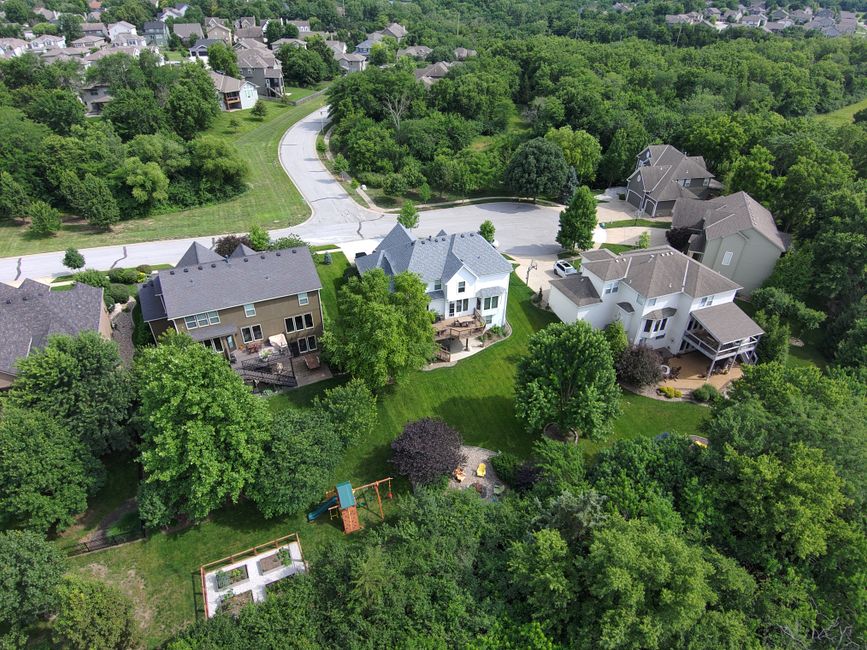
I arrived in Kansas City on a humid July afternoon with the usual traveler's uncertainty—which part of town would actually feel like the real place? After three weeks moving between neighborhoods, eating my way through barbecue joints and catching concerts in converted warehouses, I realized KC doesn't have one downtown core that defines everything. Instead, you've got these distinct pockets, each with wildly different personalities. Some are polished and family-friendly. Others are still rough around the edges in the best way. A few feel like they're actively being rebuilt in real time. Whether you're moving here permanently or just passing through, picking the right neighborhood makes the difference between feeling like a tourist and actually living here.
Crossroads Arts District: Gritty, Creative, and Still Affordable
This is the neighborhood that still feels like old KC—brick warehouses, street art on every corner, the lingering smell of someone's dinner mixing with industrial dust. Crossroads sits just west of downtown and has become the unofficial creative headquarters: galleries, artist studios, vintage shops, coffee roasters that actually care about their sourcing. First Friday art walks draw real crowds, not Instagram crowds. The galleries themselves range from polished contemporary spaces to scrappy artist-run operations crammed into spaces that probably shouldn't be commercial.
Who fits here? Artists, young professionals who don't mind neighborhood characters and occasional graffiti, anyone who wants walkable urban life without the sterilized feeling. Families should probably look elsewhere—it's fun to visit during art walks, but the vibe is decidedly young and nightlife-focused. Restaurants and bars cluster around Main Street and Baltimore Avenue. Rent is climbing but still lower than coaster neighborhoods. The main drawback: parking is street-only in most areas, and the neighborhood's appeal depends partly on its rough edges. If those smooth over too much, it might lose what makes it interesting.
Midtown: Urban Living with Real Walkability
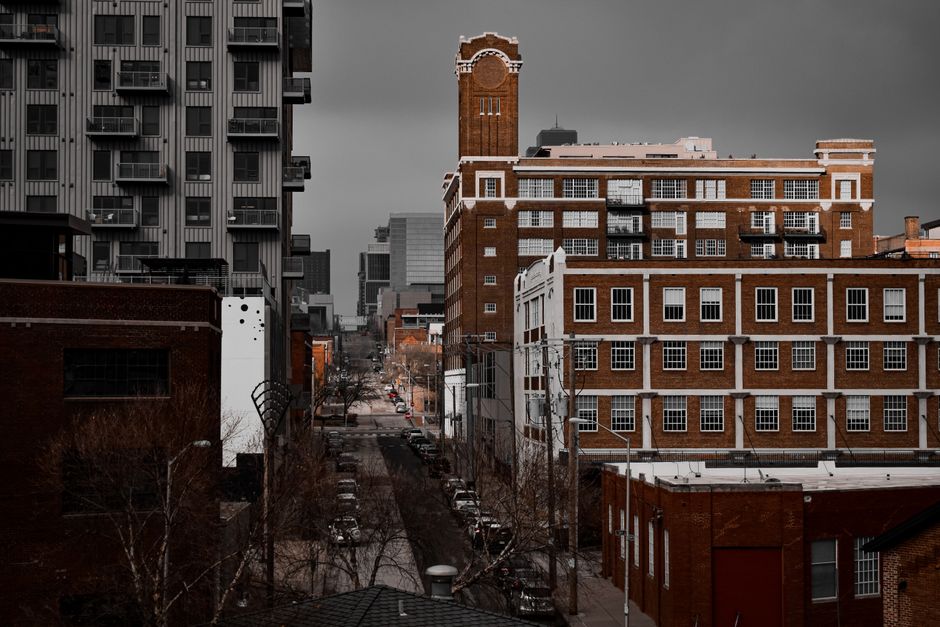
Midtown is what Crossroads might become if it gets too polished, and what Crossroads used to be. Centered around Main Street roughly between 40th and 50th, it's got independent coffee shops, bookstores, restaurants that have built actual reputations, and enough foot traffic that you can genuinely walk for dinner and drinks. There's an easier energy here than Crossroads—still quirky and arts-forward, but more established. Restaurants lean toward creative, locally-owned spots. The Truman Medical Center anchors the neighborhood and brings steady foot traffic.
This works for young professionals, established creatives, and anyone who wants urban living without feeling like they're roughing it. It's also more realistic for small families than Crossroads, though most people here are still pre-kid or kid-free. There's actual infrastructure: grocery stores, pharmacies, dry cleaners. Real estate is climbing steadily—Midtown's reputation means investors have noticed. Parking is a hassle but manageable. The neighborhood doesn't have major nightlife venues like Crossroads, which some people love (quieter) and others hate (too safe, too predictable). It's the neighborhood that feels most like what people imagine when they hear "cool urban neighborhood."
Westport: Historic and Volatile
Westport has personality you can practically taste. This is an old entertainment district that boomed during Prohibition, declined through the 1980s and 90s, and has been on an up-and-down cycle ever since. Right now it's in an upswing. You get actual Kansas City history here: century-old buildings, dive bars that haven't changed in decades, live music venues ranging from small clubs to mid-sized theaters. Main Street is legitimately atmospheric—older storefronts, some thriving, some with dusty windows.
Westport suits tourists, night owls, and people who want dense nightlife and music venues within walking distance. It's less ideal for families or anyone seeking consistency—the neighborhood's fortunes genuinely fluctuate, and what's vibrant this year can feel sketchy the next. During weekend nights, the streets are crowded with bar-hoppers. Weekday mornings, you might have long stretches with hardly anyone around. Crime rates are higher than comparable neighborhoods, though petty rather than violent. Housing stock is older, mixed-condition. Young professionals interested in nightlife and history find it irresistible. Retirees or people with school-age kids should look elsewhere.
Brookside: Suburban Comfort with Real Character
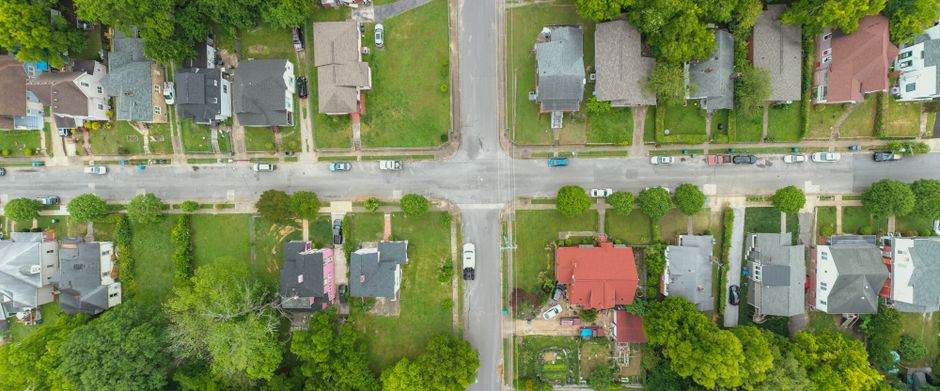
Head south toward the Country Club Plaza and Swope Park, and you hit Brookside—a neighborhood that somehow manages to feel both suburban and genuinely interesting. There's a real town feel here, centered loosely around 63rd Street with shops, restaurants, and enough walkable stretches that kids can actually go places. You're close enough to downtown that it's not a painful drive, but far enough that you get the feel of your own small town. The homes are well-maintained, ranging from modest bungalows to substantial brick colonials.
If you're moving to Kansas City with a family and don't want to sacrifice character for safety and schools, Brookside is the first serious option. Young professionals who want quiet, walkable living also land here. The neighborhood is stable in a way Westport and Crossroads aren't—good schools, lower crime, established community feel. That stability comes with predictability; you won't find cutting-edge restaurants or galleries here, though the food scene is solid and family-oriented. Real estate prices reflect the neighborhood's appeal and good bones. It's less interesting for solo travelers or young people who center their social life on nightlife—you'll feel the age demographic shift pretty clearly.
Power & Light District: Downtown Convenience, Tourist-Adjacent Feel
This is the safest recommendation and also the most obvious. Power & Light is a mostly-pedestrian district with restaurants, bars, shops, and sports-adjacent energy (because of the T-Mobile Center nearby). The streetscape is modern, clean, and honestly kind of sterile. If you're only in town for a few days and want walkable access to food and drinks without venturing into neighborhoods with actual character, you'll be fine here. There are lofts and apartments for rent, though the landlords tend to be corporate rather than local.
Power & Light suits business travelers, tourists, and anyone who prioritizes convenience and safety over atmosphere. For a permanent move, it works as a temporary landing spot while you figure out which real neighborhood you want. The energy is downtown-energy: families during the day, bar crowds at night, mostly transient residents. Parking is garages rather than street. There's nothing particularly wrong with it, but there's nothing particularly memorable either. If you're serious about actually living in Kansas City rather than just occupying space downtown, use Power & Light as an entry point and spend a few weeks exploring the neighborhoods where actual residents live.
Lee's Summit and Overland Park: Commuter Reality
You'll hear about these suburbs from people who work in Kansas City but chose to live in Johnson County, Kansas or the South Kansas City suburbs. Both are genuinely pleasant, safe, family-oriented places with good schools and reasonable real estate. If you have kids and that's your top priority, they make total sense. The trade-off is a 20-45 minute commute depending on traffic and your actual destination, plus losing the walkability and neighborhood vibe you'd get closer in. Lee's Summit especially has been growing and developing fast—newer schools, newer strip malls, newer everything.
For visitors and solo travelers, there's not much reason to stay here unless you're visiting someone. For families or people prioritizing commute times and school districts over urban walkability, it's worth considering. Just understand what you're choosing: safety and convenience in exchange for character and the ability to access your neighborhood without driving.
Getting a Real Feel Before You Commit
The honest truth about Kansas City is that every neighborhood surprises you when you actually spend time on the streets. Power & Light looks fine from Google Maps but feels sterile when you're actually there. Westport looks rough from a car window but has genuine life when you walk it on a weekend night. Brookside looks boring on paper but has actual community when you stop in a coffee shop. So if you're seriously considering a move, spend a weekend in each neighborhood. Park the car, walk the main streets, eat breakfast somewhere local, find a bar and sit at the actual bar (not a table), talk to people. That matters more than any online guide, including this one.