I pulled into Kansas City on a gray Tuesday afternoon with the usual traveler's question: where do I actually go? The guidebooks had me lined up for barbecue tours and the Arabia Steamboat Museum, which sound fine, but I've learned that what gets written about a place and what makes a place actually interesting aren't always the same thing.
KC surprised me—not because it delivered on the hype around every major attraction, but because I found the real energy tucked into corners the Instagram crowd hasn't quite colonized yet. Some of the famous stuff? Worth the trip. Some of it? You can skip without missing much.
Here's what I learned after a week of wandering, eating, and talking to people who actually live here.
The Barbecue Pilgrimage Isn't Wrong, But It's Incomplete
Joe's Kansas City Bar-B-Que gets written about as though it invented smoke and fire. The line wraps around the building most days. The brisket is legitimately good—tender, proper bark, the whole deal. But here's the thing: you're standing in a parking lot eating from a paper boat, and everyone else is too. If you're looking for the definitive KC barbecue experience, this scratches that itch. Just understand you're buying the institution as much as the meat.
Less famous but worth the detour: head to Char Bar in the West Bottoms. It's in an old industrial building, the ribs have a different character—less uniform, more personality. The owner actually cares about the product in a way that feels less about the line out front. Also try LC's Bar-B-Q on the east side, where you'll eat with actual Kansas Citians instead of tourists. The burnt ends are exceptional, and you can sit at a real table without apologizing to someone for taking their spot.
The barbecue reputation is earned, but treating it like a single-stop pilgrimage misses what makes eating in KC actually good: the city has dozens of legitimate spots, and the mediocre ones get overlooked because the famous ones are so famous.
Union Station's a Looker, But Skip the Expensive Tours
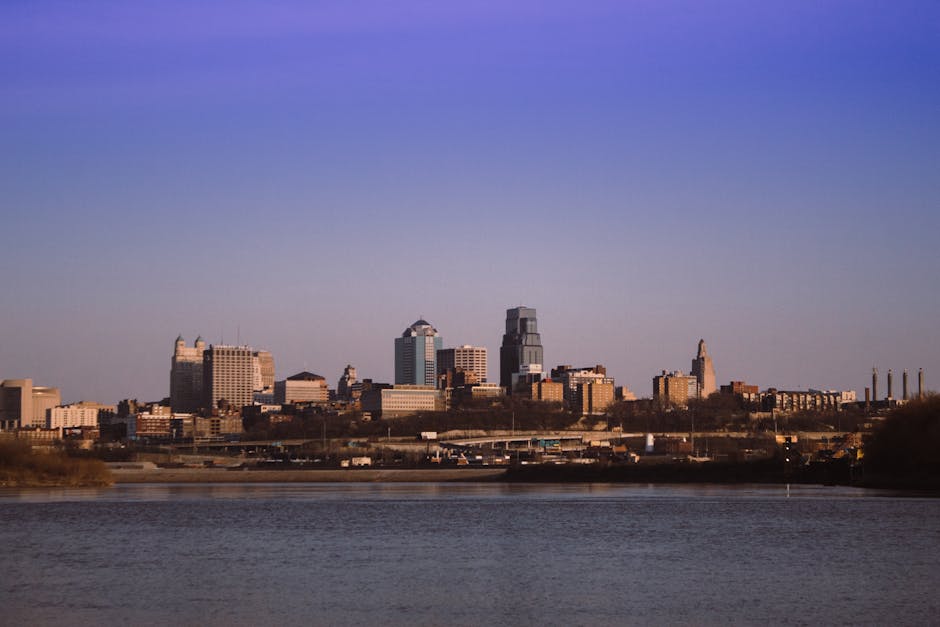
The building itself is stunning—one of the great Beaux-Arts structures in America, all marble and soaring ceilings and the kind of architectural confidence they don't build with anymore. It's worth walking through, grabbing a coffee in the main hall, and taking some photos. Do that. It's genuinely impressive.
But the paid tours? They're thin. Forty-five minutes of walking you could do alone, with stories you could read before you arrive. The real value is just being in the space. Sit in the upper balcony and watch people move through for twenty minutes. That's the experience. The building does the heavy lifting.
If you want actual history and architecture that feels lived-in rather than performed, head to the Thomas Hart Benton Home in the Midtown area. Benton's paintings are excellent—and yes, I know that's subjective—but the house itself is a real 1904 home where an actual artist worked and lived. You get tours from people who genuinely know the material, and you're not competing with fifty other tourists for floor space. The scale is human. The story is specific.
The Arabia Steamboat Museum Has Its Moment, Then Let It Go
The gimmick is genuinely wild: a steamboat sank in the Missouri River in 1856, got buried in sediment, got excavated in the 1980s, and now you can see the cargo basically as it was recovered. Thousands of artifacts, things people packed two centuries ago. The first thirty minutes are genuinely fascinating.
By minute forty, you're looking at a lot of button collections and shoe leather, and the novelty flattens. It's not a bad museum—the curation is solid, the light is good—but it's a single-idea museum. Once you've absorbed the idea, you're reading explanatory placards. If you have a serious interest in 19th-century material culture or riverboat history, it deserves a full visit. Otherwise, ninety minutes and you're done.
Instead, spend real time at the Pendergast House or the Thomas Hart Benton Home, both in Kansas City proper. Or—and I say this having done it—walk through the West Bottoms on a Saturday morning. The warehouses, the actual working industrial area, the Border War graffiti, the history you can see in the architecture without paying admission. It costs nothing and it tells you more about what KC actually is than most museums will.

Crown Center's Fine, But the River Market's Where Things Happen
Crown Center is the safe downtown play. It's where you go for the Sea Life Kansas City aquarium, or to wander shops that could exist in any city, or to eat at restaurants that are fine. It's polished. It's clean. It's a little boring. Most tourists end up here because it's marked on the map and it's easy to find.
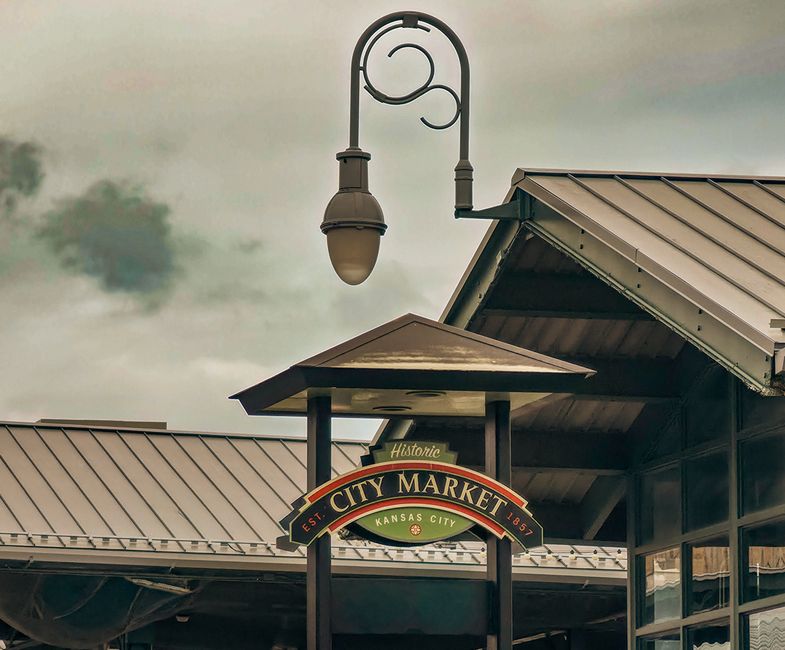
The City Market (River Market neighborhood) is messier and more interesting. The farmers market on Saturday mornings is legitimately worth your time—local vendors, not a tourist trap, actual Kansas City food culture. The neighborhood has old brick buildings, real bars where people are drinking because they live nearby, restaurants that feel like they were opened by someone with an opinion rather than a spreadsheet.
Wander the area around Main Street in the 1600s and 1700s block numbers. Pry open some of the side streets. There's a stillness to it that's not quite gentrified empty and not quite bustling—it feels like a real place that hasn't decided what it's becoming yet. That's interesting to me. Crown Center is a decision; the City Market is a discovery.
18th and Vine Is Essential, But Requires Patience and Context
The district has genuine cultural weight. This is where Kansas City's African American jazz culture developed, where the real music happened, where there's actual history embedded in the streets. The American Jazz Museum and Negro Leagues Baseball Museum are both here, and both matter.
But here's the honest part: the area is still rebuilding. Some storefronts are empty. You're not going to arrive and find this automatically vibrant neighborhood humming with energy. You need to seek it out intentionally. Go to the museums if the subject interests you—they're well done. Go to a live music venue in the evening and actually sit for a show. Don't just drive through and expect the neighborhood to explain itself to you quickly.
The value of 18th and Vine is real, but it requires engagement. You're not a tourist consuming a sight; you're a visitor understanding a piece of Kansas City's actual story. That distinction matters. If you're rushed, skip it. If you have genuine interest in American music history or Negro Leagues baseball, make the time.
Crossroads Arts District Gets the Label; Quality Varies
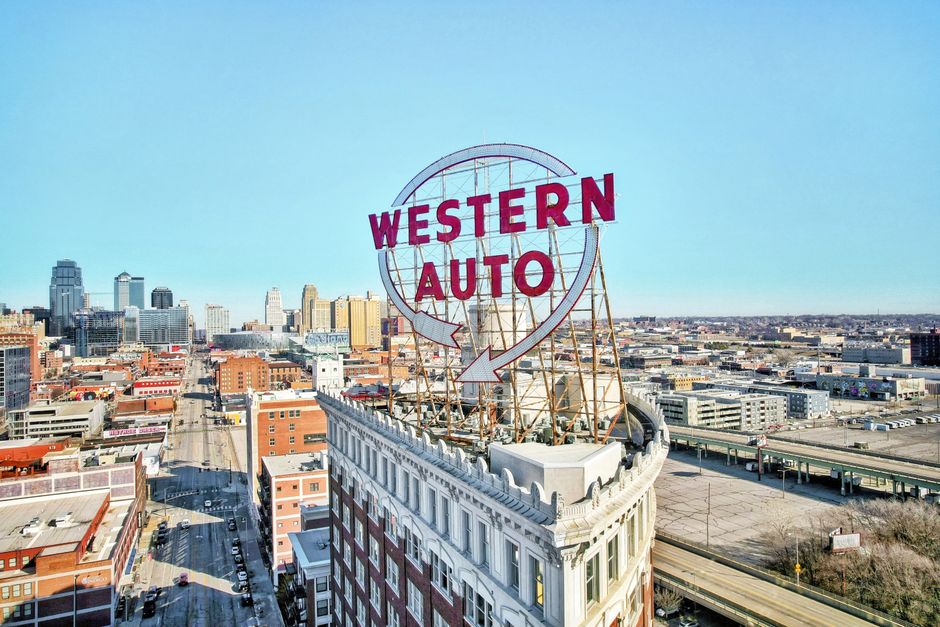
The Crossroads is where you'll find galleries, some good restaurants, the First Fridays art walk. It's got real energy, and there are genuinely interesting artists and businesses operating here. It's not fake. But it's also become the obvious play for tourists looking for "authentic local culture," which has a way of pressurizing places. Some of it feels a bit performed by now—the cool kids moved somewhere else, and now it's the place where people go to see cool kids.
For something with a different rhythm, head to Midtown. It's less densely packed with galleries, less obviously "artsy," but there's real work happening. The Nelson-Atkins Museum is world-class (and free), and the surrounding neighborhoods have a different texture. The shopping is less about statement pieces and more about actual living. Westport also has interesting stuff if you want to eat and drink without the curated vibe.
The Crossroads is worth an evening, for sure. Just understand you're getting a particular version of local culture, not the definitive version.
The Real KC Happens in Smaller Moments
The best thing I did in Kansas City was walk across the Broadway Bridge at sunset on a random Thursday. The view isn't famous. I had no reason to be there except the direction felt right. The light was good, the city looked real from that angle, and a guy on a motorcycle waved for no reason. That's more Kansas City than any major attraction.
Eat at Westport's older bars. Watch a game at Kauffman Stadium even if the Royals are playing badly. Sit in the lobby of a nice hotel you're not staying at and watch people move through. Buy flowers at the City Market. Stand in front of the Thomas Hart Benton murals and actually look at them instead of photographing them. Talk to people at bus stops.
Kansas City's not a place built for efficient sightseeing. It's a real city with real rhythms. The attractions are fine, many of them genuinely worth your time. But the city's best offer is something slower: the chance to move through a place and see what it actually does when nobody's performing.