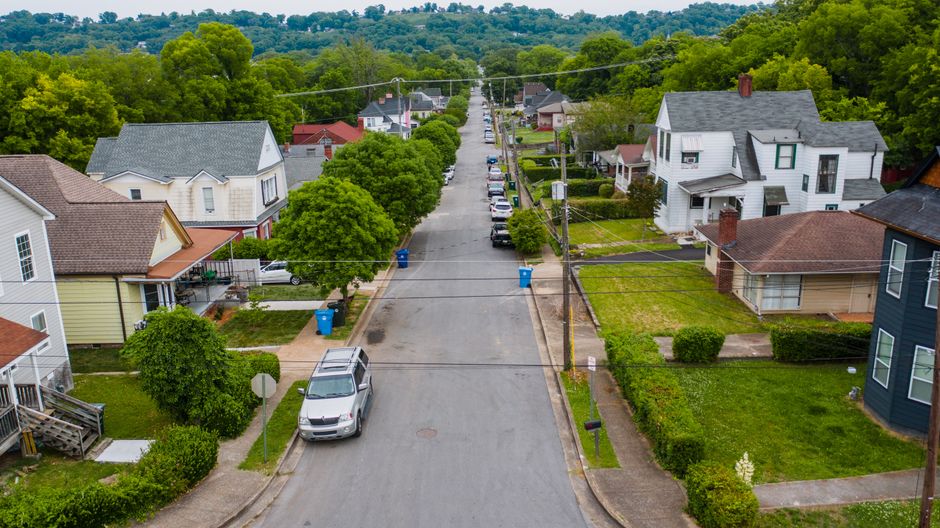
I arrived in Louisville on a humid September afternoon, the kind where your shirt sticks to you before you've even pulled your luggage from the trunk. The thing about Louisville that surprises most visitors is how much it feels like a collection of separate towns stitched together rather than one unified city. Drive ten minutes in any direction and you're in a completely different neighborhood with its own bars, restaurants, character.
After spending weeks here over the past few years—staying in different pockets of the city, eating at places locals actually go to, getting deliberately lost in residential streets—I've figured out which neighborhoods work for which kinds of travelers. Some are made for tourists doing the bourbon trail thing. Others are pure residential and sleepy in the best way. A few have become young-professional magnets. Here's what I've learned.
Bardstown Road and the Highlands: Young Professionals and Bar Culture
If you're under thirty-five, single or coupled, and you want to be where things are actually happening on a Friday night, Bardstown Road is the gravitational center. This tree-lined strip stretches through the Highlands neighborhood and has become Louisville's unofficial downtown after dark. The bars cluster thick here—some are genuinely good dive bars with real character, others are aggressively themed, and a few are just crowded.
The neighborhood itself is walkable in stretches. You can park once and spend an evening moving between spots without getting back in a car. Food ranges from solid Vietnamese to a local burger institution to whatever the rotation of new restaurants bringing ambitious menus to Louisville happens to be. The residential streets branching off Bardstown Road are genuinely pleasant—vintage Craftsman houses, tree cover, the kind of block where people sit on porches.
The downside: noise. Peak weekend nights can feel rowdy in a way that gets old if you're trying to sleep. Housing costs have climbed significantly as young professionals have poured in over the past decade. If you're a retiree or someone seeking quiet, this isn't your neighborhood. But for solo travelers who want energy and options within walking distance? It's the obvious choice.
Old Louisville: History and Victorian Charm
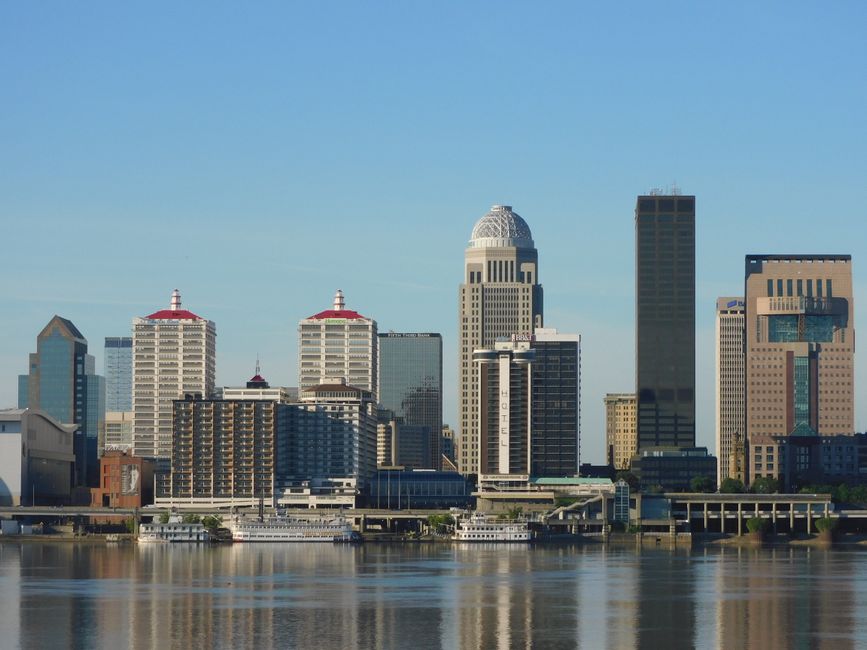
Old Louisville is what happens when a neighborhood coasts on genuine historical architecture and genuine affordability. This is the largest Victorian-era neighborhood in the country, something locals mention often and with earned pride. The buildings really are stunning—blocks of restored mansions with turrets, wrap-around porches, stained glass. It's not cutesy or theme-park-ified. It just looks like what a wealthy neighborhood looked like in 1880.
It suits people who want character over convenience. Photographers come here. Architects come here. People doing grad programs at nearby University of Louisville come here and stay for years. The restaurant and bar scene is smaller than Bardstown Road—more focused, less boom-or-bust feeling. There's real coffee culture, used bookstores, the kind of place where a bartender will remember you're from out of town and give you the actual good whiskey pour instead of the tourist one.
The residential feeling is strong, which is lovely until you realize the neighborhood's eastern edge borders some rougher blocks, and the immediate surroundings can feel hollow-ish after dark depending on where exactly you are. The neighborhood is working through gentrification carefully—it's not happened overnight like other cities, but it's definitely happening. Housing costs have climbed accordingly, though they're still reasonable compared to coastal cities.
East Market District (NuLu): Galleries, New Restaurants, and Weekend Energy
NuLu, as locals call East Market, is Louisville's version of what happened when a formerly industrial neighborhood got a $10 million streetscape project and artists started moving in. It's smaller geographically than Bardstown Road but packs similar punch in a compressed space. The weekend street scene is genuine—not manufactured. There are actual galleries, actual working artists, actual restaurants that seem to exist because the owner wanted them to exist rather than because a developer saw an opportunity.
Market Street itself is pedestrian-friendly and designed well. The building facades have character because they're actual old brick warehouses and factories, not reproductions. You'll find younger designers here, some established restaurants getting good buzz, coffee shops that take themselves seriously without being insufferable.
For solo travelers, it works well as a secondary neighborhood—you might base yourself in the Highlands or Old Louisville and come here Saturday morning for brunch and gallery-walking. For new residents in creative fields, it's increasingly the neighborhood of choice over Bardstown Road, which has grown corporate in spots. It's smaller than people expect and doesn't have everything a neighborhood might offer, but what it does have, it does intentionally.
St. Matthews: Suburban Comfort for Families and Retirees
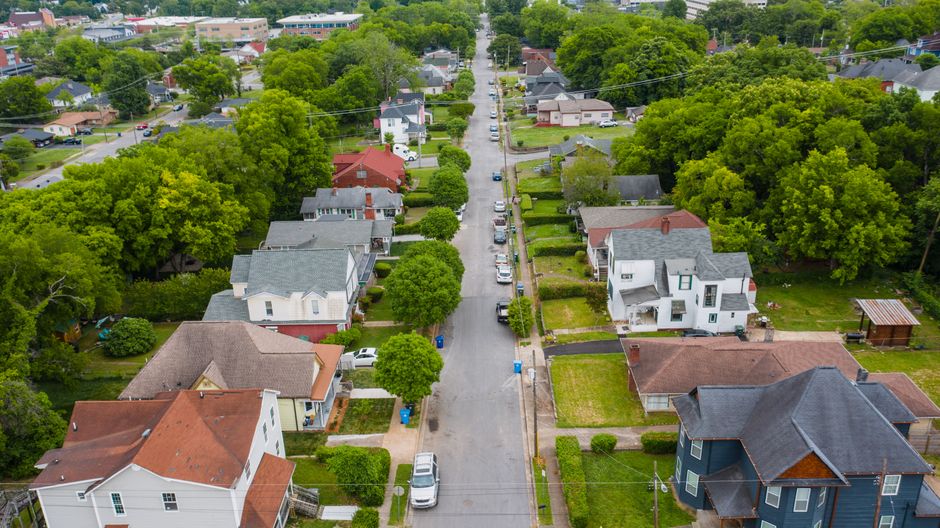
St. Matthews is what you choose if you want Louisville amenities with suburban infrastructure. It's east of the main downtown, significantly more car-dependent than the neighborhoods mentioned above, and deeply family-oriented. The streets are wider, the yards larger, the pace slower. If you're relocating with kids or you're retired and want a neighborhood that feels stable and established, this is the obvious play.
Shops and restaurants are spread out—you're driving to them rather than walking past them. There's a meaningful mall here, which still matters to some people. The parks are well-maintained. Schools are considered good by suburban standards. It's not distinctive or interesting in the way Old Louisville is distinctive, but it works smoothly and that's partly the point. People live here for decades and are fine.
Visitors rarely base themselves here unless they have family in the neighborhood. But if you're house-hunting and you want schools, quiet, and a sense that your neighborhood will remain stable? St. Matthews delivers. It's not cheap—Louisville's suburbs command real money—but it's cheaper than equivalent suburbs in other mid-size cities.
Frankfort Avenue Corridor: Coffee Culture and Quiet Walkability
Frankfort Avenue is one of Louisville's better-kept-local secrets, which sounds cliché until you actually spend time there. It runs northeast from downtown through neighborhoods that have quietly developed a strong coffee and food culture without becoming aggressive about it. The street itself has genuinely nice walkability—you can grab coffee at one of several solid spots, walk to vintage clothing stores, eat lunch at a neighborhood restaurant that locals actually use, and encounter almost no tourist infrastructure.
The residential blocks off Frankfort feel like neighborhoods where people actually know each other. Tree coverage is substantial. The housing stock is diverse—everything from small shotgun cottages to larger Victorians. It's historically been more affordable than comparable neighborhoods closer to downtown, though prices have begun climbing as word spreads.
It works well for people who want a neighborhood feel but some walkable commerce. Solo travelers might find it less exciting than the Highlands but more genuinely Louisville than tourist-focused areas. New residents looking to stretch their dollar while staying in a neighborhood with character should look here seriously—you get real neighborhood life without the hipster-density that defines some areas.
Downtown/West End: Tourists and Urban Apartment Dwellers
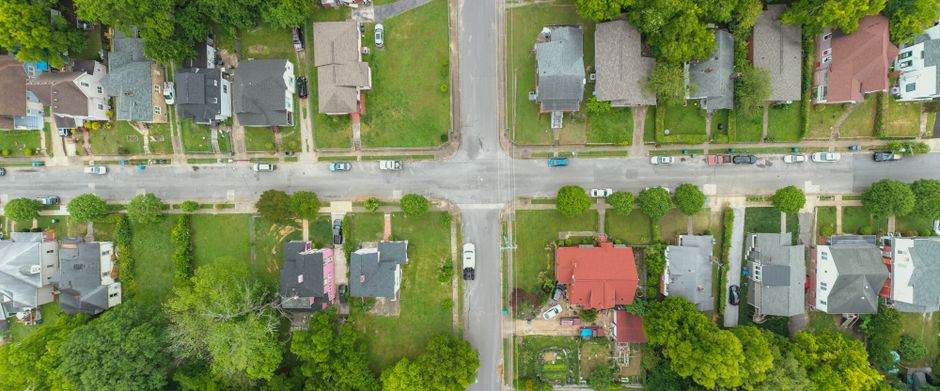
Downtown Louisville has gone through the standard American downtown revival—empty office buildings converted to lofts, sports arena driving foot traffic, bourbon distillery tour operations dotting the blocks. It's genuine revival in some aspects, newer-construction-heavy in others. If you're visiting for the Kentucky Derby or the bourbon trail, you'll likely stay somewhere downtown or very close.
Main Street is the spine. It has energy during business hours, quieter at night depending on what event is happening. The nearby Warehouse District has bars and some restaurants. The riverfront has actually developed into something real in recent years—not just a conceptual waterfront but actual places to walk and eat.
For residents, downtown works if you want urban living without the neighborhood character of Old Louisville or the bar-scene intensity of the Highlands. You get walkability to work, restaurants, and events, but you're living in an apartment building rather than a neighborhood. It's the obvious choice if you need to be downtown for work and don't need deep community roots.
Practical Notes on Getting Around and Choosing Your Neighborhood
Louisville's walkability varies dramatically by neighborhood. The Highlands, Old Louisville, and NuLu are the most walkable. Everywhere else, you're either driving short distances or using rideshare. Public transit exists but doesn't cover neighborhoods well enough for car-free living unless you're downtown.
For visitors: base yourself in the Highlands if you want nightlife and energy, Old Louisville if you want character and history, downtown if you're doing the tourist circuit. For residents deciding where to move: think about whether you want walkable bars and restaurants (Highlands, NuLu, Frankfort Avenue) or quieter residential feel (Old Louisville, St. Matthews, the residential stretches of Highlands). Think about whether you're driving daily and to where.
Housing costs vary. St. Matthews is the most expensive for newer suburban space. The Highlands and NuLu are climbing. Old Louisville and Frankfort Avenue offer the best combination of character and relative affordability. Nothing in Louisville is painfully expensive compared to other mid-size American cities, which is part of why it's become attractive to young professionals relocating from coastal cities.