I rolled into Louisville on a humid Thursday afternoon with the usual expectations: bourbon, horses, maybe some fried chicken. The city has a reputation, and I wanted to see if it held up. What I found was a place that's doing something interesting but gets a little lost in its own mythology. The bourbon obsession is real, the Derby history is everywhere, but there's a Louisville underneath the tourist shorthand that's actually more fun to explore. After a week of hitting the obvious spots and digging into the quieter corners, I came away with some opinions—nothing revolutionary, but the kind of takes you only get from actually walking around.
The Overrated Heavyweights
Let's start with the Kentucky Derby Museum. I get it. The Derby is a big deal, and the museum sits right at Churchill Downs, which is undeniably cool from the outside. But inside? It's a fairly standard sports museum with a lot of video loops and exhibits that feel stuck in 2005. You're paying a decent chunk of change to stand in climate-controlled rooms looking at old saddles and TV monitors. The real Derby experience—if you actually want it—is catching a race day if you can, or at minimum walking the grounds on a non-race afternoon when the place has some actual energy.
The Maker's Mark distillery tour gets another mention. I'm not anti-bourbon or anti-distillery tours, but Maker's Mark has leaned so hard into the brand experience that it's become a bit of a theme park. The famous red-wax dipping ceremony feels obligatory, the gift shop is enormous, and you're essentially paying to be marketed to. If you want to understand bourbon whiskey in Kentucky, you'll get a better grip on it from a smaller operation that talks process instead of lifestyle.
When the Waterfront Misses the Mark
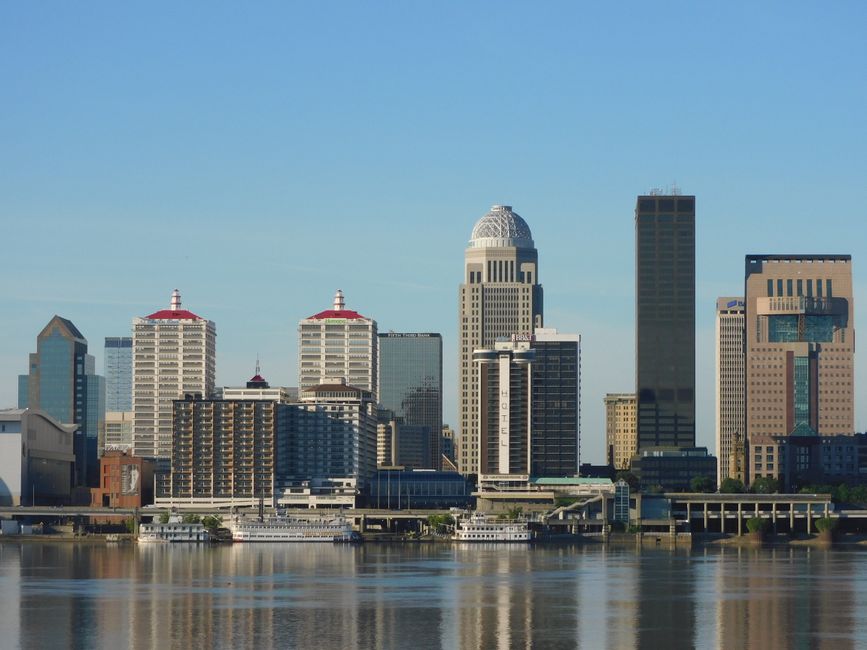
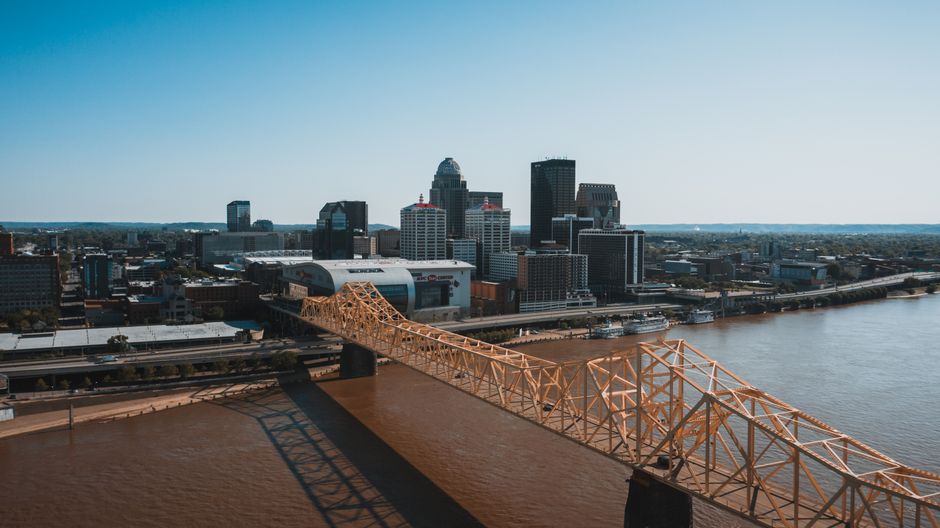
The Waterfront Park development is glossy and well-maintained, but it's also the default answer everyone gives when you ask what to do. It's fine. It's pretty at sunset. But it's not particularly distinctive—it could be any city's downtown revitalization project. The splash park is crowded in summer, the walking paths are crowded year-round, and there's a vaguely sterile corporate feel to the whole thing. You'll end up there because it's convenient, not because it's actually rewarding. Unless you specifically want to photograph the Big Four Bridge or sit on a bench with a coffee, skip the obligatory loop.
Fort Knox (the visitor center) gets shoehorned into a lot of Louisville itineraries, but it's legitimately underwhelming. The tour is heavily restricted for security reasons, and what you actually see is minimal. You're essentially paying to drive through a military base and see a few buildings from a distance. It's a 45-minute drive from the city, and there are far better uses of a half-day.
The Underrated Wins: Speed Art Museum
This is a genuinely good museum that doesn't get nearly the foot traffic it deserves. The Speed Art Museum has an unexpectedly strong collection—Egyptian pieces, contemporary work, photography, textiles—and it's the kind of place where you can actually spend meaningful time without feeling crowded or rushed. The building itself is beautiful, the admission is reasonable, and the staff seems genuinely invested in the collection rather than just managing a tourist spectacle.
I spent a couple hours here on a Tuesday afternoon and saw maybe a dozen other people. That's partly why it was so good. You can stand in front of something interesting without someone's elbow in your ribs. The African art section is particularly worth it, and the contemporary galleries rotate with work that's actually challenging and not just installational for Instagram. If you care at all about art beyond the famous names, this is where you should be.

The Neighborhoods Nobody Tells You About
Forget the standard downtown crawl. Head to the Butchertown area—it's genuinely charming in a way that feels accidental rather than designed. There are actual residents here, vintage shops that aren't trying too hard, and restaurants that are just good restaurants rather than concept restaurants. I wandered around for a Saturday morning and found myself in a used bookstore, then a coffee shop, then grabbing lunch at a place that had maybe four tables. It felt like I'd stumbled into someone's actual neighborhood, because I had.
BayIta, just south of downtown, is another one. It's got walkable blocks, interesting local business, and you see far fewer tourists. The vibe is more genuinely diverse—you're not in a theme park version of a neighborhood, you're in an actual, functioning place where people live and work and don't expect everyone to be a visitor.
Lesser-Known Bourbon Worth the Time
If you want a bourbon experience that doesn't feel like a factory tour, seek out New Riff Distillery. It's out in Bullitt County, about 30 minutes south of the city, and it's built in an old bottling plant. The tour is small-batch, actually informative, and the people running it seem genuinely interested in teaching you about distillation rather than selling you a branded tumbler. They'll walk you through the process, let you see the operation, and pour you actual good bourbon at the end. You might also hit Bardstown—it's further out, but if you're making a day of bourbon, there are several smaller operations there that are less crowded and more honest about what they do.
That said, if you're going to do one distillery, make it one you actually want to know about. Don't just collect the tourist checkbox.

The Quirky Stuff That Actually Works
The Louisville Slugger Museum Factory is aggressively themed, but it's weirdly fun. You get to make an actual baseball bat, see the factory floor, and there's something genuinely cool about a place that's still making the product it was founded on. It's not pretentious, it knows exactly what it is, and if you like baseball or manufacturing or just weird Americana, it works. It's also compact enough that you won't lose an entire day there.
The Waverly Hills Sanatorium, if you're into abandoned-building history, is worth a photo walk from the outside. You'll see it referenced a lot in paranormal circles, but historically it's just an old tuberculosis hospital. The architecture is genuinely interesting though, and it photographs well. Just respect that it's private property and approach accordingly.
The Food That Doesn't Need Hype
Skip the hot brown reenactment at the big hotels and find yourself at a neighborhood spot that's making it because it's good, not because it's a tourist tradition. Same with the fried chicken—Louisville has excellent fried chicken, but you don't need to go to a branded chain. Walk into a local spot, order what looks good, and eat it. Talk to whoever's behind the counter. That's when you actually understand a place.
The East Market District (Nulu) has gotten a lot of press lately, and some of it's justified. There are legitimate good restaurants, vintage shops, and galleries here. But go early or on a weekday if you can. Weekends are increasingly crowded with people doing the Instagram version of the neighborhood rather than actually being there.
The Real Louisville
Here's the thing about Louisville: it's a city that's trying to sell you a version of itself, but the actual place is better than the marketing. The derby obsession is real but narrow. The bourbon culture is genuine but gets flattened into a product experience. The waterfront is pretty but forgettable.
What's actually worth your time is walking around, talking to people, and finding the stuff that exists because it matters to locals, not because it matters to a tourism board. That's where you'll understand why people actually live here—and why you might want to stay longer than you planned.