
I landed at Memphis International on a humid afternoon in April, rental car keys in hand, with zero idea which neighborhood actually made sense for a solo traveler who wanted to avoid the tourist trap but still catch live music without driving thirty minutes. The city's not Vegas-big, which is both its strength and the problem—there's no one "downtown" vibe that dominates everything else. Instead, Memphis splits itself into pockets, each with its own rhythm, and picking the right one makes the difference between having a real trip and just seeing postcards.
After a week of driving loops through different areas, talking to locals at coffee shops and bars, and eating way too much barbecue, the neighborhoods started making sense. Some are absolutely for families or retirees. Others are legitimately rough around certain blocks but have pockets of real energy. And a few are the kind of place where you actually feel like you're living in Memphis, not visiting it.
Beale Street and Downtown: Where Tourists Land, and Why That's Not Entirely Wrong
Beale Street is Memphis's front door. It's loud, it's full of neon, and every bar has live music pouring out onto the sidewalk at 9 p.m. If you're only in town for a night and you want to hear blues without research, this is where you go. But here's the thing that nobody tells you: it's a corridor, not a neighborhood. You walk three blocks off Beale and you hit residential zones that empty out after dark. The bars are real—not theme parks—but the street itself is engineered for tourism.
Stay downtown if you're here for a conference, or if your idea of a perfect evening is live music within stumbling distance of your hotel. The Peabody Hotel is there, all that ducks-in-the-lobby stuff. There's good food, decent bars, and enough foot traffic that you don't feel weird walking around at night. But the residential neighborhoods around downtown are thin on the ground. It's more of a place to spend an evening than a place to actually stay for a week if you want to feel the city.
Midtown: The Actually-Walkable Part
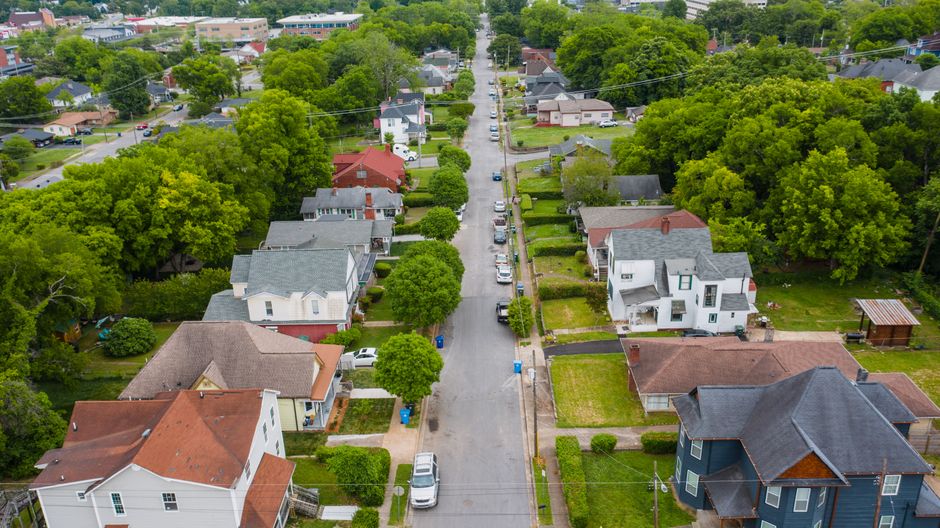
Midtown is where you go if you want density, restaurants, and the sense that something's actually happening on a given Saturday night. It runs roughly along Madison Avenue and Cooper, and it's got the kind of street-level energy that makes cities feel alive—coffee shops, boutiques, used record stores, enough bars that you can bar-hop without getting in your car. The Cooper-Young Historic District sits here, too, which is the neighborhood's heart.
The population skews young professional and graduate-school crowd. Families live here, but they're usually the childless-by-choice or empty-nest variety. Rent is higher than you might expect for Memphis, but it's still cheap compared to any other mid-sized American city. If you're planning to spend more than a long weekend and you want to actually walk places, Midtown is the strongest bet. The bars aren't tourist-focused, the food is genuinely good (not just "good for Memphis"), and you can get a coffee at 7 a.m. without searching for an open door.
The trade-off is that Midtown is gentrifying fast. Some longtime local spots have closed to make room for newer concepts. It's still authentic, but you're watching it transform in real time. That's not inherently bad—it means things are improving—but if you're romantic about neighborhoods, it can sting a little.
Germantown: The Suburban Family Anchor
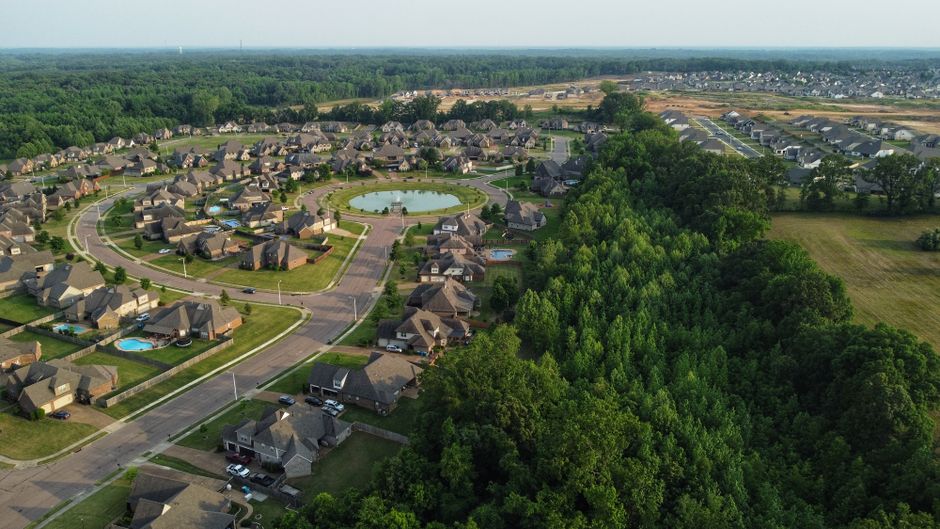
Germantown is about fifteen minutes east of downtown, and it's where Memphis's middle and upper-middle class goes to raise kids. It's got the things that neighborhood means: good schools, tree-lined streets, parks, chain restaurants alongside local ones, and a town square with farmers markets and holiday decorations. The pace is slower. The roads are wider. You see fewer nightlife advertisements and more minivans.
If you're relocating with a family or you're a retiree who wants walkability without the downtown hustle, Germantown is competent and stable. It's not thrilling, but it's reliable. The historic downtown Germantown area has some character—a real town center with local shops—and the rest fans out into residential blocks that genuinely feel safe and well-maintained. Housing prices reflect that appeal, so you're paying more than you would in rougher parts of Memphis, but less than you'd pay for equivalent space in a more established metro area.
For a solo traveler, Germantown makes sense only if you're here to work or if you want quiet and don't mind driving to entertainment. It's not where the energy is.

South Memphis: The Neighborhood with Layers
South Memphis is where the real Memphis lives, and it's also where the most caution applies. It's a large area with genuine character, serious music history, and blocks that range from well-maintained residential streets to genuinely unsafe territory depending on which block you're on. It includes neighborhoods like Whitehaven, and it's where a lot of the blues and soul music that made Memphis famous came from.
If you know someone who lives here, great—you've got context and connections. If you're a visitor without local knowledge, you need to be selective. Certain corridors, especially near historic sites or along main roads, are fine during the day. Others aren't. The cost of living is very low, which is why it appeals to artists and musicians and people with deep Memphis roots. But the infrastructure investment has been uneven, and safety varies wildly block to block. Don't avoid it entirely—that's both unfair and a missed chance to see the real city—but go with purpose and awareness, not just because rent is cheap.
Crosstown: The Frontier Play
Crosstown is the neighborhood that people point to when they talk about Memphis's comeback. It's roughly between downtown and Midtown, and it's got the bones of something interesting—historic architecture, lower prices than Midtown, independent businesses opening up alongside a lot of vacant space and properties still waiting for investment.
The vibe is in-between: not fully safe yet, not fully transformed. There's a small but real community of artists, younger entrepreneurs, and people betting on the neighborhood's upside. A few good restaurants have opened, and there's genuine neighborhood character in the architecture. But you'll also see boarded-up storefronts and blocks that feel empty. If you're the type of traveler who's interested in neighborhoods as they change, or if you're moving to Memphis and you want authentic and affordable, Crosstown has potential. If you want established infrastructure and street-level safety guaranteed, it's not there yet.
Visit Crosstown during the day, check out the spots that are actually open, and make your own judgment. The energy is real, but so is the reality that it's still transitional. That's not a moral failure—it's just what's true right now.
Cooper-Young: The Neighborhood Neighborhood
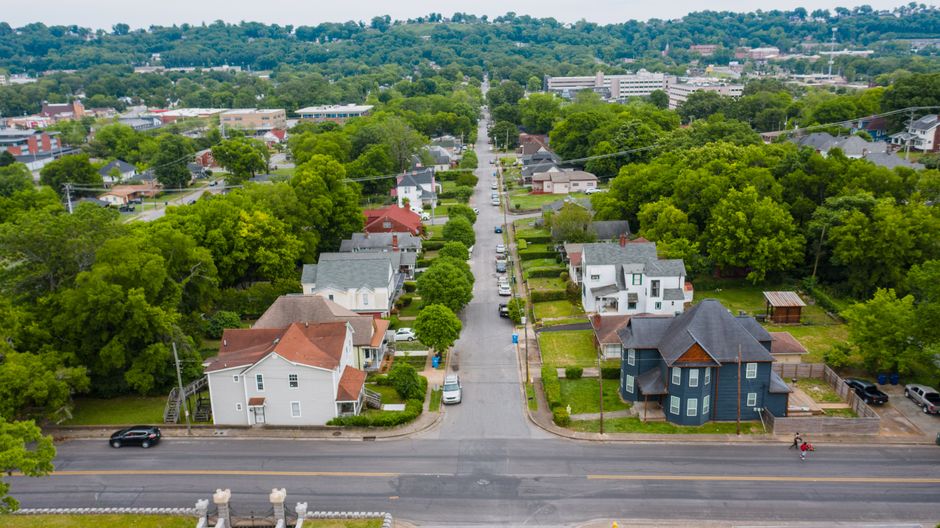
Cooper-Young sits south of Midtown and is the most cohesive neighborhood experience Memphis offers. It's got actual boundaries—roughly Cooper to Young Streets, roughly Southern to Poplar—and inside those bounds is a genuine community identity. The historic homes range from Victorian to Craftsman to mid-century, and a lot of them have been restored by people who actually wanted to live there, not flip them.
The bars and restaurants are neighborhood-level, not destination restaurants that draw from across the city. The festivals are community-driven, not branded entertainment. The demographics are genuinely mixed—young families, artists, longtime residents, empty-nesters, and a small but visible queer community. It feels like a place rather than a marketing zone. If you stay here for a weekend or a week, you can actually live in the neighborhood rather than touring it.
Housing is pricier than Crosstown but comparable to other parts of Midtown, and the neighborhood feels substantially safer than South Memphis or industrial Crosstown. For a solo traveler with a slightly longer timeline, or for someone actually moving to Memphis and wanting authentic community, Cooper-Young is probably the best bet. You can walk to restaurants and bars, there's actual street life, and the people who live here seem to actually want to be there.
The Real Talk on Safety and Vibe
Memphis has a crime problem, and downplaying that would be stupid and dishonest. But like every American city, it's nuanced. Certain neighborhoods are statistically much safer than others. Certain blocks within the same neighborhood can feel completely different depending on which side of a major street you're on. The most important thing is not which neighborhood you pick, but whether you're actually aware of where you are and following basic urban precautions.
Downtown and Beale Street have heavy police presence and constant foot traffic, which creates a controlled environment—not always pleasant, but relatively safe. Midtown and Cooper-Young are well-patrolled and populated enough that street crime is less common, though not nonexistent. Germantown is genuinely safe by any standard. South Memphis is where you need the most caution, but that doesn't mean avoid it entirely—it means go with intention and awareness. Crosstown is improving, but it's still transitional.
None of this changes the fact that Memphis is worth visiting, and several of these neighborhoods are actually excellent places to stay. You just need to be honest about trade-offs and know what you're getting into.
Frequently Asked Questions
What neighborhood in Memphis is best for young professionals
Midtown and Cooper-Young are the top choices for young professionals. Both have walkable streets, independent restaurants and bars, and job density. Midtown is larger and has more nightlife; Cooper-Young is more residential and community-focused. Both skew young professional in population and have the infrastructure to support that lifestyle without needing a car constantly.
Is downtown Memphis safe to walk around at night
Beale Street and the immediate downtown area have heavy police presence and constant crowds, which makes them relatively safe compared to many neighborhoods. But safety drops significantly once you move a few blocks away from the main entertainment corridor. Stick to well-lit, populated areas and use the same street smarts you would in any major city.
Which Memphis neighborhood is best for families
Germantown is the most family-oriented neighborhood with good schools, parks, and a town square atmosphere. Cooper-Young and parts of Midtown also work well for families, though they're more urban and walkable. These neighborhoods have lower crime rates and more family-focused amenities than downtown or South Memphis.
Where should I stay in Memphis for one night as a tourist
Downtown or Beale Street is the practical choice for a one-night tourist visit. Everything is concentrated, live music is immediate and abundant, and you can walk to most attractions without planning. If you want a slightly quieter but still central experience, the edge of Midtown closer to downtown is a good middle ground.
Which neighborhood catches your eye?



