
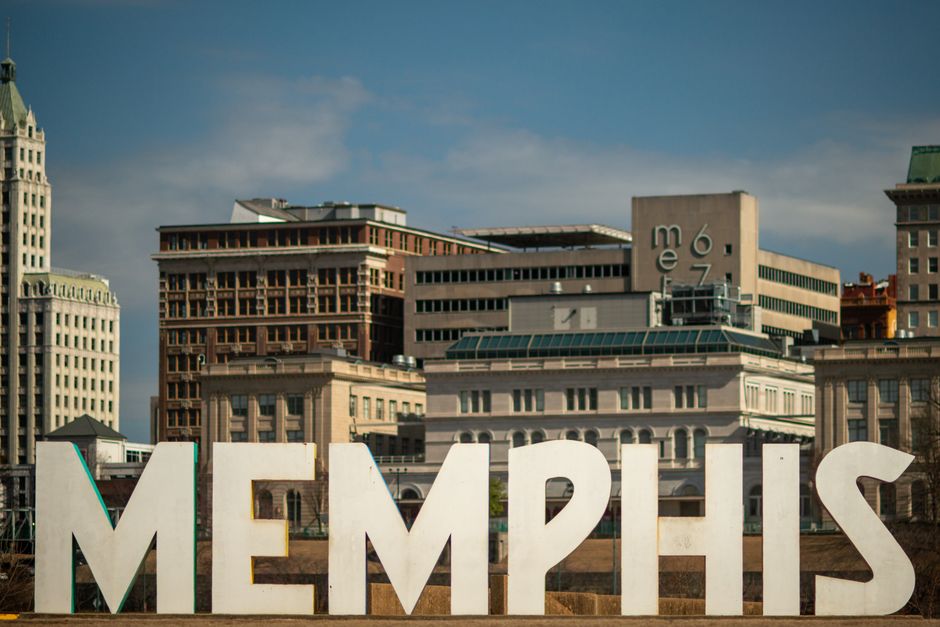
I landed in Memphis on a Tuesday afternoon expecting to spend three days ticking off the obvious list. Graceland, Beale Street, the pyramid arena thing, maybe the zoo. By day two I'd skipped half of it. Not because Memphis is boring—the opposite, actually. The city's best stuff isn't on the postcard, and once you notice that, the whole place recalibrates.
This isn't a contrarian take for its own sake. I'm not here to trash Graceland or claim Beale Street is terrible. Both are genuinely important to understanding this city. But they're also crowded, expensive, and often feel more like a performance of Memphis than the real thing. The Memphis that sticks with you isn't in the ropelines; it's in the neighborhoods, the smaller museums, the corners where tourists don't naturally drift.
Graceland Is Graceland—and That's Fine, Just Know What You're Getting
Graceland draws about 600,000 visitors a year. That number alone should tell you something. The mansion tour itself is competent: you'll learn facts about Elvis, see his gold records, walk through rooms frozen in 1970s excess. If you're an Elvis completionist or traveling with someone who is, go. But if you're casually curious about the King, the crowds, the audioguide shuffle, and the $45 entry fee might feel like a lot for what amounts to a respectful museum experience in a home that never quite feels like a home anymore.
The worst part isn't the price or the crowds—it's the framing. Graceland marketing sells you the romance of a rock legend. What you get is careful curation of a very rich man's décor choices. His cars are cool. His jumpsuits are tacky in the exact way you'd expect. But I found myself more moved by the small things: the photos of him as a young man, the evidence of a guy who genuinely loved his mother. Those moments happen between the audioguide stops, not because of them.
If you're set on Elvis, the graveside is free and genuinely quieter. The nearby Elvis Presley Plaza has some decent context without requiring a museum ticket. Save your money and your afternoon for something that'll surprise you.
Beale Street: Tourism's Greatest Hits Album
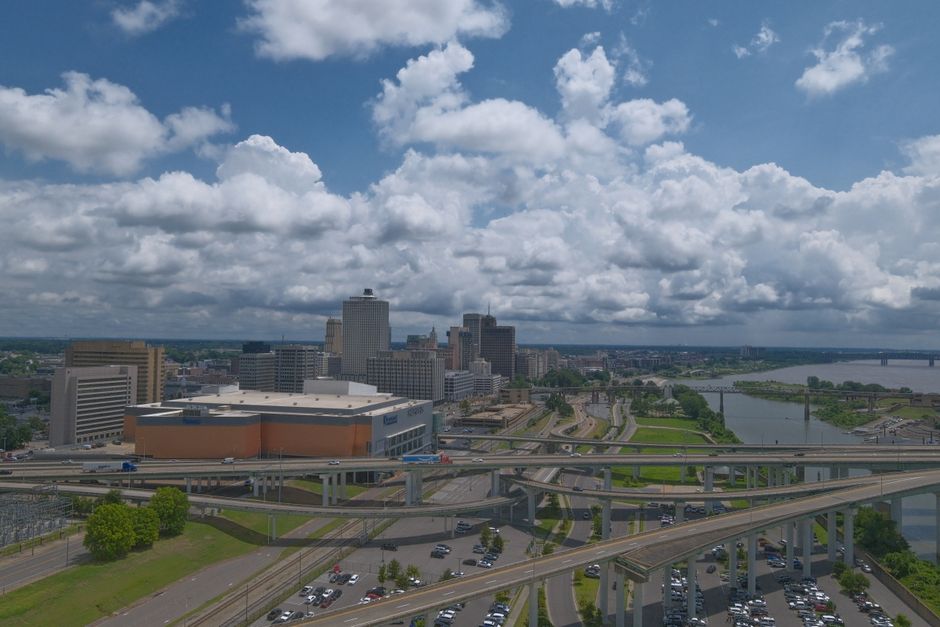
Beale Street is where Memphis blues actually happened—in the 1920s and '30s. Now it's where blues tribute bands play for bachelorette parties. It's not fake, exactly. The street is real, the music is performed by actual musicians, and the history plaques on the buildings are accurate. But it's also intensely curated, corporatized, and loud in a way that feels more like a theme park than a neighborhood.
You'll find good music there, sure. But you'll find it alongside $18 hurricanes, tourist shops selling Elvis hats, and crowds so thick on weekend nights that moving becomes negotiation. The whole thing has the faint exhaustion of a place aware of its own importance and charging accordingly.
If live music is what brought you to Memphis, Beale Street is unavoidable and probably worth an hour. Just don't expect to fall in love with it. And don't spend your whole evening there when other parts of the city are quieter and stranger.
The Real Surprises: Why St. Jude's Story Changes Everything
St. Jude Children's Research Hospital doesn't advertise itself as a tourist destination. It's not. But the tour—which is free—might be the most honest hour you spend in Memphis. The hospital is staggering: a sprawling medical campus where childhood cancer research happens every day, funded by Danny Thomas's vision and the generosity of people who saw a need and filled it.
The tour walks you through the research labs, the patient floors (kids are around; it's not a museum), the history of what St. Jude has accomplished. No marketing gloss. No gift shop. Just the straight fact that this institution has fundamentally changed survival rates for kids with certain cancers, and it does so without billing families for treatment. In a city obsessed with its own legend, St. Jude is quietly saving lives.
You'll leave less impressed by Elvis's car collection and more reminded why Memphis, for all its complicated history, is a place where someone decided to build something that matters. The parking is easy. The staff is kind. And you'll understand more about the city's character in that one visit than you'll absorb walking Beale Street a dozen times.

Overton Park: Where Memphis Actually Breathes
Overton Park is 342 acres of green space in the middle of the city, and almost nobody who visits Memphis goes there. The zoo is inside it, and the zoo draws crowds, but the park itself—the trails, the lake, the scattered oak trees—is quiet. On a weekday morning it feels like you've discovered Memphis before tourists did.
The park's real draw is the Brooks Museum of Art, a small classical building with a collection that punches above its weight: a strong American section, some serious contemporary work, and the kind of European paintings you'd expect to find in a much larger city. Admission is free, and you'll often be the only person in whole rooms. That quiet is rare and valuable in a city that's learned to monetize most of its attractions.
Walk around after the museum. The park has paths that follow natural topography, little neighborhoods of trees, a duck pond that feels genuinely peaceful. In summer the grass is aggressive green. In fall the light through the oaks is soft and amber. It's the opposite of Graceland's controlled environment—it's a place where the city doesn't try to be anything but itself.
The South Main Arts District: Where Memphis Is Actually Making Things
South Main is the old downtown warehouse area that's been slowly colonized by artists, galleries, restaurants, and studios. It's not undiscovered anymore—locals know it, and weekends bring crowds—but it's still genuinely independent in a way Beale Street stopped being years ago. Walk down Main Street and you'll see art galleries that aren't selling Elvis memorabilia, restaurants that were opened by people who actually cook, and studios where artists work during gallery hours so you can watch them.
The neighborhood has a living, working feel that makes sense. There's no single "attraction" to check off—instead there's the walk itself. A gallery with work by local sculptors. A bakery that uses local flour. A coffee shop in a 1920s building where people actually sit and work. A taco stand. A vintage bookstore. The things that actually constitute a city and a culture.
Python & Parakeet is a good example: it's a bar and music venue that books mostly local acts and feels like a place people go because they like the place, not because it's on a list. Earnestine & Hazel's, a few blocks over, is a bar and burger joint housed in what was once a brothel and health clinic, and somehow that casual history lives in the space without being exploited. You won't get a curated history lesson here. You'll just experience what living in a city with character actually feels like.

The Cooper-Young District: Neighborhood, Not Attraction
Cooper-Young is a residential neighborhood about a mile east of downtown—Young Avenue and Cooper Street intersecting in what feels more and more like Memphis's actual center for younger residents and families. It's not trying to be a tourist zone. The vintage shops, coffee spots, and second-hand bookstores are there because people live nearby and need them.
This is where you eat. Cooper-Young has better food density than downtown: a Korean spot that's genuinely good, a wine bar run by actual enthusiasts, a restaurant in a converted house where the owner cares about sourcing and technique. No tourist markup. No obligatory live music. Just food cooked well for people who care about eating well.
Walk the neighborhood on a Saturday morning. See families at the coffee shop, people hauling vintage finds from the thrift stores, the actual texture of how people live in Memphis. It's less photogenic than Graceland and more honest about what the city is. If you're staying more than a day, this is where you'll end up spending your best meals and your calmest hours.
Sun Studio and the National Ornament Factory: Two Sides of Memphis Music
Sun Studio is iconic: the place where Elvis, Johnny Cash, and Jerry Lee Lewis all recorded. The tour is well-done, reverent, historically accurate. But it's also become a pilgrimage site, which means crowds, a gift shop, and a vibe that can feel more like church than music venue. You're paying $16 to stand in the same room where genius happened, and the weight of that history is palpable and a little exhausting.
The National Ornament Factory is a junk shop on Summer Avenue run by a guy named Richard who deals in, loosely, ornaments and curiosities. It's got nothing to do with music and everything to do with how Memphis sounds. It's a place where music city exists as lived reality rather than heritage tourism—the kind of spot that exists because someone loves collecting things and decided to let other people in. That's the spirit that made Memphis matter in the first place. Not the official story, but the actual work of people building something for its own sake.
If you want Sun Studio's story, take the tour. It's worth it. But balance it with places like the Ornament Factory, or the record shops in South Main, or any of a dozen spots where people are still making and collecting without needing a plaque or a tour route to justify it.
The Verdict: Skip the Highlights, Find the Texture
Memphis's problem isn't that its famous attractions are bad. It's that they're famous in a way that crowds them out. Graceland is worth seeing if you care about Elvis. Beale Street has real history and real music. Sun Studio's importance is undeniable. But Memphis itself—the living, breathing, working city—exists in the spaces between these attractions.
Spend one day hitting the big stuff if obligation demands it. Then spend the rest of your time in Overton Park, in South Main's galleries, in the neighborhoods where people actually live. Eat in Cooper-Young. Take the St. Jude tour because it'll remind you why cities exist. Walk around without a list, because that's where Memphis will actually tell you something true.
Frequently Asked Questions
Is Graceland worth visiting in Memphis?
If you're a devoted Elvis fan or need to see it for personal reasons, yes—the tour is well-done and historically accurate. But expect crowds, a $45 entry fee, and a curated museum experience rather than a genuine home. If you're casually curious, the free graveside visits and Elvis Presley Plaza offer context without the tourist infrastructure. Most people find it competent but not transformative for the cost and time required.
What's better than Beale Street in Memphis?
South Main's art district and Cooper-Young neighborhood offer more authentic music and food scenes without the heavy tourism. For live music specifically, spots like Python & Parakeet book local acts in a neighborhood setting rather than the theme-park atmosphere of Beale Street. St. Jude and Overton Park offer genuinely different perspectives on what Memphis actually is, beyond entertainment tourism.
Is Memphis worth visiting if you don't like Elvis?
Absolutely. The city has St. Jude Children's Research Hospital, significant civil rights history (the National Civil Rights Museum), strong neighborhoods like Cooper-Young and South Main with excellent food and galleries, and genuine natural beauty in Overton Park. Elvis is one part of Memphis's story, not the whole thing. The city rewards visitors who explore beyond the famous attractions.
What should I actually do in Memphis for 2-3 days?
Day one: St. Jude tour (free, deeply moving) and Overton Park's museums and trails. Day two: South Main galleries and Python & Parakeet for dinner and live music. Day three: Cooper-Young neighborhood for eating and walking, maybe a quick Beale Street evening if you want the experience. This gets you the real city rather than just the postcard version. Add Graceland or Sun Studio only if you specifically care about those histories.
Which one would you visit?



