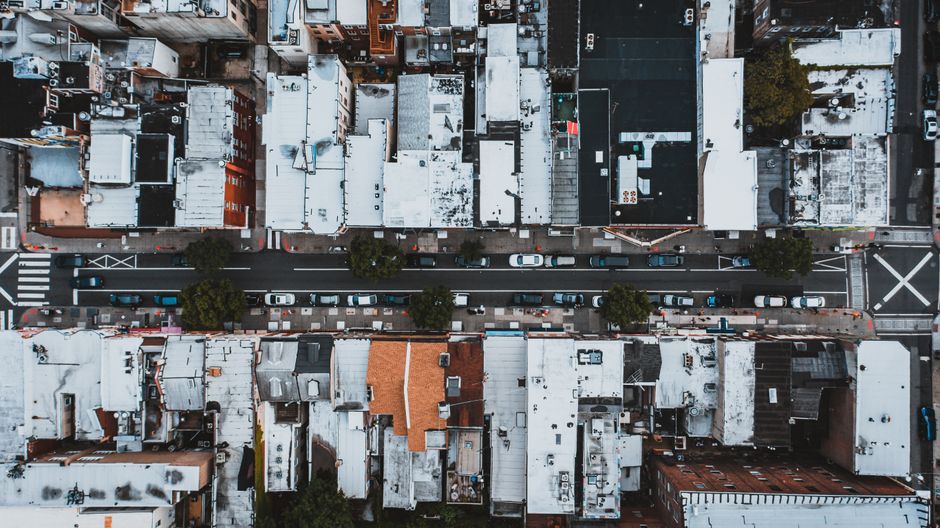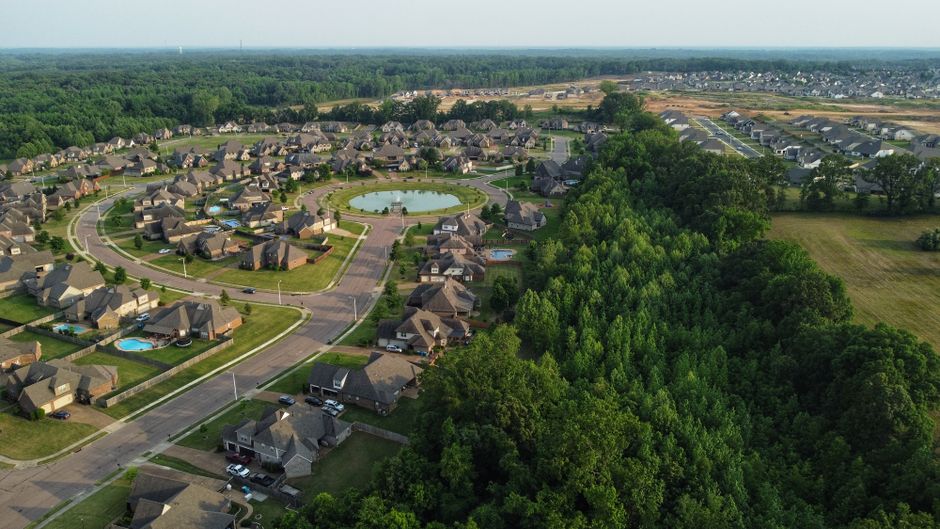
I arrived in Memphis on a humid August afternoon, pulled off I-40, and immediately felt the city's gravitational pull. Not the postcard version—the real one. The Mississippi River isn't what draws you in first. It's the neighborhoods, the way each one has its own rhythm, its own crowd, its own reasons for existing.
Memphis isn't one place. It's a collection of them, stitched together loosely by music history and BBQ smoke. Depending on who you are and what you're after, some neighborhoods will make sense for you immediately. Others will feel like somebody else's city. I spent enough time walking these streets to know the difference.
Downtown: If You Want the River and the Action
Downtown Memphis sits right on the bluff, and that's the whole appeal. The Mississippi River Walk, Beale Street, the Peabody Hotel—these are the tourist anchors, and they're real. The lobby with those famous ducks walking across marble? It happens every day at 11 a.m. and 5 p.m., and it's genuinely weird in the best way.
Who lives here now is mostly young professionals and couples without kids yet. The Bartlett, One Beale, and other converted lofts have brought some residential energy back after decades of decline. Renting or buying downtown is expensive by Memphis standards—think $1,500 for a decent one-bedroom apartment, $400,000+ for a condo. You're paying for proximity to everything and walkability, which is real. You can eat, drink, hear live music, and walk back to your place without a car most nights.
Beale Street itself is tourist central. It's loud, crowded on weekends, and authenticity is thin on the ground. Real Memphians mostly avoid it now, which tells you something. But the surrounding blocks have character. The South Main District, technically its own neighborhood but blended into downtown in people's minds, has galleries, vintage shops, and restaurants that feel less manufactured. If you're visiting for three days and want to experience what Memphis tourism actually is, downtown is unavoidable. If you're moving here to live, rent downtown for a month first. Some people love it; most eventually migrate elsewhere.
Midtown: The Educated, Artsy Sweet Spot
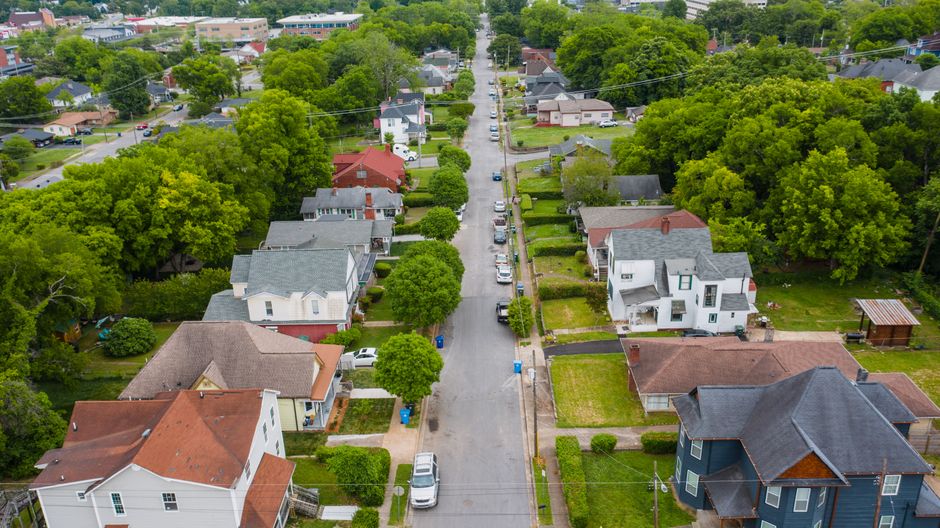
Midtown is where people with degrees and opinions tend to cluster. Cooper-Young is technically part of Midtown, but I'm separating them because the vibe differs enough to matter. The Midtown core—around Madison Avenue, Overton Square, the University of Memphis area—attracts artists, academics, and professionals who want walkability without downtown's tourist overlay.
You've got vintage record shops, coffee places that take themselves seriously, restaurants run by people who actually cook. The Broad Avenue corridor has become increasingly cool over the past decade. Renting here runs $1,200 to $1,600 for a two-bedroom. Houses are more affordable than downtown, and you get actual space. The neighborhood isn't pristine. There are boarded storefronts alongside new breweries and galleries. It's real-world gentrification playing out in real time.
Midtown suits young professionals, grad students, creative types, and people who want an urban feel without commuting. Families with kids are starting to move in, though schools remain a consideration. The vibe is progressive, diverse, and self-consciously hip in a way that can feel forced if you're not wired that way. If you prefer wine bars and book clubs to sports bars, you've found your place.
Cooper-Young: Vintage Everything and Young Families
Cooper-Young sits south of Midtown proper, and it's become the neighborhood for people with kids and taste. The Cooper-Young Historic District has charm—wide streets, bungalows from the 1920s, the kind of houses that make you believe in neighborhood character. Renovation is ongoing, visible, obsessive. Young parents have moved in, renovated, planted gardens, and suddenly the place has energy you can feel.
There's a farmers market on Saturdays. Coffee shops and casual restaurants that work for both date nights and Sunday mornings with toddlers in tow. The neighborhood association is active in the way that either saves a place or gentrifies it—sometimes both at once. Pricing has risen accordingly. A three-bedroom house might run $350,000 to $500,000, depending on condition and how far along the renovation is. Rentals are scarcer here but possible.
This neighborhood is for young families who want urban walkability, or singles and couples who like the idea of stability and community without moving to the suburbs. Schools are better here than in other inner-city areas, though still not stellar by suburban standards. If you're considering Cooper-Young, visit on a Saturday morning and see if the vibe matches who you are. Some people find it wholesome; others find it exhausting.
South Main: The Gritty Creative Neighborhood
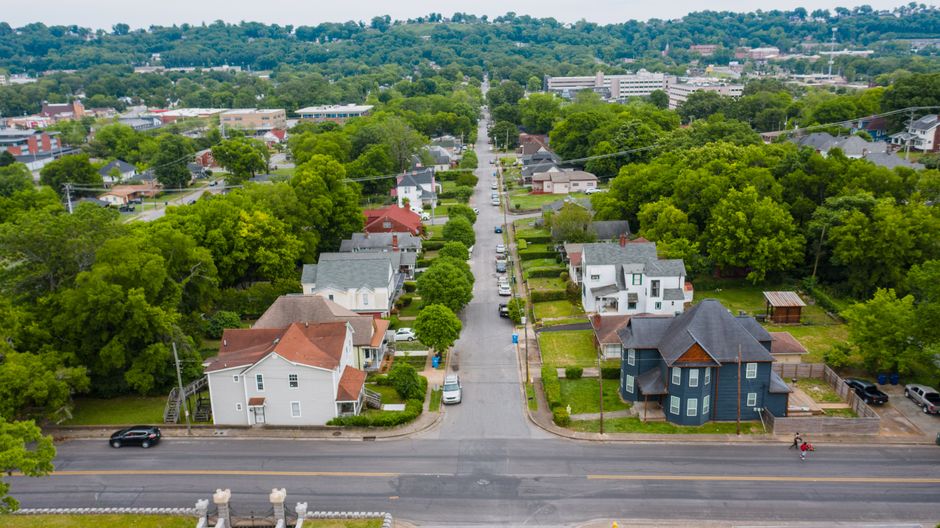
South Main used to be empty warehouses and abandoned storefronts. Now it's galleries, studios, lofts, and the kind of restaurants opened by people who arrived in Memphis specifically to open a restaurant. The transformation happened faster than similar areas in other cities, partly because land was cheap and partly because Memphis has always had a certain anything-goes energy.
Artists and small-business owners moved in. It worked. The neighborhood actually feels alive in a way that feels earned rather than manufactured. Trolleys run through here. There are bars with character. You'll overhear conversations about art openings and zoning disputes. The South Main Arts District is the official name, though locals just say South Main.
Rent is lower than Midtown or Downtown, though rising fast. The neighborhood skews young, creative, and somewhat transient—people move here for the scene and move on when life changes. It's not family-oriented, though young couples are moving in. It's not polished or safe in a pristine way; it's real. If you're looking for authenticity and don't mind some rough edges, South Main has it in abundance. Just go with your eyes open about what "authentic neighborhood revival" actually means in practice.
Germantown: The Prosperous Suburb (Without Leaving Memphis)
Germantown sits just east of Memphis proper, technically its own city, but functionally part of the metro area. It's where middle-class and upper-middle-class families with school-age kids settle. Good schools, safe streets, shopping centers, and room to breathe. If you're moving to Memphis because of a job and you have kids, Germantown is probably in your calculation.
The houses are newer, bigger, and costlier. Expect $350,000 to $600,000+ for a good four-bedroom. Restaurants are chain-heavy, though some local spots exist. Traffic is an issue, especially during school pickup times. The neighborhood is pleasant and boring in equal measure. It's not a bad choice; it's just a different choice. You're trading urban walkability and cultural vitality for safety, good schools, and predictability.
Germantown suits families who want to maximize school quality and safety, retirees who want a manicured environment, and professionals who commute but want their home life stable. If you're single or childfree and considering it, ask yourself honestly whether suburban shopping centers and chain restaurants are what you came to Memphis for. For those they suit, though, it's genuinely solid.
Broad Avenue / High Point Terrace: The Overlooked Emerging Area
Broad Avenue runs through several neighborhoods but has developed its own identity over the past five years. You'll find new coffee shops, small galleries, and restaurants that represent genuine neighborhood investment rather than developer-driven revival. High Point Terrace, which borders Broad, is residential and quieter, with some genuinely beautiful historic houses at prices still lower than Cooper-Young or Midtown.
This area is for people who want the creative energy of South Main or the walkability of Midtown but haven't discovered Broad Avenue yet—which means it's for people who enjoy finding things before they're obviously trendy. Prices are climbing, but they're not there yet. A two-bedroom rental might run $1,100 to $1,400. Houses are more affordable than nearby established neighborhoods.
It's less polished than Cooper-Young, less bohemian than South Main, less corporate than Midtown. That makes it appealing to people who fall between categories. The trade-off is that services and restaurants are still building. You're buying into potential. For some people, that's exciting. For others, it means eating at chains while you wait for the neighborhood to finish becoming whatever it's becoming.
Making Your Choice
Memphis neighborhoods aren't locked into their identities. South Main will probably become more expensive and less edgy. Cooper-Young might gentrify further or stabilize. Broad Avenue is still being written. Downtown keeps reinventing itself. The neighborhood that suits you now might not suit you in five years.
Visit each place. Walk around on a weekday and a Saturday. Eat somewhere local. Talk to people who actually live there. Don't rely on guidebooks or websites that describe neighborhoods with the same adjectives they use for everywhere else. Each of these places has a real character, shaped by who's chosen to live there and what they've chosen to do.
Memphis isn't a trendy city trying to rebrand itself as cool. It's a real city with real neighborhoods where real people have settled for reasons that make sense to them. Figure out which neighborhood's version of real matches yours, and you'll understand Memphis faster than most tourists ever will.