

I rolled into Memphis on a humid afternoon, stayed three days, and realized the city itself doesn't need a full week if you're curious about what's beyond the main drag. Sure, Beale Street has its charm and Sun Studio still gives you chills, but I found myself itching to see the actual region — the river towns, the forests, the places where people actually live. Memphis is positioned weirdly well for day trips. You're close enough to Arkansas, Mississippi, and the rural heart of Tennessee that a two-hour drive gets you somewhere genuinely different.
I spent a week poking around the surrounding area on short drives, and I'm passing along what actually stuck with me — not Instagram moments, just places that felt like they mattered to the people living there.
Clarksdale, Mississippi (about 70 miles south, 90 minutes)
Clarksdale is the real deal if you care about blues history. It's not polished. The main drag has empty storefronts and weathered brick buildings, which is exactly why it feels honest. The Delta Blues Museum is housed in the old railroad depot, and it's small enough that you can actually read the exhibits and absorb something instead of speed-walking through a tourism factory.
The bigger draw for most visitors is the juke joints. Ground Zero is the most famous — it's a former blues club turned venue that hosts live music most weekends. It's touristy by Clarksdale standards, sure, but the music is genuine and the atmosphere beats anything you'll find packaged for visitors elsewhere. If you time it right, you'll catch local or traveling blues musicians. Off-season (summer gets brutally hot and quiet), the place feels a bit emptier, but fall and spring are solid. The town itself is walkable if you park downtown, and there are a few decent cafes and restaurants that have opened in the last few years catering to the music-tourist crowd.
Go in the afternoon, spend two to three hours exploring the museum and walking around, then stay for evening music if there's a show. You'll be back in Memphis by 11 p.m. best case. Spring (March–May) and fall (September–November) are ideal — summer humidity is brutal, and winter can feel desolate.
Germantown and Collierville: Historic Suburban Escapes (20-30 minutes east)
These aren't wild adventures, but they're legitimate easy day trips, especially if you have kids or want to spend a few hours away from downtown without going far. Germantown, Tennessee, is a wealthy suburb with a well-preserved historic district centered around the town square. It's quieter than Memphis, prettier in an upper-middle-class way, and good for a walk and lunch. The square has local restaurants and shops, and the architecture is genuinely interesting if you notice that kind of thing.
Collierville is similar in vibe but slightly more charming — slightly older, slightly less manicured. The main drag has actual character and a few good eating spots. Neither place is a destination on its own, but if you're burned out on Memphis or want a slower afternoon somewhere nearby, they work. Both are best in spring or early fall when you can actually walk around comfortably. Don't expect anything beyond a pleasant few hours.
Reelfoot Lake State Park (about 80 miles north, 90 minutes)
Reelfoot Lake is genuinely weird in the best way. It's a shallow, cypress-studded lake in northwest Tennessee that exists because of a massive earthquake in 1811 that literally reshaped the land. The park is huge — about 25,000 acres — and it's mostly undeveloped, which means it feels remote even though you're not that far from civilization.
People go for fishing and bird-watching, especially in winter and early spring when migratory birds fill the lake. I'm not a serious birder, but even I found the sight of hundreds of bald eagles in December worth the drive. You can rent a boat if you want to be on the water, or just walk the trails and the boardwalks that wind through the cypress swamp. The main attraction is the landscape itself — it's one of the few places near Memphis where you feel like you're actually in nature, not just visiting a park.
The park has a small visitor center with exhibits about the earthquake and the ecology of the lake. Go in winter if you want the eagle spectacle, or in spring (April–May) when the cypress trees are greening and the water is alive with wildlife. Fall is also solid. Summer is hot, humid, and buggy — you can go, but why would you. Pack bug spray regardless of season.

Fulton County, Kentucky: Rural Mississippi River Towns (90-110 miles northwest, 2 hours)
Hickman and Fulton are small river towns in Kentucky right on the Mississippi, and they have an authenticity that feels increasingly rare. You're looking at towns that time forgot in some ways — old brick buildings, nearly empty downtown squares, a sense that these places made their money a hundred years ago and have been quietly declining since. That sounds depressing written out, but it actually feels peaceful and honest.
Hickman is right on the river, and there's a riverside park where you can sit and watch the water. The Fulton County Museum covers local history, and there are a few antique shops and old structures worth poking through. Nearby Fulton has a similar vibe. The appeal here isn't attractions — it's the experience of being somewhere that tourists haven't smoothed over. You get a real sense of what small-town America in this region actually looks like, with all its economic struggles and stubborn persistence.
Go in spring or fall. The drive up is pretty, the towns are quiet, and you can grab lunch at a local diner and chat with people who've lived there their entire lives. It's the kind of day trip that doesn't photograph well but leaves an impression. Winter can be gray and empty feeling; summer is hot with little reason to linger. Budget three to four hours here, including drive time.
Shiloh National Military Park (90 miles east, 90 minutes)
Shiloh is one of the most important Civil War battle sites in the country, but it doesn't feel like a typical tourist monument. The park is massive — over 4,000 acres — and most of it is undisturbed landscape where you're walking the actual ground where the battle happened. The visitor center has exhibits and a good film, but the real experience is driving or walking the battlefield trails.
It's heavy stuff. If you care about Civil War history or American history at all, Shiloh is worth the drive. Even if you don't, the landscape itself is peaceful and contemplative in a way that feels earned — there's weight to the place. You can easily spend three to four hours here walking trails and sitting in the quiet. The park includes a cemetery with thousands of graves, which adds to the gravity of it.
Go in spring (March–May) when the park is green and you're not melting, or in fall. Winter is fine if you don't mind the cold. Summer is hot and mosquito-heavy. The park is open year-round, and admission is free. It's a worthwhile half-day trip, though you'll need the full two-hour drive each way.
Logistics and Honest Talk
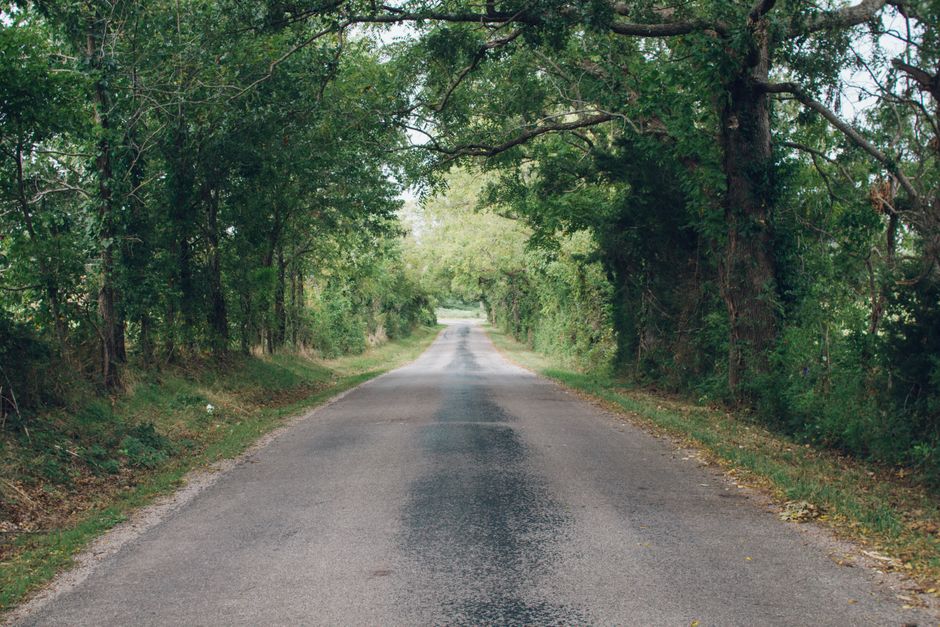
If you're staying downtown Memphis, plan on 30 minutes to an hour just to get out of the city proper, depending on traffic and your destination direction. Shiloh and Reelfoot Lake require the most driving but reward it. Clarksdale is the closest "destination" with real character. Germantown and Collierville are good if you want to stay closer or if you're taking someone who doesn't want a full road-trip day.
Bring your phone charged and maps downloaded if you're going anywhere rural — cell service isn't guaranteed. Gas up before you leave Memphis or in smaller towns early; rural gas stations can be sparse. Most of these places aren't expensive, but they're not set up for the kind of dining or shopping you get in Memphis, so manage expectations.
The truth is, Memphis is worth a few days on its own, but it's also worth a few half-days exploring the region. The Mississippi Delta and rural Tennessee are the actual context for understanding Memphis — the music, the culture, the economy. These day trips aren't luxurious or convenient, but they're real. That's usually the trade-off worth making.



