
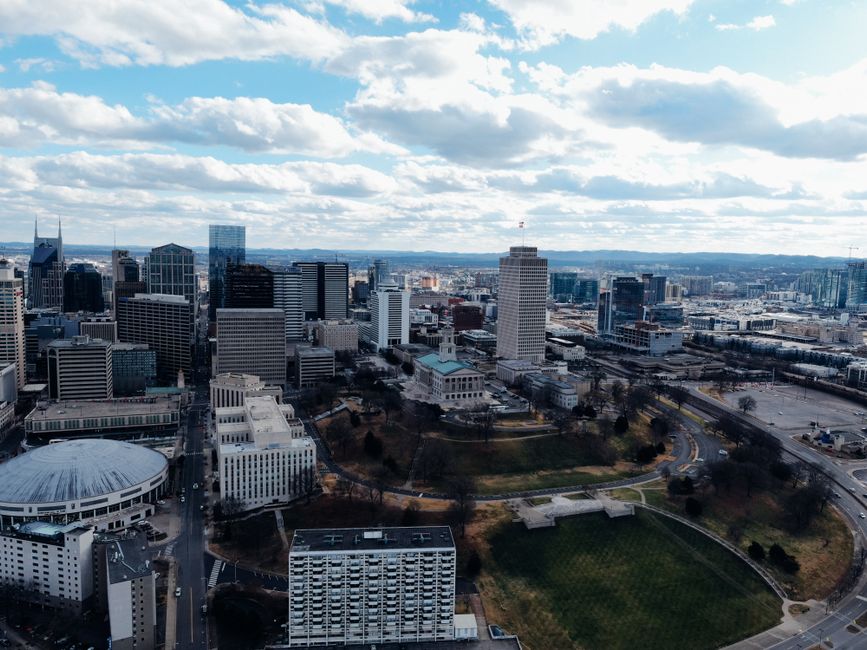
I landed at BNA on a humid June afternoon and spent my first hour stuck on I-40, which taught me lesson one about Nashville: the highways are congested and confusing. But once I ditched the rental car and walked around, I understood why people actually choose to live here instead of just passing through for the Ryman or Honky Tonk Central. The city's neighborhoods are where the real story lives—each one has its own rhythm, its own crowd, its own reason to exist.
Nashville isn't a walking city in the traditional sense, but it's a neighborhood city. Where you stay matters. You're not just picking a hotel; you're picking the texture of your days here. After spending time in five or six different areas over multiple visits, I can tell you which ones work for which kind of person.
East Nashville: Where Locals Actually Go
East Nashville—the area east of the Cumberland River, loosely bounded by Ellington Parkway and I-440—is where creative types and young families have been migrating for the past fifteen years. It's gentrified significantly, but it hasn't turned into a generic downtown clone. You still see vintage shops, dive bars, and restaurants that feel like they're run by people who care.
Main Street and Five Points form the spine. You've got Bongo Java, the original coffee shop that's been around since the '90s, and places like The 5 Spot for live music that doesn't require a $25 cover. The residential blocks around here have bungalows and modest Victorians that young professionals have been slowly restoring. It's not cheap anymore, but it's more affordable than The Gulch and less touristy than Broadway.
This neighborhood works best for visitors who want to eat and drink like locals, not tourists. If you're a new resident under 40, especially creative or in the music industry, you'll probably end up here eventually. Families with kids like it too—good schools, walkable blocks, less chaos than downtown. The foot traffic can get sketchy after dark on certain blocks, and parking is a perpetual annoyance, but it's a real neighborhood, not a constructed experience.
The Gulch: For Business Travelers and Convenience
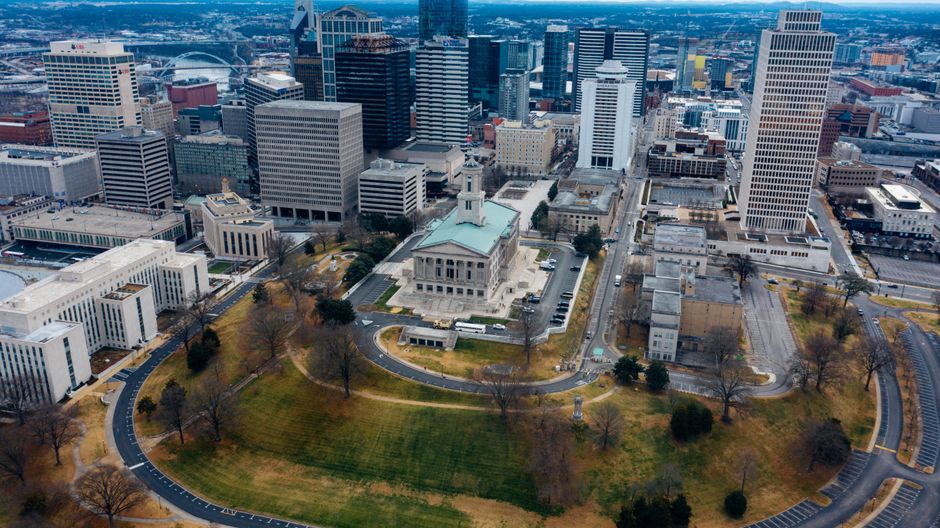
The Gulch is the shiny new Nashville that didn't exist ten years ago. It's basically a vertical neighborhood of high-rises and mid-rise mixed-use buildings crammed onto what used to be railroad yards, just south of downtown. Walk down Main Street in The Gulch and you'll see everything you need within a few blocks—restaurants, bars, gyms, grocery stores, hotels.
If you're here for a conference, staying at one of the hotels and spending your evenings on the restaurant patios, The Gulch is efficient. It's climate-controlled, well-lit, and full of young professionals and tourists. But it doesn't have much character. Every third restaurant is either a chain concept or a place that could exist in Denver or Austin just as easily. The nightlife is loud and liquor-focused. The whole area feels like it was designed by algorithms optimizing for foot traffic and profit margins.
Good for: business travelers who want convenience, tourists who don't mind shelling out premium money for a controlled experience, people who like to be surrounded by other people doing similar things. Skip it if you want Nashville to feel like Nashville. Most established residents avoid it except for specific restaurants.
Germantown: Quiet Character on the North Side
Germantown is the neighborhood that feels like it should be trendier than it is. Wedged between East Nashville and downtown, it's a small grid of late-1800s houses, many with original detail, quiet tree-lined streets, and a few good restaurants and coffee shops scattered around. You can actually hear birds here.
Jeff's Meat Pies and The Hermitage Cafe anchor things. There's a record store, some antique dealers, a bakery. It's the kind of place where you see people on their front porches and actually feel like a neighborhood still exists. Prices are still reasonable compared to East Nashville, though they're climbing. The main commercial stretch runs along 5th Avenue North, which has real bones to it—nothing feels aggressively new or desperate for your attention.
Germantown suits retirees and remote workers who want to be close to the city but actually live quietly. It suits couples who've already done the downtown nightlife phase. It's not ideal for solo travelers or people who want walkable restaurant scenes, because you really do need a car to get around. But if Nashville is supposed to be home, not a three-day itinerary, Germantown feels like you're actually living in a place rather than participating in a scene.

Sylvan Park: Families Who Want Stability
Sylvan Park sits west of downtown, roughly bounded by Whites Creek Pike and Charlotte Avenue. It's been a stable family neighborhood for decades, and unlike some of Nashville's hipper areas, it's not trying to reinvent itself. You see kids on bikes, you see people who've lived in the same house for twenty years, you see established restaurants that aren't chasing trends.
The neighborhood has good schools, which is probably why families end up here. Sylvan Park is also where you'll find more affordable housing than in East Nashville or Germantown, especially if you're buying. It's not trendy—there's no Instagram-worthy brunch scene or vintage boutiques designed for social media. But that's kind of the point. It's solid, predictable, and it works. JJ's Market is a local grocery store that's been around forever. Caper's Cafe is the kind of spot where regulars sit at the same table every morning.
This is where to settle if you have kids, or if you're tired of young-person neighborhoods and want your evenings to be quiet. Visitors rarely stay here, which means the neighborhood feels lived-in and normal. It's west enough that you're a bit removed from the downtown core, so if you want to go out, you're planning for it rather than wandering out for a casual night. The trade-off is peace.
Green Hills and Belle Meade: Comfort and Separation
Green Hills is where money lives, south of downtown near the Belle Meade Country Club. It's the version of Nashville for people who want upscale restaurants, high-end shopping, and residential streets that feel professionally landscaped. The Mall at Green Hills is here, which tells you something about the vibe. Restaurants range from chains to things with real ambition. People here are not struggling with rent.
Belle Meade, the historic neighborhood just north, is where antebellum estates sit behind gates and horses graze in fields that somehow still exist within the city limits. Belle Meade is almost a different city—very beautiful, very exclusive, disconnected from the downtown energy. Some of the old plantation estates have been turned into museums, which are worth visiting.
Both areas are good for wealthy retirees, corporate relocations, and people who want to be in Nashville's gravity but not in its chaos. They're not great for solo travelers or people who want to experience how the city actually feels. Visiting here means you're seeing a Nashville that's more about comfort and separation than engagement. The restaurants are good, the shopping is easy, but the neighborhood character is manicured. If you're new to Nashville and you end up in Green Hills, you're probably not going to fall in love with the city itself—you're going to fall in love with a comfortable version of wealth.
The Nations: Still Evolving
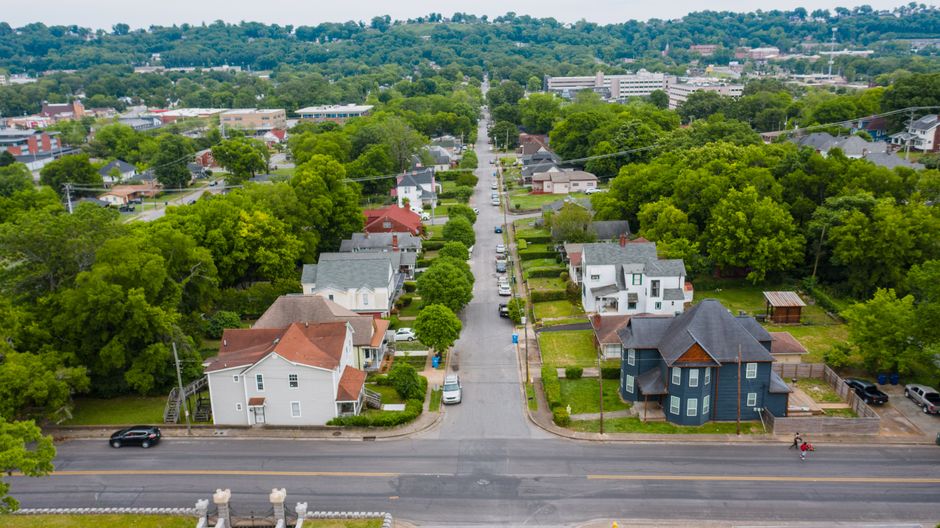
The Nations is one of Nashville's oldest neighborhoods, west of downtown, and it's currently in that awkward middle phase between working-class stability and gentrification. You see old houses in various states of repair, murals appearing on buildings, new restaurants opening next to longtime family businesses that are unsure if they want to stick around.
It's too early to say whether The Nations will become the next East Nashville or stay rough around the edges. Right now, that uncertainty is actually its appeal. Rents are still cheaper than hipper neighborhoods. Some genuinely good restaurants exist here because they weren't playing a trend—they just opened where rent was affordable. The industrial feel, the wide streets, the sense that something is still being decided here—that attracts artists and people who like a bit of grit.
The Nations works for people who want to invest in a neighborhood's future or people who are comfortable with visible poverty existing nearby. It's not dangerous, but it reads as less polished than other areas. It's worth visiting and exploring, especially if you're considering living in Nashville. It'll tell you whether you want to be in a place that's actively changing or a place that's already settled into its identity.
How to Choose Where to Stay
If you're visiting for three days, stay downtown or The Gulch if you want convenience and nightlife, or East Nashville if you actually want to feel like you're somewhere. If you're moving here, spend a few weekends in different neighborhoods before you sign a lease. Walk around at different times of day. Eat at the restaurants. Talk to people on their front porches if they let you.
Nashville's neighborhoods have real differences, not just aesthetic ones. You're choosing between community and convenience, between money and character, between being in the city's center or its margins. There's no single best neighborhood because it depends on what you actually want from the city. And that's the thing about Nashville—what you want from it determines what you'll find.



