
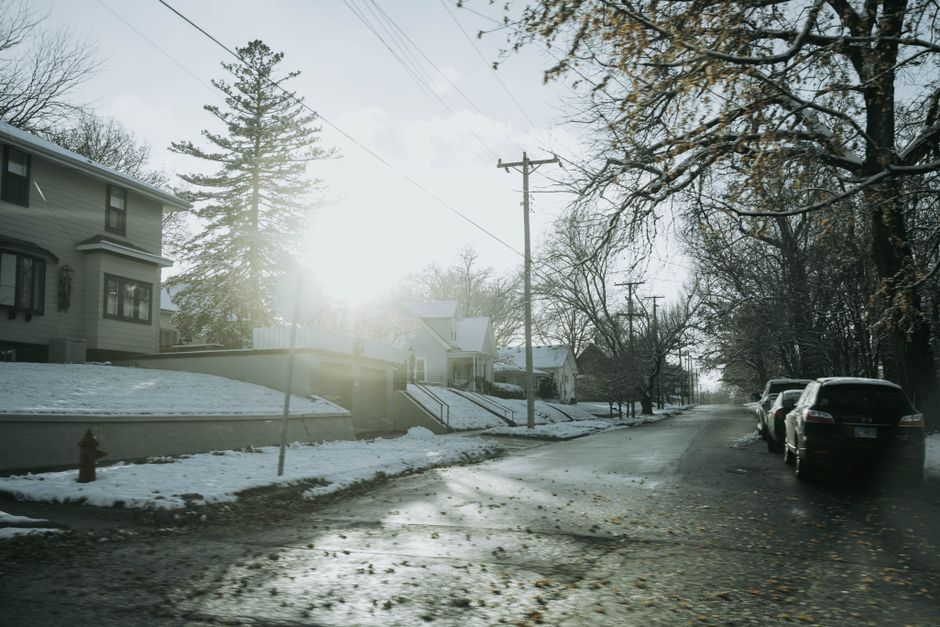
I pulled into Omaha on a Thursday evening, the kind of Midwestern dusk where the sky stays half-lit for hours. My first impression was less "Great Plains metropolis" and more "a city that knows itself." The Old Market was busy but unpretentious, streetlights catching on old brick. People actually walked here. That matters to me when I'm evaluating a place.
Over the next week, I stopped by six distinct neighborhoods, ate too many sandwiches, and talked to transplants and natives in equal measure. What became clear is that Omaha doesn't have one identity—it has several, and they don't feel artificially carved out for tourism. They're just different parts of town where different people actually live.
Old Market: The Default Destination (and Why You'll Understand Why)
The Old Market is the first place most visitors land, and honestly, it's not overrated, just busy. The original brick warehouses from the early 1900s now hold restaurants, bars, galleries, and shops. A Friday or Saturday night here feels crowded—you'll be elbow-to-elbow with bachelorette parties and date nights—but a weekday afternoon is legitimately pleasant.
The food scene is strongest here. You can get decent sushi, solid Italian, and a few restaurants that genuinely aim higher than regional competence. The Drover and The Boiler Room are starting points, but the value proposition isn't always there if you're watching your budget. Cocktail bars punch above their weight.
Who it suits: First-time visitors, people in town for a weekend, anyone who wants to walk to restaurants and bars. It's not a neighborhood to live in unless you're young, single, and okay with noise on weekends. Hotels cluster nearby, which is convenient if that's your jam.
Dundee: Young Professionals Who Actually Read Books
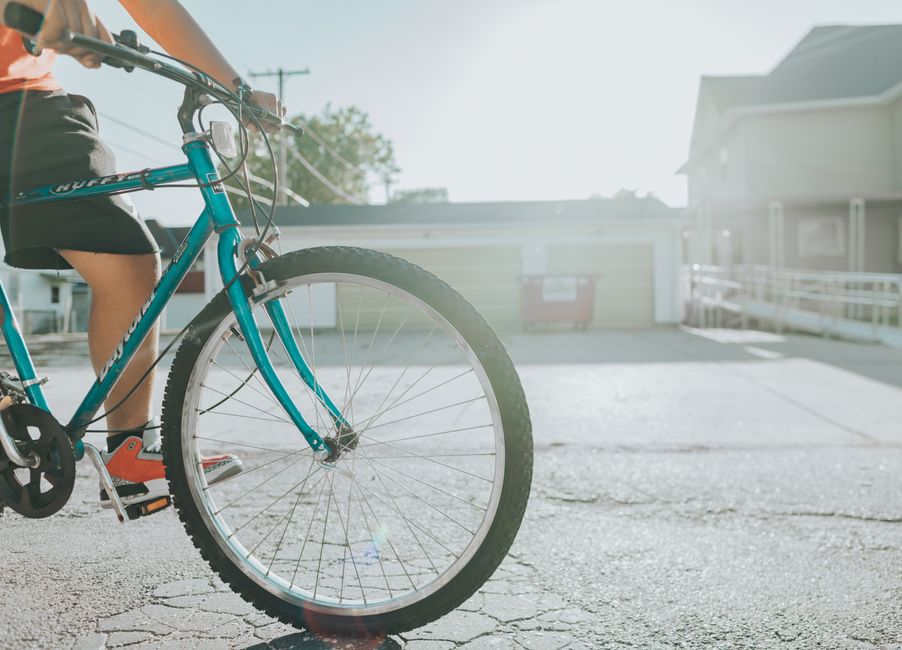
Drive or bike west from Old Market along Dodge Street and you'll hit Dundee, an older neighborhood that's undergone the kind of gradual, genuine revitalization that doesn't feel like a developer's fever dream. The streets are tree-lined. Houses are small, mostly early-20th century, and people are visibly investing in them without turning them into Instagram suburbs.
The commercial strip—centered around 48th and Dodge—is where the action is. Dundee Coffee Company will remind you that third-wave coffee exists. There are antique shops, used bookstores (not ironic ones—actual bookstores where people browse), and a handful of good restaurants that aren't trying too hard. Crème Cupcakes and The Waffle House sit alongside places you'd find anywhere, but the neighborhood doesn't feel like a theme park.
I met a software engineer and a public school teacher at a bar here on a Tuesday. They'd both moved to Omaha within the past three years. Both loved Dundee. The rent is reasonable if you're splitting a house, there's a genuine sense of community without feeling exclusive, and you can walk to beer and dinner. It's the sort of place that appeals to people who've lived in bigger cities and chosen Omaha, not people fleeing bigger cities.
Who it suits: Couples, young professionals, remote workers who want neighborhood character and walkability without tourist infrastructure. It's a place where you'd actually want to live, not just visit.
Benson: Weird in the Best Possible Way
Benson is north of downtown, and it has the energy of a neighborhood that stopped dying about fifteen years ago and never fully decided to gentrify. There's vintage, there's legitimately old, and there's trashy—all in the same few blocks. It works.
The main drag—Military Avenue—has vintage furniture shops, tattoo parlors, art galleries, thrift stores, and bars with no particular filter. Barista coffee sits next to honky-tonks. On a Saturday afternoon, you'll see multigenerational families, art students, bikers, and young couples house-hunting. The food is cheap and uneven, but there are a few spots worth lingering in. Bronco Wine Bar has somehow ended up as a genuine neighborhood hang.
What makes Benson interesting is that it doesn't feel like it's being developed for anyone in particular. It's just happening. Real estate is starting to price up, but it hasn't hit the stratospheric rents of Dundee yet. If you want to feel the texture of how neighborhoods actually change over time—messy, with false starts and genuine character—spend an afternoon here.
Who it suits: Artists, vintage hunters, people looking for affordable housing in an interesting pocket, anyone tired of neighborhoods designed by committee. It's not polished. If you need every corner to be Instagrammable, keep moving.

Brandeis and Ralston: The Quiet Answer
If Dundee is for people who want walkability and coffee shops, Brandeis is for people who want space and don't mind driving. It's a residential neighborhood that doesn't have a commercial core you'd visit as a tourist, but it's worth knowing about if you're seriously considering moving here.
Nicely landscaped homes, good schools, and a real sense of established community. It's where you'd send your kids to basketball camp and own a garage for winter projects. Ralston, immediately west, is similar but more working-class and slightly more affordable. Both neighborhoods are genuinely pleasant for families—quiet, safe, with solid parks—but they're not where you'd spend a night as a visitor.
Who it suits: Families with kids, retirees moving to Omaha to be near family, anyone prioritizing safety and schools over neighborhood buzz. These are places where people live long-term, not where you stumble into good bars.
Benson Actually Deserves a Second Look: The Housing Market Angle
I'm doubling back to Benson because if you're moving to Omaha—not visiting, but actually relocating—you should understand what's happening there. Housing is cheaper than Dundee, the neighborhood has actual character, and it's positioned exactly where young creative people are starting to cluster.
A young couple I spoke with bought a three-bedroom house there for less than they'd spend on rent elsewhere. They're not flipping it. They're living in it, fixing it slowly, and building community. That's a different calculus than I'd apply to neighborhoods in Denver or Austin, where the housing market is pure speculation. Omaha still has room for people to actually live.
Bricktown: The Attempt That Half-Worked
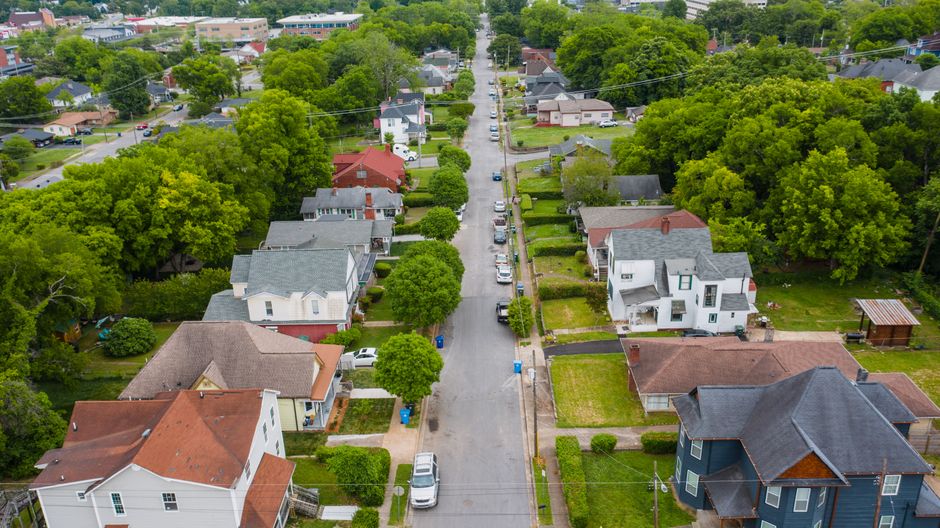
South of downtown along the Platte River is Bricktown—a neighborhood that's had genuine investment and is now home to the CU Omaha campus and a decent stretch of river path. It's pleasant in the way that planned neighborhoods are pleasant: everything is newer, there's always something happening, but there's also a faint sense that it was built for someone else's idea of Omaha.
There are restaurants, a movie theater, and enough foot traffic on weekends. The river trail is legitimately nice for running or biking. It's safe, clean, and fine. But I didn't run into the kind of organic neighborhood energy I found elsewhere. It feels designed, which isn't necessarily a flaw—some people prefer that clarity. But it's not where I'd go for Omaha's authentic character.
Who it suits: Families who want planned amenities, students or young professionals willing to trade character for convenience and safety. It's a solid neighborhood without much personality.
Where to Actually Spend Your Time
If you're visiting for a weekend, focus on Old Market for restaurants and entertainment, Dundee for afternoon browsing and a real sense of how people live here, and Benson for the weird stuff. If you're considering moving here, rent somewhere central for a month if you can, spend time in Dundee and Benson, and get a feel for what Omaha actually values before you buy.
Omaha doesn't have the density of bigger cities or the tourism infrastructure of places that count on it. What it has is stability, reasonable cost of living, and neighborhoods that feel like places where actual people make decisions about their lives. That's not as flashy as hidden gems or undiscovered urban treasures. It's just a decent Midwestern city that doesn't oversell itself.



