
I arrived in Portland on a gray November afternoon with the kind of optimism only someone new to the Pacific Northwest can muster. By week two, I'd learned that nobody here talks about the rain, and everyone has a neighborhood opinion. After three years covering the city's development beat and spending weekends exploring on foot, I've come to understand that choosing where to land in Portland isn't just about picking an address—it's about choosing the version of Portland you want to live in.
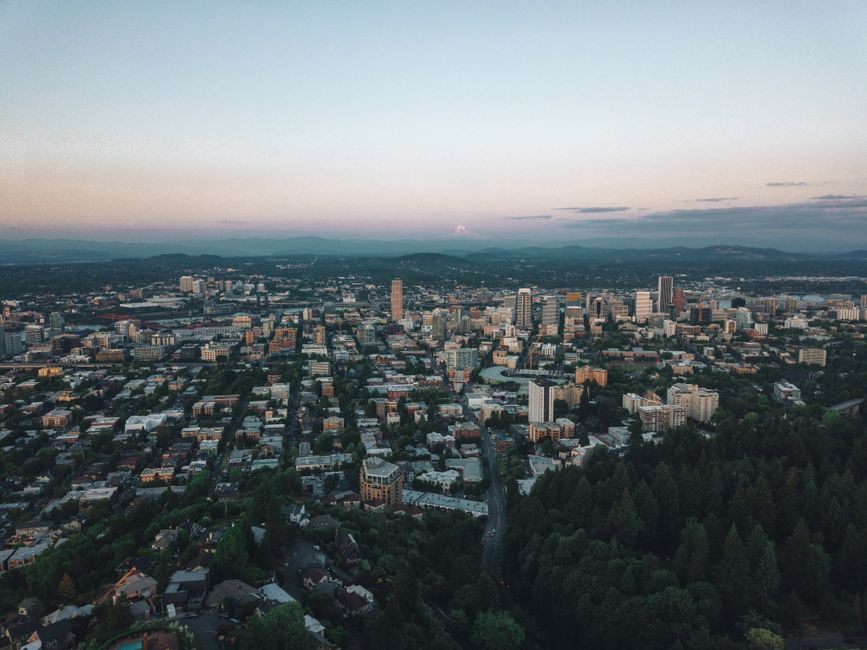
The city sprawls across both sides of the Willamette River in a way that feels less like urban planning and more like a series of small towns that agreed to share infrastructure. Each neighborhood has developed its own personality, its own coffee shops, its own unspoken rules about cycling and precipitation. Whether you're visiting for a month or considering a move, understanding these distinctions can mean the difference between loving it here and wondering why everyone seems so smug about their city.
Hawthorne: For the Perpetually Curious
Hawthorne lives on the east side of the Willamette, running south from the Hawthorne Bridge into a long corridor of vintage shops, dive bars, record stores, and restaurants that range from genuinely good to aggressively quirky. If you've heard about Portland's "keep Portland weird" ethos, Hawthorne is where that idea actually lives—not as a marketing slogan, but as an organic accumulation of independent businesses that predate the Instagram era.
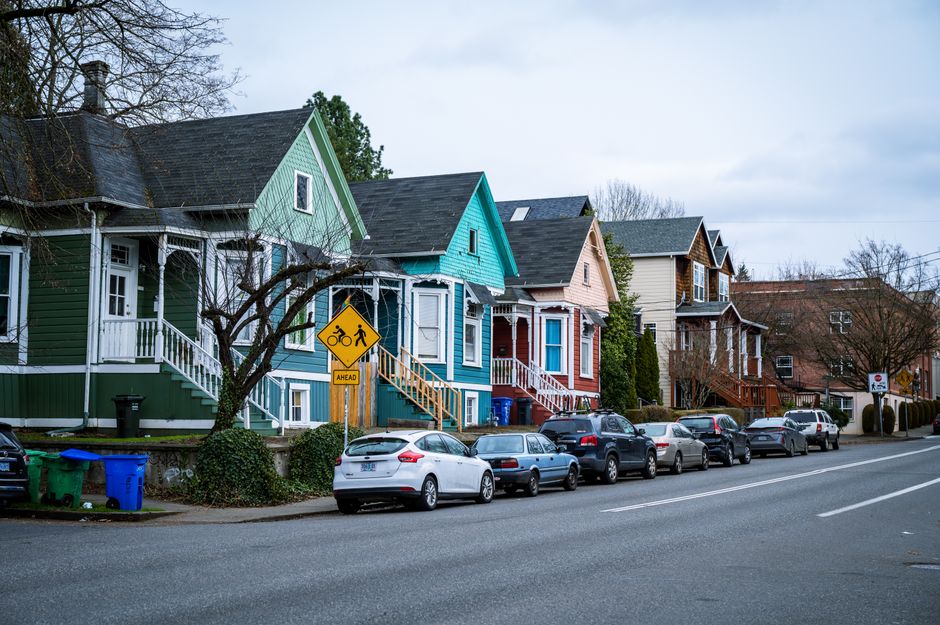
This neighborhood suits solo travelers and young professionals who prioritize walkability and don't mind noise. The street itself is entertaining: you can spend an afternoon drifting between used bookstores, vintage clothing shops, and cafés without ever feeling like you're performing tourism. The residential blocks just off Hawthorne are quieter, with modest Craftsman houses, a reasonable housing market (though Portland's affordability is relative), and a mix of long-time residents and younger renters.
The trade-off is density and occasional street-level chaos. Hawthorne draws crowds on weekends, and the closer you live to the commercial strip, the more you're accepting noise from bars and restaurants that run late. But if you're someone who finds neighborhoods fascinating precisely because they're slightly messy, this is where you belong.

Pearl District: For Professionals and Design-Minded Families
The Pearl District sits northwest of downtown, wedged between the city center and NW Forest Park. Twenty years ago this was an industrial warehouse zone. Now it's been converted into loft apartments, art galleries, high-end restaurants, and the kind of carefully curated public spaces that make city planners take notes. Powell's Books—the massive independent bookstore that occupies an entire block—is here, and it's genuinely worth a visit, though it's also aggressively touristy.
If you're a professional relocating to Portland, especially if you work downtown or want walkable access to restaurants and cultural venues, the Pearl has obvious appeal. It's safe, well-maintained, and you can conduct your entire evening without leaving the neighborhood. Design professionals and affluent young families are the demographic sweet spot. The neighborhood also has legitimate parks—the South Park Blocks, with their tree-lined promenades—that make it feel less sterile than it might otherwise be.
The downside is cost and homogeneity. Pearl District rent runs high, and the neighborhood has been developed with such intention that it can feel a bit soulless compared to older, more organic Portland neighborhoods. You're paying premium prices for cleanliness and convenience. But if that's what you want—and for some people, it absolutely is—it delivers.
Northeast 30s: For Families and Practical Newcomers
Most visitors never make it to Northeast Portland's 30s block (that's roughly NE 30th to NE 42nd, between Burnside and Broadway). There are no major tourist attractions, no celebrated restaurants that show up in national media, just a neighborhood where real people actually live. Single-family homes sit on tree-lined streets. The businesses are locally owned and decidedly practical: a hardware store you can actually navigate, a natural foods co-op, a Vietnamese restaurant that's been there for fifteen years and doesn't need Instagram.
This is where families—especially those with school-age kids—tend to land once they've been in Portland long enough to understand what they actually value. The neighborhood schools are solid, houses are more affordable than Pearl or West Hills, and you can raise kids without feeling like you're performing parenthood for an audience. There's a real community feel that develops over time.
The trade-off is that it requires intention to feel satisfied here if you're someone who needs walkable nightlife and cutting-edge restaurants. It's residential in the plainest sense. You're not getting urban density or constant novelty. But that's precisely why some people prefer it. The neighborhood works as a long-term home rather than a destination, and that distinction matters.

Alberta Arts District: For Creative Types and Those Who Like Spectacle
Alberta Avenue runs through Northeast Portland's arts district—a stretch of galleries, performance venues, murals, and independent businesses that actually earned its artistic credentials rather than having them applied retroactively. The neighborhood grew up around genuine creative activity: artists occupied affordable warehouse space, and a community developed around art and performance.
Young artists, musicians, and the generally creative-minded gravitate here. There's a Last Thursday event on Alberta where galleries and storefronts stay open late, and the neighborhood becomes a legitimate street festival. Rents are lower than Hawthorne or Pearl, and the neighborhood maintains some of that original scrappy character. You can find decent restaurants, and there's a sense that things are still being built rather than being sold.
It's worth noting that Alberta has developed its own version of gentrification pressure. The businesses that made it interesting are increasingly being displaced by higher-priced tenants. But the infrastructure of artistic activity still exists here in a way it's harder to find elsewhere in Portland. If you're someone who wants to be around creative people and don't mind dealing with less polish in exchange for authenticity, it's worth serious consideration.
Mount Tabor: For Retirees and the Intentionally Quiet
Mount Tabor is an extinct volcanic cinder cone that sits in the middle of Southeast Portland, surrounded by a neighborhood of the same name. Living here means living on the slopes of a 650-foot hill with views of the city and surrounding mountains. On clear days—and yes, they do happen in Portland—you can see Mount Hood from various points in the neighborhood.
The neighborhood appeals to retirees and people who have decided that walkability to nightlife matters less than walkability to nature. The park itself is genuinely excellent, with trails, meadows, and the kind of quiet that you don't get in more central neighborhoods. The houses tend to be older, smaller Craftsman-style cottages that have been occupied by the same families for decades. Property values stay reasonable compared to west-side neighborhoods, partly because it's farther from downtown.
The isolation is both feature and bug. If you want a neighborhood with active street life and constant activity, this isn't it. Restaurants and shops require a drive or a significant walk. But if you're at a point in life where you want peace and access to nature without leaving the city, Mount Tabor delivers. It's where Portland reveals its actual relationship with the natural world rather than its idealized version of it.
Visiting Versus Moving: The Practical Difference
Spending a week in a neighborhood and deciding to live there are entirely different exercises. As a visitor, you experience the edited version—the good restaurants, the parks, the interesting streets. You're not paying utilities or dealing with street parking or figuring out which grocery store has reasonable hours. You're not navigating neighborhoods in dark, wet weather or understanding the actual social dynamics that develop over time.
If you're visiting, spend a few nights in each neighborhood that appeals to you. Walk it at different times. Eat breakfast at local spots, not just dinner. Spend an afternoon in the residential blocks away from the main commercial streets. That's where you'll develop an actual sense of whether you could tolerate living somewhere.
If you're moving, give yourself permission to stay somewhere temporarily before committing. Renting first, exploring on foot, attending neighborhood events—these things matter. Portland neighborhoods reveal themselves slowly, and the worst relocations happen when people choose based on reputation rather than actual fit.
The Broader Picture
Portland works because it resisted the complete homogenization that happened in many American cities. Neighborhoods developed at different times with different pressures, and those differences remain visible. You can move across the Burnside Bridge and feel like you've entered a different city.
The challenge now is managing growth without erasing what made neighborhoods distinct. That's an ongoing conversation in Portland, and choosing where to live or visit means being part of it, intentionally or not. The city rewards curiosity and experimentation, but also rewards people who stay long enough to understand nuance rather than marketing.



