I've driven out of Portland enough times to know which routes don't turn into parking lots on weekends. The city sits in this sweet spot—you're genuinely close to Oregon's best scenery without having to commit to a full overnight. An hour and a half in any direction and you hit something worth the drive. Some of these spots are obvious. Others, locals would probably prefer I didn't mention. But that's what this is for.
The key is knowing when to go and what you're actually walking into. A rainy Tuesday in March hits completely different than a sunny Saturday in August. Same place, completely different experience.
Columbia River Gorge and Multnomah Falls
This is the obvious one, which means everybody does it, which means you should probably go on a weekday if you can. The drive east on I-84 is genuinely scenic—you're following the Columbia the whole way, and the gorge walls just keep getting bigger. About 30 minutes and you're at Multnomah Falls, the 620-foot waterfall that shows up in every Oregon tourism photo.
Here's the thing: the falls are real and they're impressive, but don't just snap the bridge photo and leave. Walk the Benson Bridge Trail if the water flow is high enough to justify it—usually best March through May when snowmelt is happening. In summer, it dries out some and loses drama. The falls are visible year-round, but spring and early summer give you actual volume.
If you've got time, drive another 15 minutes to Oneonta Gorge or Wahkeena Falls. Both are less crowded. Wahkeena has a proper hike loop if you want something longer than 20 minutes. The whole gorge area has dozens of small waterfalls—most people never get past the main one.
Best time: Late March through May. Worst time: Summer weekends, when parking fills by 10 a.m. Winter is quiet but wet, and the light's not great for photos.
Cannon Beach and Ecola State Park
Due west, about 90 minutes depending on traffic crossing the Coastal Range. You hit the town of Cannon Beach first—a beach town that's gentrified itself into predictability but hasn't completely lost its bones. The iconic Haystack Rock sits offshore like a actual lighthouse, which it kind of is.
Don't waste your whole day in town shopping for high-end antiques you don't need. Park somewhere on the beach side and walk north. Ecola State Park starts about a mile up the shoreline, and the trails there are worth the drive alone. Clatsop Crest Trail climbs into the headlands with views that feel way bigger than Oregon's actual size. You can hike down to small coves where the crowds thin out fast.
The beach itself has character in low tide—tide pools around the rock, sand flats that open up. Check tide tables before you go. You don't want to show up at high tide expecting to walk anywhere.
Best time: September and October. Summer is chaos—parking is genuinely difficult, and you're walking shoulder-to-shoulder. Winter is beautiful and empty but cold and gray. Fall has better weather and almost no tourists. Spring works too, though it rains more unpredictably.
Bring a rain jacket anyway. It's the coast.
The Willamette Valley Wine Region
Southeast toward Salem, about an hour depending on which part of the valley you're hitting. Dundee and Newberg sit closest to the city, with decent clusters of wineries in the red hills. This is Pinot Noir country—not the expensive stuff you'll see in the city, but actual working vineyards where you can taste what the region actually produces.
If you want structure, pick a specific area and commit—the Dundee Hills, Chehalem Mountains, or Willamette Valley floor all feel different and have tasting rooms scattered around. Many places won't charge you for tasting if you're buying a bottle. Some still do the paid tasting thing, which feels off to me, but that's the market now.
The drive itself is boring until you hit the hills. Once you're there, it's rolling vineyard country that actually looks like wine regions should look. Summer brings festivals and events, which can be fun or obnoxious depending on your tolerance for crowds and live acoustic music.
Pair this with a restaurant if you're making it a real day—Maison Mère near Newberg does good Burgundy-style food, though you'll want a reservation. Small town bistros in Dundee are hit-or-miss but cheaper and sometimes better.
Best time: September through October during harvest. Late spring is nice too. Summer gets busy. Winter is quiet but some places have reduced hours.
Mount Hood and Government Camp
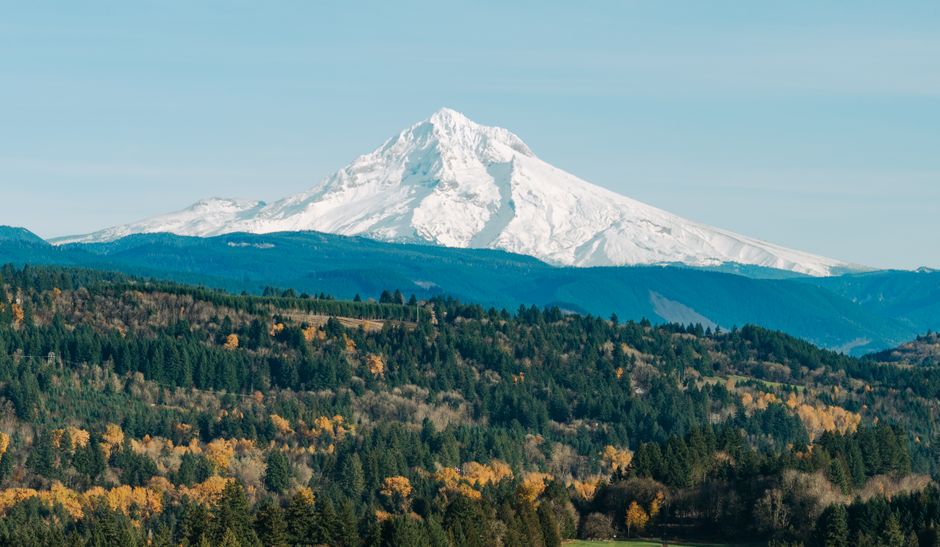
About 90 minutes southeast on Highway 26. Government Camp sits in the shadow of the mountain at 6,000 feet, which means even in summer it feels cooler and greener than the city. The drive climbs gradually out of the forests into actual alpine scenery.
In winter, this is ski town. In summer, it's hiking and mountain air. Timberline Lodge sits on the mountain itself if you want to get fancy with it, but the day-trip version is parking in the town, grabbing coffee, and taking any of the dozen trailheads nearby. Paradise Park loop (about six miles round trip) is doable without early morning starts, or you can just walk the shorter trails around the lakes near the highway.
The town itself has the low-key ski village vibe—restaurants, a brewery or two, gift shops. Nothing fancy, but it feels like an actual place where people live and ski in winter instead of a tourist theme park.
Best time: Summer (July-September) for hiking. October is nice—less crowded, weather's still okay. Winter if you ski or hike in snow, but roads can be iffy. Avoid summer weekends if you want to see actual forest instead of parking lot issues.
Salem and Silverton Loop
An hour south takes you to Salem, Oregon's capital and genuinely underrated. Most Portlanders drive past it to get to wine country, which is a mistake. The Capitol building is actually worth 30 minutes—it's a real public building designed and built without irony, with good views from the rotunda. The surrounding park is pleasant and doesn't feel touristy.
Keep driving east another 30 minutes to Silverton—a small mountain town with actual character and the Silver Falls State Park nearby. South Falls is the big one, a 177-footer you walk behind. The Ten Falls loop hikes you past multiple waterfalls in a way that feels like you've actually gone somewhere instead of just standing in front of one thing.
If you time it right, you can hit Salem for lunch, drive to Silverton for the afternoon hike, and be back in Portland by early evening. The loop covers enough ground to feel like a real trip without burning a whole day in the car.
Best time: Spring and early summer for waterfall volume. Summer is warm and busy. Fall is empty. Winter is wet but still doable if you don't mind soggy trails.
When Not to Go (and Why)
Summer weekends will destroy you in every single one of these places. The highways back up, parking fills, and trails turn into shoulder-to-shoulder lines. If you're leaving on Saturday morning in July, you're competing with 200,000 other Portlanders with the same idea.
Weekdays are exponentially better. Even Tuesday morning changes the whole equation. If you work flexible hours, that's your move.
Rain is real here. Don't let it scare you, but bring actual gear. A thin jacket and optimism won't cut it. Wool socks, waterproof shoes, and a rain jacket that actually works are non-negotiable.
Summer heat drives people to the coast, which is smart, but spring runoff is what makes the waterfalls actually dramatic. Pick your priority—crowds or scenery—and plan backward from there.