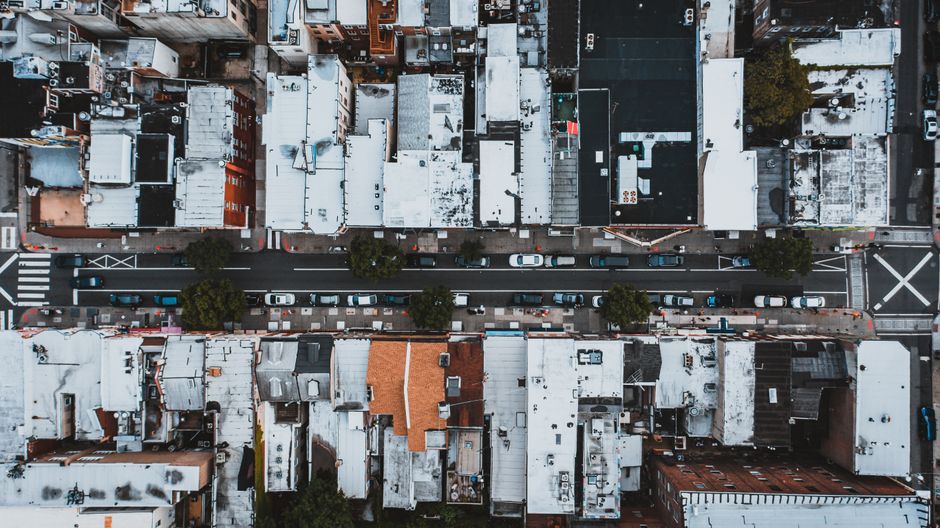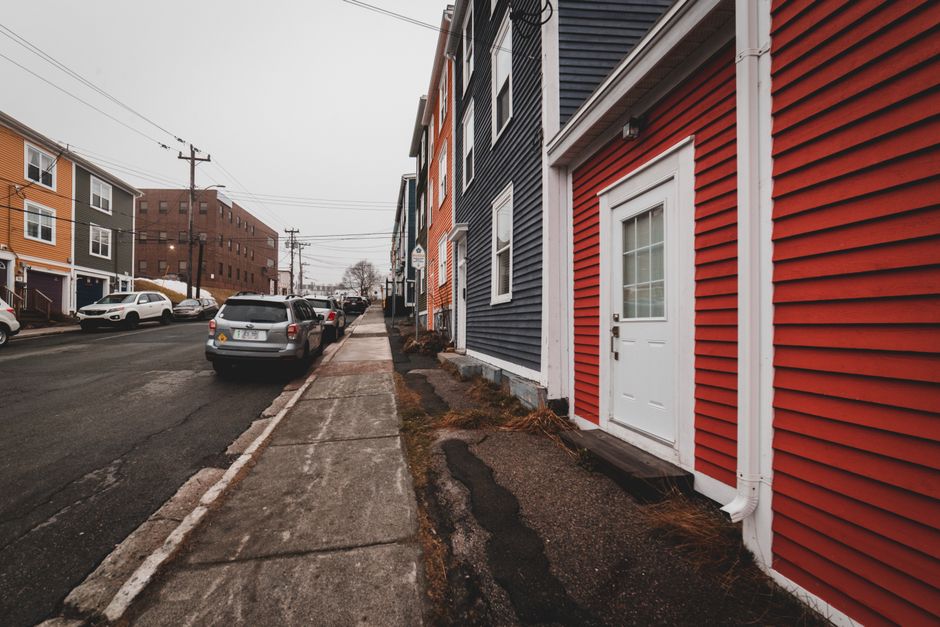
I arrived in Providence on a gray October afternoon, the kind of weather that makes old New England cities feel properly atmospheric. Walking from Union Station, I realized the city doesn't announce itself with grand gestures—it reveals itself block by block, neighborhood by neighborhood. What struck me first was how livable it actually felt. Not trendy in that manufactured way, but genuinely lived-in by people who seem to like being here. Over the next few days, I moved around enough to understand that choosing where to land in Providence matters less for finding "the" scene and more for deciding what kind of Providence you want to live in or visit.
The city's neighborhoods aren't especially large, which means you can sample several in a weekend without feeling rushed. What makes them distinct isn't always obvious at first glance—it's more about who's anchored there, what the ground floor looks like, whether the cafes feel established or still figuring themselves out. I'll walk you through the ones that genuinely feel different from each other, and honestly where they make sense depending on what you're after.
College Hill and the Ivy Atmosphere
College Hill isn't just home to Brown University—the neighborhood basically *is* Brown University in a lot of ways, and there's no use pretending otherwise. Thayer Street is the commercial spine, lined with independent bookstores, ramen joints, vintage shops, and the kind of coffee places that have existed long enough to develop actual character. The architecture here leans heavily toward 19th-century residential, with tree-lined blocks of Federal and Greek Revival houses that have been divided into student apartments, faculty homes, and increasingly, young professional rentals.
If you're visiting Providence and want to feel like you're in an actual college town without the sterility of a campus, this works. The energy here comes from the university crowd without being overwhelming—weekends get quieter than you'd expect. For young professionals in their first few years out, especially if you work or study in higher education, it's compelling. The restaurant and bar scene punches above the neighborhood's size. Fair warning: parking can be genuinely difficult, and the student population means certain blocks feel transient. Families might find the vibe a bit too geared toward 22-year-olds.
Waterman Street runs along the top of College Hill and offers some genuinely nice views back toward downtown and the State House dome. It's the slightly quieter, more residential alternative to the Thayer Street bustle.

Federal Hill: Italian Heritage and Authenticity
Federal Hill sits west of downtown and used to be the center of Providence's Italian-American community. It still is, though that character is evolving. Atwells Avenue is the neighborhood's main drag, and it's worth understanding that this isn't a theme-park version of an Italian neighborhood—it's an actual place where Italian families have rooted for generations. You'll find bakeries and restaurants that have been family-run for 40, 50 years. Gazo's, Roma Bakery, Venda Ravioli—these aren't Instagram stops, they're just where people eat.
For visitors, this is one of the few neighborhoods in Providence where the food alone justifies coming. The restaurant scene has also attracted newer spots run by younger chefs who respect what came before rather than trying to reinvent it. You can get excellent pasta and pastries here at a price that makes sense, which is increasingly rare.
For new residents, Federal Hill works best if you genuinely appreciate being around established, multigenerational communities. It's becoming more mixed—young professionals and grad students are moving in—but it never loses its grounding. It's not particularly designed for nightlife, and it's not a neighborhood you'd choose for the scene. But if you want to walk to bakeries and restaurants and feel like you're in a real neighborhood rather than a curated district, it's hard to beat. Families find it stable and walkable, though you'll need to be comfortable with narrow streets and less modern infrastructure.
Downtown and Kennedy Plaza: For Urban Convenience
Downtown Providence itself is worth living in if you're the type who actually wants to be downtown—meaning you work nearby, you use the transit hub, or you like the particular energy of a small city's financial and transit core. This isn't a neighborhood in the traditional sense so much as a compressed urban district that's been through multiple cycles of decay and investment.
The Kennedy Plaza area is the transportation heart, a bit chaotic and not especially charming, but it's where the bus lines converge. The streets just north and east of there—around the arts district and toward the river—feel more appealing. You've got the RISD Museum, independent theaters, galleries, and an increasing number of restaurants and bars that seem genuinely interested in staying rather than just appearing. It's mixed-use in a way that actually works, though it can feel a bit quiet on certain blocks, especially late at night.
Downtown works for someone who commutes via bus or who genuinely prefers the density and walkability of an urban core. It doesn't have the anchoring social institutions of College Hill or the deep historical rootedness of Federal Hill. It's the choice if you want proximity and convenience more than neighborhood character. Young professionals working downtown or artists attracted to cheaper rents than Boston or New York have been gradually reshaping the area. It's fine for visitors if you're hotel-based and want to explore on foot, but I wouldn't say it's an essential place to stay.
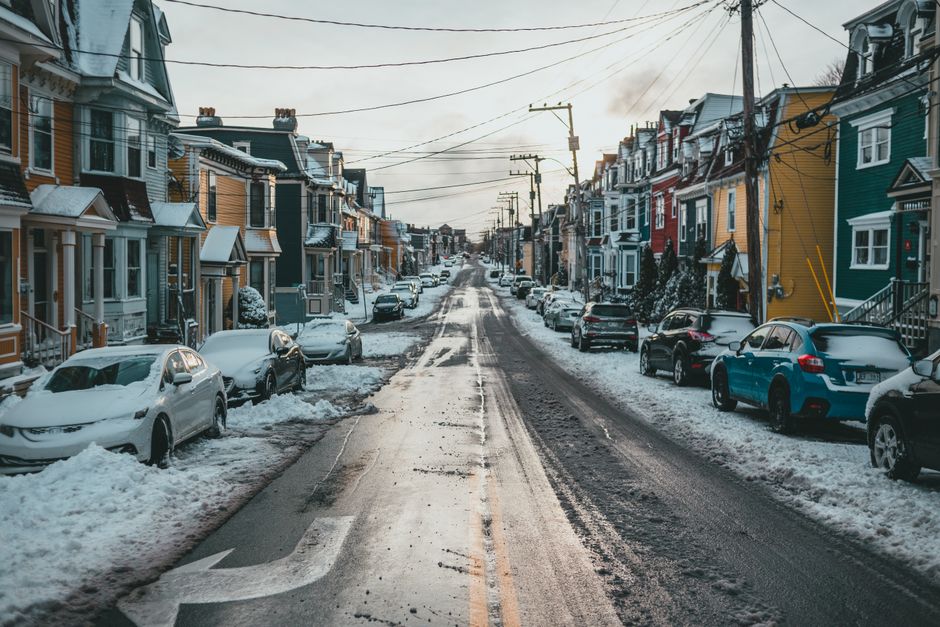
Elmwood and the South Side: Quieter Residential Base
Elmwood stretches south from downtown and feels genuinely separate from the busier neighborhoods without being remote. It's more solidly residential, with tree-lined streets and a genuine sense of being a neighborhood rather than a district. There's a small commercial stretch on Elmwood Avenue with local cafes and shops—nothing trendy, just functional and lived-in. The housing stock is older, a lot of traditional New England homes on modest lots. You'll see families here, people who've lived in Providence for decades, and increasingly younger people who can't quite afford Federal Hill or College Hill but want to be in the city.
This works best for families or anyone prioritizing quiet and actual neighborhood life over scene-making. You're close enough to downtown to walk or take a short bus ride, but far enough out that things settle down at night. It's genuinely affordable by Providence standards, though rising. For visitors, there's not much reason to stay here unless you're renting an Airbnb with locals and want that experience. But if you're considering moving to Providence and want neighborhood feeling without the student scene, it's worth spending time on a Saturday morning—walk Elmwood Avenue, see what's actually there.
The character here is slowly shifting as younger people move in and the old Italian and Portuguese-American families slowly disperse. It's one of the few places in Providence that feels like it's genuinely in transition rather than already settled into a lane.
Wayland Square and the East Side: Young Professional Haven
Wayland Square sits east of downtown on Broadway and has the feel of a neighborhood attempting to become its own destination. There's been significant investment here—new restaurants, bars, boutiques, and the physical infrastructure has been renovated relatively recently. It attracts young professionals precisely because it feels somewhat apart from downtown without being cut off from it. The bars and restaurants here are newer than Federal Hill but not trying as hard as parts of downtown sometimes seem to be.
It's walkable, it's got density without being claustrophobic, and it has the energy of a neighborhood that people actually chose to move to rather than just ended up in. The surrounding East Side neighborhoods are more residential, quieter blocks with Ivy Cottage-style homes and families. If you're a young professional in Providence, this is probably where you consider first. It's also fine for visitors who want to walk around and get a sense of Providence's contemporary food and bar scene.
The tradeoff is that Wayland Square feels a bit designed, in the way that places with recent investment sometimes do. It lacks the deep historical anchor of Federal Hill or the institutional weight of College Hill. But that's also partly the point—it's the newest iteration of Providence, which appeals to people who didn't grow up here and are drawn to the city's current trajectory rather than its past. Families with young kids sometimes gravitate here because of the perceived safety and relative newness of the commercial district, though housing is pricier.
Getting Around and Making Your Choice
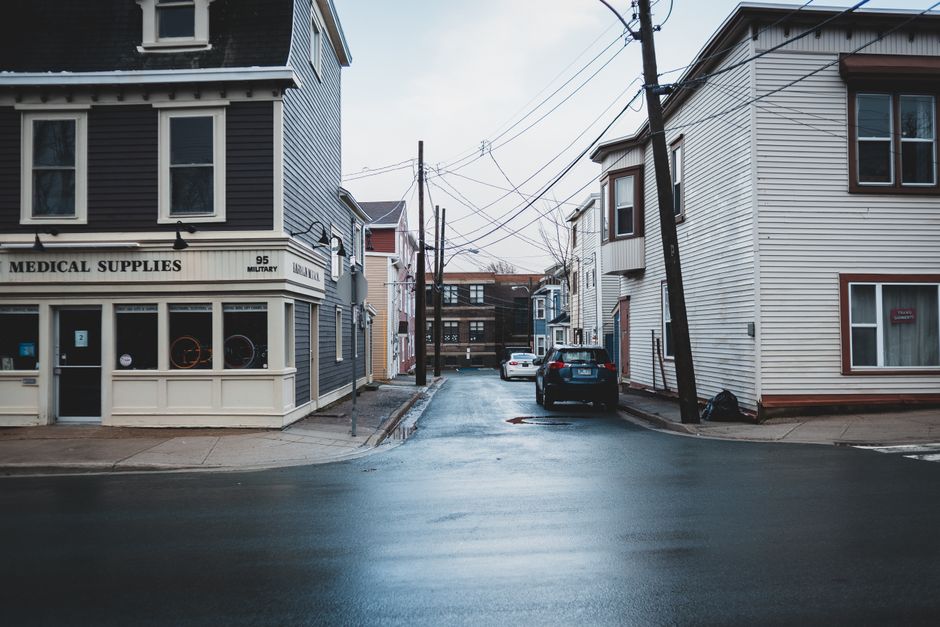
Providence is small enough that you're never more than 15 minutes from any of these neighborhoods by bus or car. That actually matters when you're deciding where to base yourself. If you're visiting for a weekend, you could stay in one neighborhood but easily spend time in two or three others.
Walk around before committing. I know that sounds obvious, but neighborhoods shift from block to block here. A street can feel quiet and residential on one stretch and completely different 100 yards down. Visit on a weekend to see how things feel when people are actually around, and also during the week to get the real daily rhythm.
The city improves the more time you spend in it. The first evening I wasn't sure what to make of Providence—it's not beautiful in an obvious way, and it doesn't perform enthusiasm for visitors. But it grows on you. These neighborhoods have actual histories and actual people in them, which is becoming less common. That's worth paying attention to when you're figuring out where you fit.