
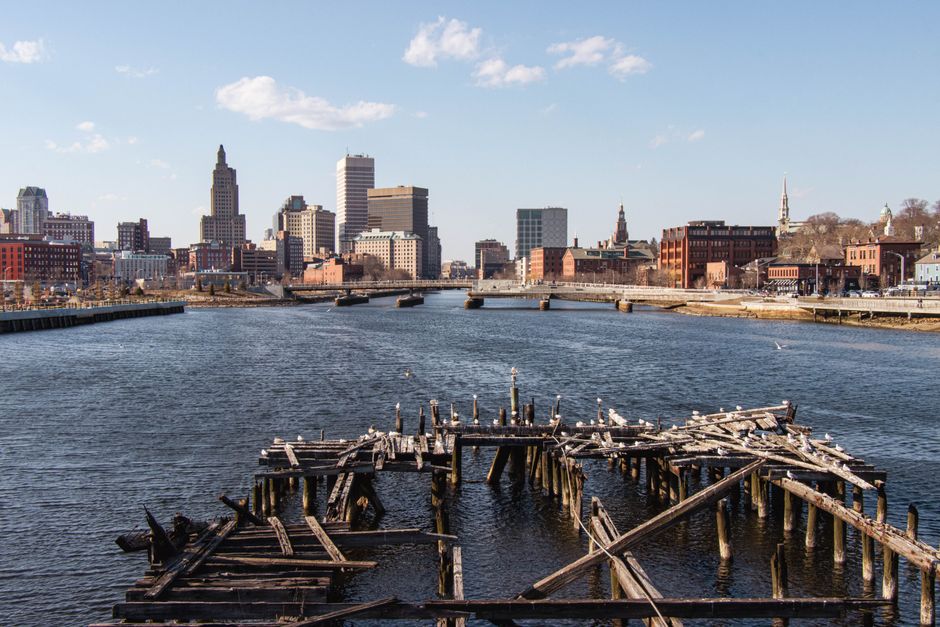
I rolled into Providence on a Thursday afternoon expecting a polished New England college town. What I found was something messier and more interesting—a mid-sized city that's genuinely reinventing itself without waiting for permission or a tourism board's blessing. The downtown is walkable enough that you can exhaust it in a day if you're not careful, but stick around longer and you start noticing the real texture of the place.
Like most cities its size, Providence has attractions that draw the Instagram crowds and then has everything else. I've spent enough time here to have opinions about which is which, and I'm willing to bet some of my takes will land differently than what you'll read in the official visitor guide.
The Overrated Circuit (and Why You Can Skip It)
The RISD Museum is competent and worth a casual visit if you're already downtown, but don't rearrange your day around it. People act like it's a world-class institution—it isn't. The collection is decent but browsing it feels like you're in a very well-funded college art program's repository. The building itself has some nice spaces, particularly the upper galleries, but the experience doesn't justify the time investment if you've seen major museums elsewhere. Go if you're genuinely interested in New England decorative arts. Skip it if you're just checking boxes.
Waterfires gets hype every October through May when it runs Thursday through Sunday nights. It's an art installation—literally fires burning in braziers on the river—with soundscape accompaniment. The concept is undeniably charming and there's something genuinely moving about watching families and couples gather along the riverwalk at night. But the reality is that it's become a ritual obligation rather than a revelation. You'll spend more time shuffling slowly with crowds than actually absorbing anything. If you happen to be in town when it's running and you're already downtown, swing by the riverwalk. Don't plan your trip around it.

The Fox Point Hurricane Barrier and WaterPlace Park Deserve Context
These engineered attractions are pleasant enough—locals use them, tourists photograph them, everyone moves on. The barrier is historically interesting if you care about 1960s coastal engineering and urban planning. The park is fine for a walk if the weather's decent. But visiting them as primary attractions makes sense only if you're really stretched for things to do, which Providence doesn't warrant. They're more valuable as part of a longer riverwalk ramble than as destinations in themselves.
Brown University and Its Campus
Yes, it's a beautiful campus. Yes, it's an impressive institution. And yes, you will see dozens of visitors wandering it on any given day taking photos for social media. But walking the Brown campus as a tourist activity treats a living college community like a museum. You're basically sight-seeing someone else's daily life. The College Hill neighborhood surrounding Brown is genuinely worthwhile for its restaurants, bookstores, and bars—that's the actual draw. Save yourself the campus trudge and just grab a coffee on Thayer Street instead.
What's Actually Worth Your Attention: The State House and the Surrounding History
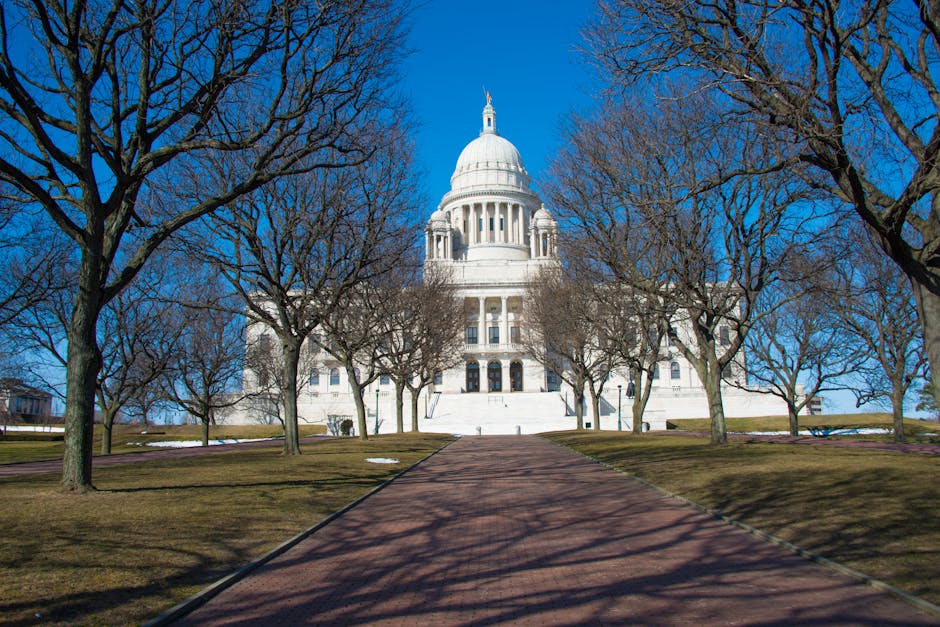
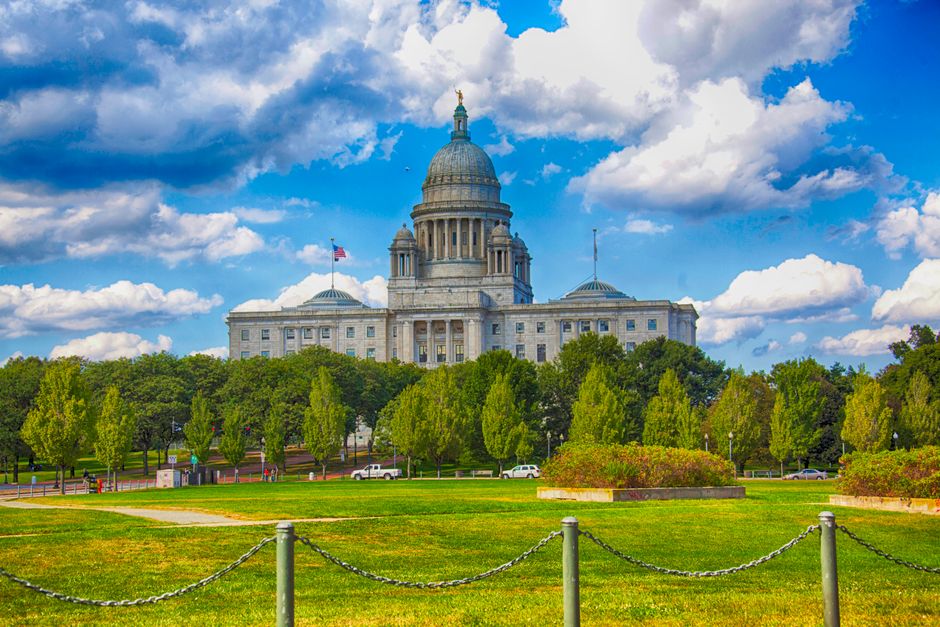
The Rhode Island State House sits on a hill with actual views of the city and the State House itself, completed in 1904, is genuinely impressive—that dome is something. You can take a tour and most people don't, which means you'll move through the building without crowds. The interior is ornate in that early-1900s government building way that feels specific to a particular moment in American architecture. More importantly, the State House sits at the beginning of a neighborhood walk that actually reveals something about Providence's bones.
From the State House, walk down Benefit Street. This is the real Providence: Federal-era row houses, narrow sidewalks, the kind of street that looks like it hasn't changed much in 150 years. There's a particular density of history here that the tourist infrastructure doesn't really spotlight. You'll pass the First Baptist Church, which is architecturally significant if you care about that, but also just interesting as a building that someone built and people have used. The whole corridor—University Hall, the various churches, the older institutional buildings—tells you something about what Providence was before it became a college town with some cultural attractions.
The Arcade: Overrated as Dining, Underrated as a Building
The Arcade opened in 1828 and it's the country's first indoor shopping mall. This fact gets repeated constantly and people visit expecting either a time capsule or a trendy food court. It's neither, really. The ground floor has some chain restaurants and the second floor is half-closed. But the architecture itself—the skylights, the proportions, the sheer ambition of the thing—is genuinely worth seeing. Just treat it as a building to walk through, not as a destination for food or shopping.
The Real Finds: Places That Actually Work
Head to Federal Hill—Providence's Italian neighborhood—and ignore the canonical restaurants that have made the list in every guidebook. Instead, walk Atwells Avenue in the evening when families are actually using the street. There are bakeries, delis, and a few bars that feel like they exist for locals, not tourists. You'll find decent Italian food and the neighborhood actually has life to it, which is something you won't get from the manufactured downtown experience. The Federal Hill area also has more visual texture than you'd expect—smaller streets opening onto unexpected squares, older buildings in decent condition.
The Brown Street corridor running through Providence's historic African American neighborhood has interesting cultural history and architecture that most tourists completely miss. It's not packaged as a formal walking tour, which is partly why it's worthwhile. There are galleries, small restaurants, and the physical presence of a community with actual depth. The street itself requires some care to navigate—the neighborhood isn't gentrified and isn't trying to be—but it's real.
The East Side Restaurants Worth the Trip
Everyone visits downtown Providence or Brown's immediate neighborhood. The east side—Mount Hope, the areas around Hope Street—have restaurants that are actually good and actually used by people who live in the city rather than people passing through. The restaurant landscape changes seasonal and by the time you read this things will have shifted, but the pattern holds: good food is not on the main tourist drag. It's a fifteen-minute walk or a short ride to the east and the restaurants have prices that suggest they're not pricing for the tourism market. You'll recognize fewer faces from Rhode Island tourism boards.
Why This Matters
Providence is at that size where it still has real neighborhoods and actual residents whose lives don't revolve around tourism. That's its actual appeal, even if the marketing materials don't emphasize it. Spend two days and you can hit the canonical stuff and leave feeling like you've seen Providence. Spend three or four and you start seeing the seams in that experience and finding the parts that are actually interesting rather than officially designated interesting.
The overrated spots aren't bad. They're just less interesting than what happens if you wander a bit and talk to people who actually live here. Providence's value isn't in its attractions—it's in being a functioning northeast city that's small enough to move around in and weird enough to have personality. Once you understand that, everything else follows.



