I showed up in Richmond on a Thursday evening with no particular plan beyond finding coffee and a neighborhood that felt like home. After six months of bouncing between cities and sleeping in too many Airbnbs, I needed a place where I could actually build something—a routine, a few regular spots, maybe friends who'd know my name at the coffee shop. What struck me immediately was how Richmond doesn't try too hard. There's no velvet-rope energy, no sense that you need to be here ironically or for the Instagram. People actually live here.
The neighborhoods that work best for young professionals aren't always the loudest or the most written-about. They're the ones with a workable commute, a bar you don't hate, and rent that doesn't require a six-figure salary. I spent time in six of them and came away with a clear sense of who thrives where—and who'd be frustrated within six months.
Shockoe Slip and Shockoe Bottom: Walkability Meets Nightlife
Shockoe Slip sits in the heart of downtown, built around cobblestones and old tobacco warehouses now converted into restaurants, galleries, and offices. You can walk to literally everything—work, lunch, drinks, a movie. The neighborhood feels intentional in a way that doesn't come across as sterile. There's foot traffic on weekends, but not the crushing masses of a major city center.
If you're 25 and want late-night options without a ten-minute Uber ride, this works. If you're 32 and want quiet on a Tuesday? You're going to hear noise from restaurants and bars until 11 or midnight. Shockoe Bottom, just south, has the same bones but skews slightly younger and rowdier—more dedicated nightlife venues, more college students. Slip is the professional's version; Bottom is the twenty-three-year-old's version. Rent is higher than most Richmond neighborhoods. Walking to work is the trade-off that makes it worth the price for people who value time.
The Fan: If You Like Walkability Without the Scene
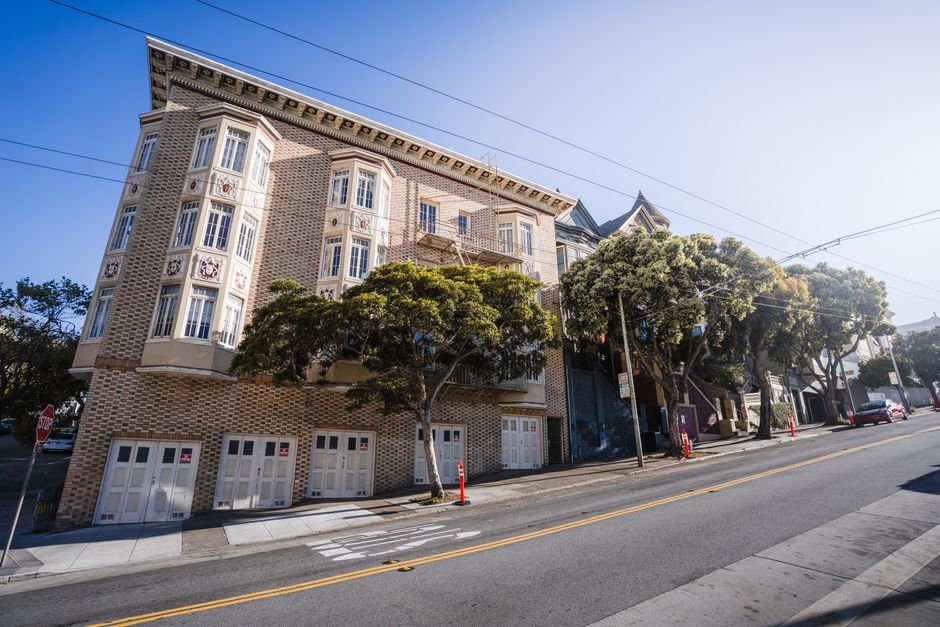
The Fan is all tree-lined streets and Victorian row houses, with graduate students, young married couples, and professionals in their thirties who've decided they want a front porch more than they want late-night options. Stuart Circle and the surrounding blocks feel residential in a way that most downtown-adjacent neighborhoods don't. You can walk to cafes, restaurants, and a small bookstore. You can also just sit outside in the evening without being surrounded by bachelorette parties.
The neighborhood works best if you like your urban amenities delivered at a neighborhood scale rather than a city scale. It's quieter than Shockoe, more stable, less prone to dramatic turnover. Rent is reasonable—not as cheap as outer neighborhoods, but you're paying for the walkability and the aesthetic consistency rather than paying for access to a specific nightlife cluster. Young professionals who grew up in suburbs often find The Fan feels familiar in the right way: you get the city without every evening being "downtown."
Scott's Addition: Flexible Space and Food-Focused Crowd
Scott's Addition sits west of downtown, built on old industrial blocks that have been converted into studios, restaurants, breweries, and offices. It has the energy of a neighborhood that's still being actively built—cranes, new storefronts appearing, people tearing into old brick buildings and repurposing them. The crowd skews creative and entrepreneurial: restaurant workers, designers, people who telecommute and want an interesting neighborhood to telecommute from.
You'll find serious food here. Restaurant groups have invested in this neighborhood, not just opened a satellite location. The brewery scene is stable and doesn't feel like a gimmick. What you won't find is finality—the neighborhood is still mid-transformation, which means some months feel exciting and some months feel uncertain. Rent has climbed steadily over five years. Young professionals who care about food and don't need a massive nightlife infrastructure often thrive here. People who need things to feel established before moving in might find the ongoing flux frustrating.

Church Hill: Character and Emerging Restaurant Scene
Church Hill is residential and hilly and has the kind of character that doesn't come from branding—it comes from people actually living there for decades. The neighborhood is predominantly Black, with a real community history that goes back to slavery and Reconstruction. You can walk to the farmer's market at Maymont Park, hit several good restaurants and bars, and still get back to a quiet street where you can hear yourself think.
The neighborhood works best for young professionals who want authenticity over trend, who like eating at places where the owner recognizes regulars, and who don't need a new concept to open every month to feel stimulated. Church Hill has been experiencing investment and incoming residents for about a decade now, which means you'll find newer coffee shops and restaurants alongside longstanding institutions. Rent is moderate compared to downtown neighborhoods. The trade-off is that the neighborhood is farther from downtown employment centers—your commute might be 15-25 minutes depending on where you work. If you're someone who values evening and weekend atmosphere over cutting ten minutes off your commute, Church Hill deserves real consideration.
Manchester: Newer Development, Industrial Bones
Manchester sits directly south of downtown, just across the river. It's the youngest neighborhood on this list in terms of new construction—loft apartments in converted tobacco warehouses, new office buildings, restaurants that opened in the last few years. The neighborhood has momentum in a way that Church Hill doesn't. If you're looking for newness and you're willing to move into a place that's still being actively developed, Manchester will deliver that.
The crowd here skews younger, more transient. You'll find people in their late twenties who've just moved to the city for a job, people who haven't decided if they're staying in Richmond yet. The nightlife and restaurant scene feels newer and less established than Scott's Addition or Shockoe. Rent has climbed significantly in the last three years—it's no longer a bargain neighborhood. Manchester works best if you want to be close to downtown, you like living in newer construction, and you're comfortable in a neighborhood that still feels somewhat in flux. If you want deep neighborhood roots or a long-established social scene, you'll be building that from scratch.
Northside: Affordable with Trade-Offs
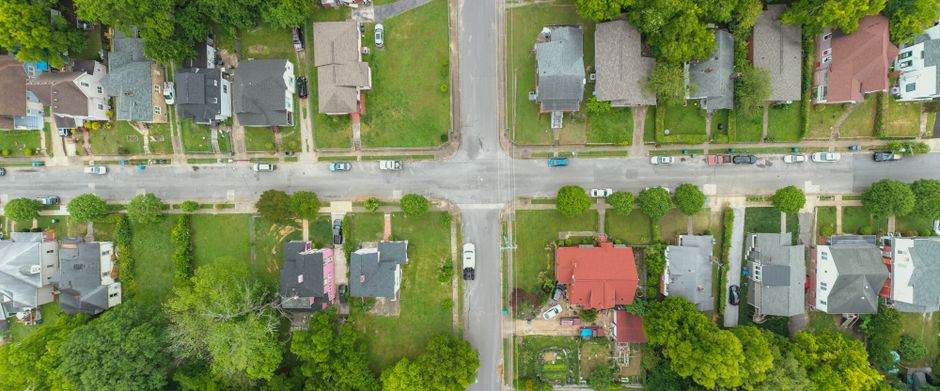
I'm hesitant to write about Northside the way other articles do—as a simple "up-and-coming" story. The truth is more complicated. Parts of Northside are genuinely affordable, with good access to restaurants and bars. Parts of Northside have higher rates of street crime than downtown neighborhoods. Some blocks feel established and safe; others feel empty or unsettled. Young professionals who've moved here have mostly done it because they wanted more space or lower rent, not because Northside has an obvious neighborhood character or scene.
If you need to keep rent below $1,000 and you're comfortable making your own neighborhood experience rather than relying on an established infrastructure, Northside is worth looking at. Do the work of understanding exactly which blocks you're considering. Spend an evening there. Talk to people who already live there. Don't move to Northside because an article told you it's cool. Move there if the specific block works for your life and your budget.
When to Stop Looking and Actually Move
The honest part: you could spend three months researching Richmond neighborhoods and still end up somewhere different than you planned. Neighborhoods feel different on a Tuesday than they do on a Saturday. A bar that seems fun when you first visit can feel tired after six months. An affordable block can start feeling isolated once you're living there.
The best approach is to visit each neighborhood at different times of day, talk to people who actually live there, and ask specific questions about the things that matter to you. If quiet matters more than nightlife, The Fan makes more sense than Shockoe. If you want to keep rent below $1,000, you're making different choices than if you have $1,500 to spend. If your job is in Manchester, a 25-minute commute from Church Hill becomes a 45-minute commute. Richmond is a real city, not a concept, and the best neighborhoods are the ones that match how you actually want to live.
Frequently Asked Questions
what is the best neighborhood in Richmond VA for young professionals
Shockoe Slip and Scott's Addition work best for young professionals who want walkability and established nightlife. The Fan appeals to professionals who prefer quiet over scene. Your choice depends on whether you prioritize commute time, nightlife, or neighborhood character. Spend an evening in each before deciding.
is Richmond VA safe for young adults
Downtown neighborhoods like Shockoe Slip, The Fan, and Scott's Addition have stable foot traffic and visible police presence. Church Hill and Manchester have lower crime than outer Northside areas, but crime varies by specific block. Exercise normal city caution and avoid walking alone late at night in less-trafficked areas. Talk to current residents about their specific street.
what neighborhood in Richmond has the best restaurants
Scott's Addition and Shockoe Slip both have serious food scenes with established restaurants and continued investment. Church Hill has good neighborhood restaurants alongside new openings. Scott's Addition is better if you want current momentum and trend-forward dining; Church Hill offers a mix of newer spots and longstanding institutions with deeper community roots.
Which neighborhood catches your eye?