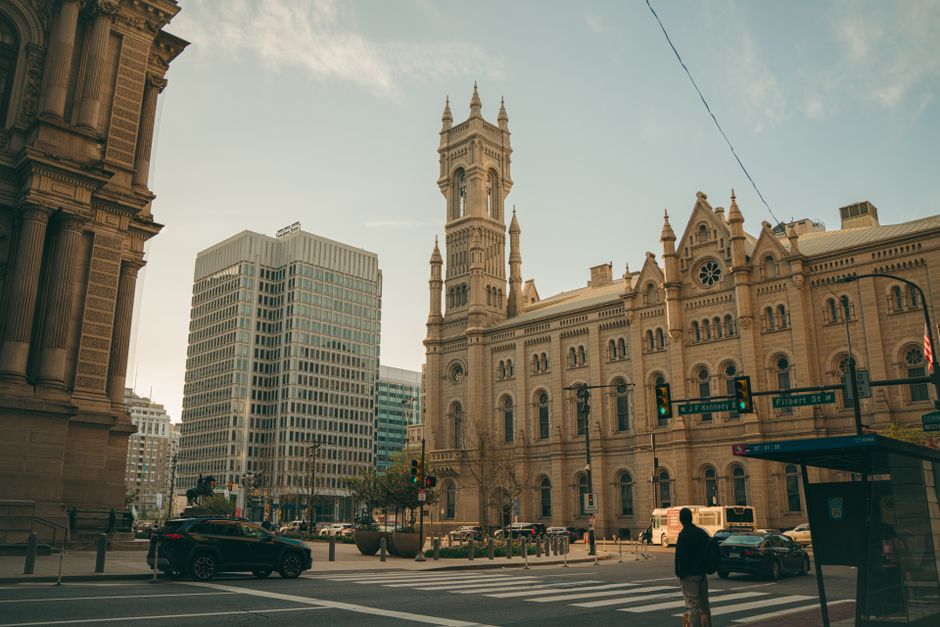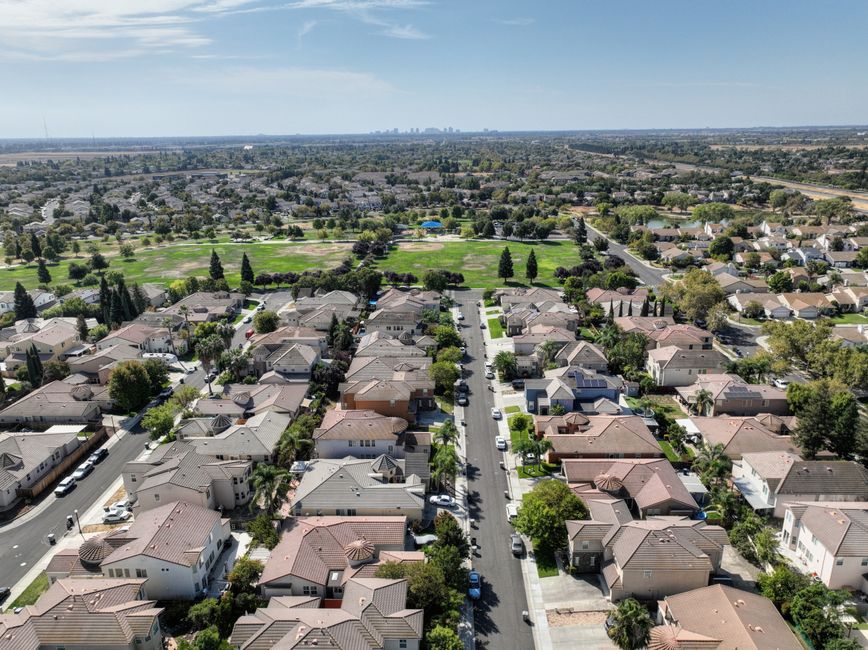
I rolled into Sacramento on a Thursday afternoon expecting a sleepy state capital. What I found instead was a city with real character—neighborhoods that actually feel distinct from each other, not the usual suburban sprawl. The weather was warm, the light was golden, and I realized I'd been wrong to dismiss the place before visiting. If you're thinking about moving here or just passing through, understanding which neighborhood fits your style matters more than you'd think.
Sacramento's layout is fairly compact once you get to know it. The city sits where two rivers converge, and the older, more interesting parts of town cluster near downtown and fan out along tree-lined streets. You can spend a weekend exploring several neighborhoods on foot or bike, which is exactly what I did.
Midtown: Where Everyone Under 40 Seems to Live
Midtown is the obvious choice if you want walkability, bars, restaurants, and the feeling that something's actually happening. It's the 20-block rectangle bounded roughly by 16th and 28th streets, with J Street forming the spine. The vibe is young, casual, and unpretentious in a way that feels authentic rather than manufactured.
You'll find the bulk of the city's dining scene here—everything from food-truck permanent locations to proper sit-down restaurants with rotating menus. The coffee shops are good without being precious. There's live music most nights at various bars, and the weekend foot traffic gets genuinely busy. Renting or buying here means walking to dinner, grabbing a coffee in the morning, and probably knowing some of your neighbors' names within a month. It's not cheap, but for young professionals or anyone who wants an active social life, it's the obvious landing spot.
One word of warning: parking is tight. If you have two cars, you're going to be frustrated. But if you're biking or comfortable with street parking and a little walking, it works fine. The light rail runs through here too, which helps.
Land Park: Victorian Charm for Families
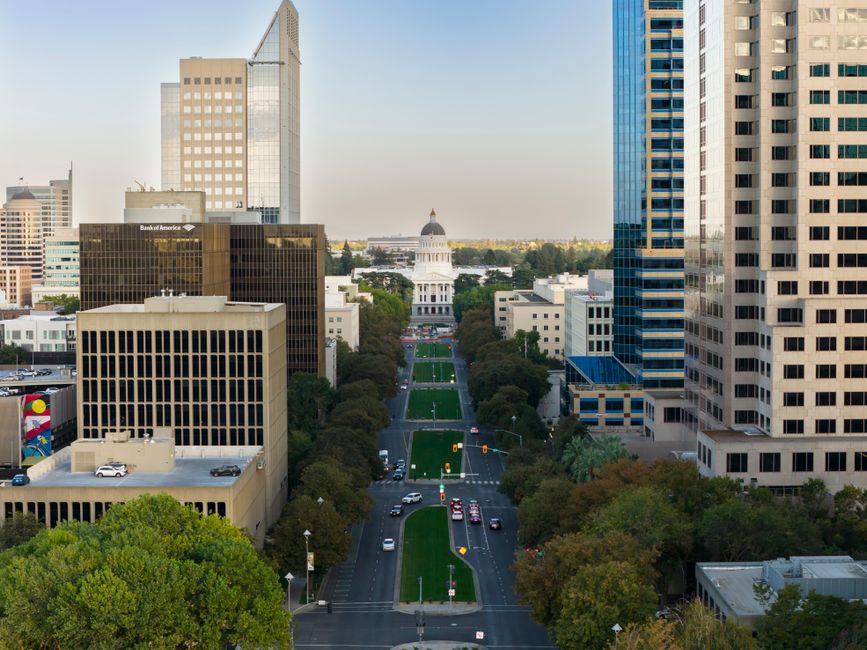
Land Park sits just south of downtown, across the H Street Bridge, and has the feel of a real neighborhood rather than a commercial district playing at being one. Tree-lined streets, actual yards, Victorian and craftsman homes that haven't all been stripped of their character. You'll see families biking to the farmers market on Saturday mornings and kids actually outside playing.
The neighborhood is anchored by Land Park itself—a genuine regional park with trails, a zoo, a public golf course, and enough green space that you feel removed from the city even though downtown is maybe two miles north. The pedestrian corridor along Land Park Drive has independent restaurants and shops, though nothing trendy or chain-heavy. It's the kind of place where your neighbors might have lived for fifteen years.
If you're a family, considering a quieter lifestyle, or you like older homes with actual bones to them, Land Park is worth serious consideration. It's more expensive than some Sacramento neighborhoods but cheaper than comparable family-friendly areas in the Bay Area. The tradeoff is that it's less walkable than Midtown for entertainment—you're driving or biking to dinner more often. That's actually a feature for some people, not a bug.
Old Sacramento: Tourists and History Buffs
Old Sacramento is the wooden-boardwalk historic district that sits on the Sacramento River waterfront. It's touristy—unquestionably so. There are T-shirt shops, paddleboat rides, and restaurants that cater to visiting families. But there's also actual history here, and it's worth spending an afternoon walking around, even if you don't live in the area.
The buildings are original 19th-century structures, mostly preserved well enough to feel authentic rather than Disneyland-fied. The California Railroad Museum and State Indian Museum are both here and both worth your time. There are a handful of decent restaurants tucked among the souvenir spots, and the riverfront itself is pleasant to walk along. On a weekend morning before the crowds hit, it's genuinely nice.
If you're visiting Sacramento for a day or two, Old Sacramento is a logical starting point. You can walk the length of it in under an hour, eat lunch, museum-hop, and understand a chunk of California's early history. As a place to live? It's quieter and more residential in the blocks just behind the main drag, but most of what's marketed as Old Sacramento proper is aimed at tourists. Some people live here and enjoy it—the river views are real, and the neighborhood has character. But be clear about what you're getting into.
Pocket and South Sacramento: Quieter, More Affordable
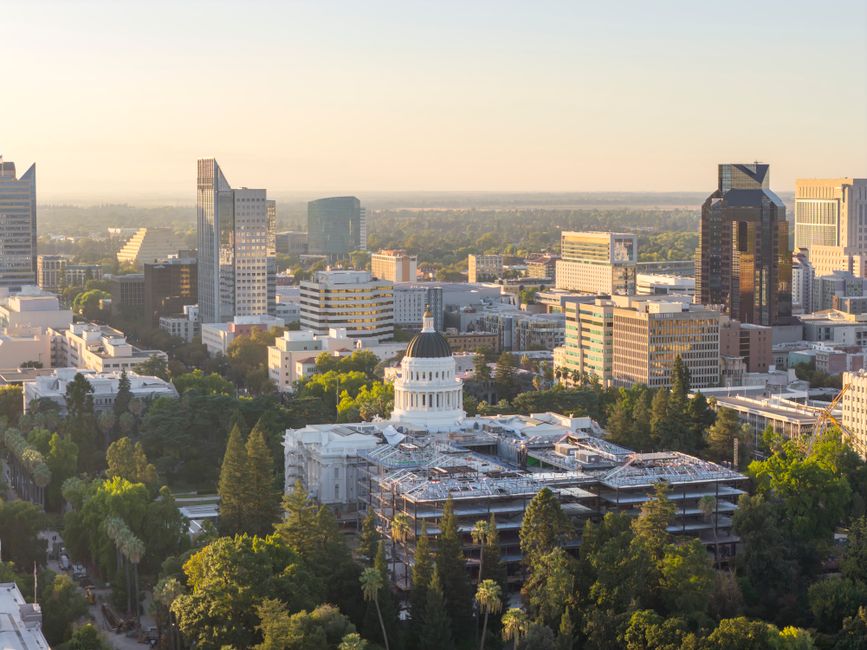
South of the grid downtown, neighborhoods like Pocket and the adjacent areas offer what you get in other Sacramento neighborhoods but cheaper and quieter. You're trading some walkability and nightlife for space, yards, and a slower pace. The streets actually branch into curves instead of the rigid grid system, which feels genuinely different from the rest of the city.
These areas have seen investment and renovation over the past several years, but they haven't been gentrified into oblivion yet. You can find decent homes at prices that would seem insane in the Bay Area, with actual square footage and land. There are pockets of good restaurants and coffee shops, though you're driving more often. The American River Bike Trail runs nearby, which is legitimately one of the best urban trails in Northern California.
The neighborhoods are less dense, less urban, but also less exhausting. They appeal to families who want space, remote workers who need quiet, and people who are priced out of Midtown or Land Park but still want to live in Sacramento proper. The tradeoff is that you're not living in the city's cultural or nightlife center—you're living in a residential area that happens to be in Sacramento.
East Sacramento: Established and Tree-Heavy
East Sacramento starts around 39th Street and fans eastward, and it's the neighborhood that makes you realize Sacramento actually has tree canopy. The streets are genuinely shaded. The homes are mostly mid-century craftsman and some newer infill, and there's real money here without the aggressive newness of some neighborhoods.
It's established in the way that feels stable rather than stuffy. There are long-term residents, families who've been here for decades, young couples buying their first homes. The commercial strips along Folsom Boulevard and nearby streets have some good restaurants and shops, but nothing that screams for attention. It's the neighborhood you choose if you want a livable urban environment without constantly feeling like you're in someone's Instagram photo.
East Sacramento suits professionals with families, retirees who want urban conveniences, and people who value a mature neighborhood with established character over novelty. It's less flashy than Midtown, more residential than Old Sacramento, and honestly feels more authentically Sacramento than some of the neighborhoods trying harder to be something.

Where to Actually Start
If you're moving here, spend a weekend visiting neighborhoods instead of making a decision based on internet research. Drive through Midtown on a Friday night and see if the energy appeals or exhausts you. Walk Land Park on a Saturday morning. Bike the American River Trail and see which neighborhoods sit along it. Grab lunch in a few different areas. Neighborhoods feel completely different on the ground than they do on a map.
Sacramento is big enough to have real character and choice, but small enough that you can actually get to know multiple neighborhoods in a weekend. That's not true of most California cities anymore. Use it while it's still true.