I pulled into Sacramento on a Thursday afternoon expecting the usual state-capital letdown—a few decent museums, chain restaurants, and streets that empty out by 8 p.m. What I found was more complicated than that. The city's got real problems: sprawl, pockets of actual neglect, a downtown that's still clawing its way back from decades of disinvestment. But it also has stuff that's quietly working, places where locals actually gather that tourists never find. Spending a week here meant ditching the official guidebook pretty early and following my nose instead.
The Capitol Building Is Fine, But It's Not That Fine
Look, the State Capitol is impressive architecturally. Gold Gilded dome, decent renovation that wrapped up in 2021, and the grounds are genuinely pleasant for a stroll. But tourists flock here like it's Independence Hall, and honestly? You can see it in 45 minutes. The free docent-led tours are competent but thin—lots of "this is where they signed things" without much meat on the bone. The gift shop is overpriced. And on hot days, which Sacramento has many of, standing in line to get through security while the sun beats down on you in a parking lot is not anyone's idea of fun.
You're better off walking the Capitol Park grounds on your own, reading the plaques, and then heading three blocks away to some place that actually serves the city instead of just visitors.
Skip the Overhyped Downtown Waterfront Park
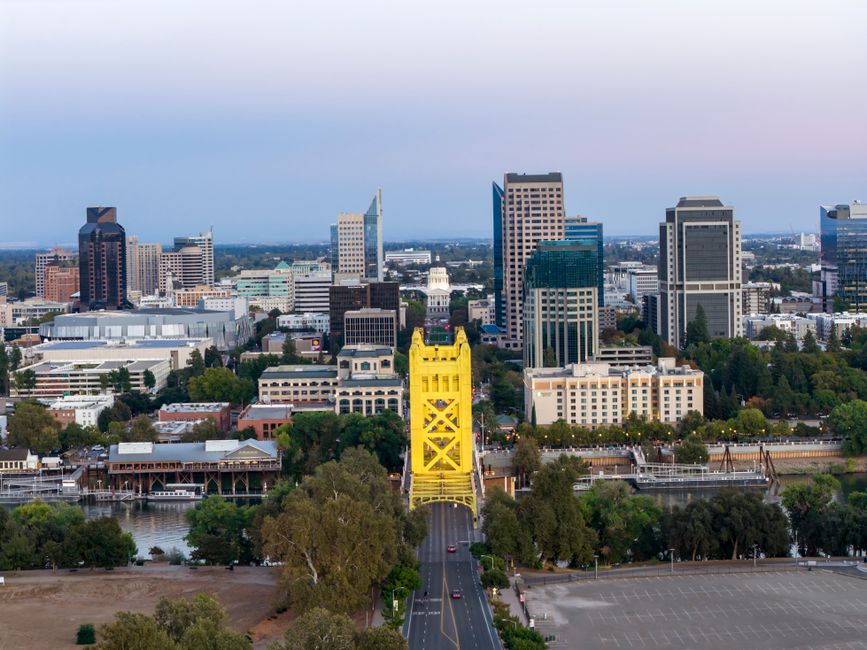
The American River Parkway waterfront area near Discovery Park gets marketed as Sacramento's "riviera." It's landscaped, it's pretty, and in certain light it almost feels like something. But the park itself is shallow—you walk along the same strip twice and you've seen it. The restaurants along there are mediocre and expensive. The actual connection to the river is weirdly limited for a city that should be built *into* its water. On weekends it's full of Instagram hunters looking for the same photo.
If you want riverside time, the American River Bike Trail itself is worth it, but go for the ride, not the park infrastructure. And honestly, the real waterfront character in this city is tucked away at smaller access points and in the neighborhoods people don't list in guidebooks.
The Railroad Museum Is Better Than It Has Any Right to Be
Most people skip the California State Railroad Museum or treat it as a side note. That's a mistake. This place is genuinely well-curated—the restored trains are impressive without being pretentious, and there's actual historical substance here about how rail shaped California and this region specifically. The volunteer operators know their stuff. It's not crowded like the Capitol. Kids get something real out of it instead of just checking boxes.
You could spend three hours here without feeling like you're in a tourist trap. It's in a converted railroad depot, so there's real architectural character that the newer downtown stuff lacks. If you've got even a passing interest in how things move and how places get built, this museum earns its ticket price.
Forget the Farm-to-Table Restaurants Everyone Mentions
Sacramento has a farm scene—it's the Central Valley's capital. So naturally there are a dozen restaurants pushing local-sourced everything, open kitchens, minimalist plating. They're fine. They're also expensive, often pretentious without backing it up, and they close by 9:30 p.m. You'll wait in line, pay $35 for a salad, and leave feeling like you've been to a photoshoot instead of dinner.
Instead: eat Vietnamese in South Sacramento. Eat Mexican in the neighborhoods where the food isn't designed for Instagram. Hit the Thai spots where they actually make it spicy if you ask. The taquerias along Stockton Boulevard deliver more character and better execution for half the price. The pho is fresher because they're not waiting for trendy people to care—they're feeding their community.
The Crocker Art Museum Is Criminally Overlooked
While people are standing in line at the Capitol, the Crocker Art Museum sits a few blocks away in a renovated Victorian mansion complex and doesn't get nearly the foot traffic it deserves. The collection is real—strong California art, contemporary work, solid European pieces. The building itself is beautiful and worth the trip on those grounds alone. It's intimate without feeling small. The fact that it doesn't have an endlessly crowded gift shop full of mediocre prints is actually a feature.
Go on a weekday afternoon and you'll have rooms almost to yourself. The admission is reasonable, and they let you move at your own pace without the school-group logistics that make other museums feel like herding. The cafe isn't trying too hard and has actual good coffee.

Dive Into Old Sacramento's Side Streets, Not the Tourist Drag
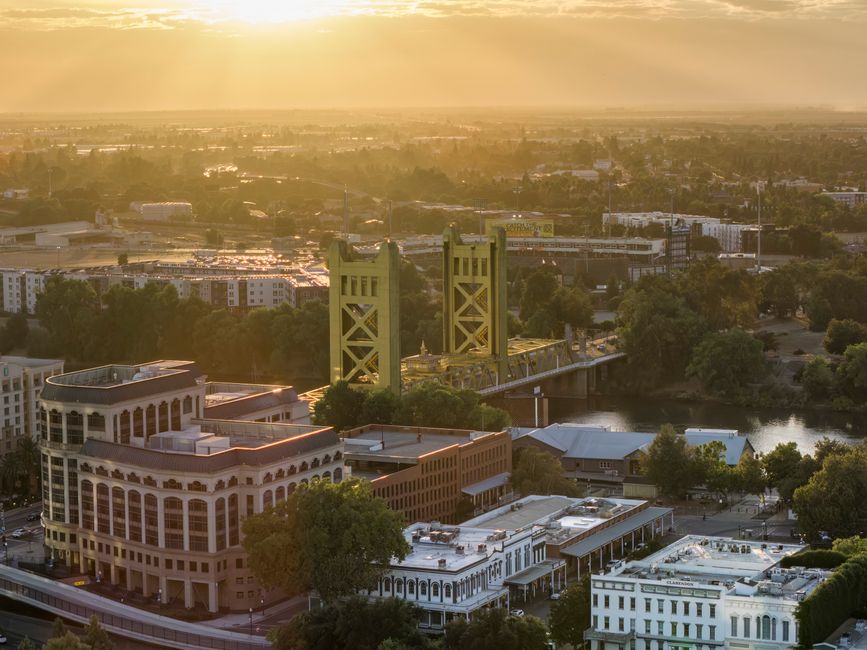
Old Sacramento—the wooden boardwalk area along the river—is a must-see on every list. It's touristy, yes, but that's partly because it's the only part of Sacramento that most people bother to walk around. The problem is that most visitors stick to the main strip with the candy shops and riverboat tours, then leave thinking they've done Old Sacramento.
The real juice is in the side streets and the upper levels of buildings. There are antique shops, small galleries, and actual bars where people have conversations instead of performing them. Walk up the hills into the residential blocks and you'll find 19th-century homes, quiet corners, and a sense of what the city actually was. The K Street area has been quietly revitalizing with local breweries and smaller restaurants that cater to people eating, not to people posing.
Get Out to the Neighborhoods: Midtown and Curtis Park
Sacramento's real life happens in Midtown and Curtis Park, where you'll find independent bookstores, local coffee shops, galleries that actually show living artists, and people who live here by choice instead of accident. The Restaurant Row area on Capitol Avenue has real restaurants—not chains, not Instagram plays. Faces Lounge and Dive Bar still have personality. Pushkin is unpretentious and excellent. The bookstore scene here, with places like Beers Books and Leatherbound, feels like something that actually matters to the community.
Curtis Park specifically is where Sacramento feels like it has a future. The neighborhood's been remade in the past 15 years without losing its bones. You can get a real meal, browse without being sold to, and have a conversation. It's where Sacramento's young professionals and established locals overlap instead of avoiding each other.
The Actual Sacramento Worth Your Time
Most cities wear their value on the surface. Sacramento makes you work for it a bit, which is probably why it doesn't end up on a lot of "best California weekends" lists. But that's also why it's not exhausting. You're not fighting crowds at photo-op spots. You're not overpaying for the privilege of checking boxes. The museums are good because they're made for people who actually care, not engagement metrics. The food is real because there's a real city underneath the tourist veneer.
If you go to Sacramento looking for theme-park attractions, you'll be disappointed. If you go looking for a place where smart cities are actually built and rebuilt, where history is still being negotiated instead of locked away, where you can eat well and walk around and think about something other than whether your photo will perform well online—you'll find it.