I rolled into San Antonio on a humid June afternoon, the kind of heat that makes you understand why the locals moved here centuries ago and then stayed put. The city doesn't announce itself with a skyline so much as a sprawl—it spreads out in pockets of personality, each neighborhood telling a different story about who lives there and why. After spending the better part of two weeks bouncing between areas, crashing with friends and in short-term rentals, I realized San Antonio isn't the sort of place where you pick a neighborhood sight unseen. You have to feel it out.
The thing about San Antonio is that it's growing fast, but it's also deeply rooted. You've got tourists and tech workers and multi-generational families who've been here since their abuelas arrived. The neighborhoods reflect all of that—some are built for weekend visitors, others are where people actually live their lives. Here's where I'd plant myself, depending on what kind of life I was trying to build.
Downtown/River Walk: Where Tourism Meets Reality
The River Walk is the obvious starting point, and look, it deserves the attention. A network of pedestrian pathways snakes along the San Antonio River about 20 feet below street level, lined with restaurants, bars, shops, and enough foot traffic that you'll never feel like you're alone. Hotels here run expensive year-round, but if you're visiting for a long weekend or you're someone who works downtown and wants to roll out of bed and be at your office, it works.
The truth is, living right on the River Walk itself isn't as romantic as it sounds once you're doing it daily. The crowds stay consistent from morning through late night. The noise is manageable but present. Where I'd actually recommend landing is the blocks immediately surrounding it—the Pearl Brewery District sits just north and feels less like a theme park. You get the proximity to restaurants and culture without the constant churn of tour groups. It's pricey, but less aggressively so than the immediate river corridor, and the neighborhood has real residents, not just seasonal visitors.
This zone suits short-term visitors who want walkability, couples who don't mind tourist energy, and people working in downtown's financial district. If you need quiet or space or anything remotely resembling affordability, keep looking.

Southtown: Art, Indie Food, and Actual Neighborhood Feel
Head south from downtown past Mission Concepción and you hit Southtown, which has spent the last ten years transforming into something genuinely interesting without losing its working-class roots. The commercial strips along South Alamo and South Presa are where you notice it first—artist studios, local coffee shops, restaurants run by people who actually live here, not franchises pretending to be local.
The vibe is less polished than Pearl but more authentic. You'll find murals, street art, galleries, and a Saturday farmer's market that feels like actual community rather than performance. The housing stock is mixed: older single-family homes, some renovated, others still waiting for their turn; a growing number of new townhomes and apartments aimed at young professionals and artists. Prices are climbing but haven't reached downtown levels, and there's a sense that you're getting in on something before it gets too precious.
Southtown works best for young professionals, artists, and people who want to be in the city but aren't chasing the tourist-zone energy. Families with kids find it welcoming too—there's room to breathe, independent businesses where people know you, parks that don't feel overcrowded. The main drawback is that public transit remains limited, so you'll need a car or be comfortable with rideshares for getting beyond the immediate neighborhood.
Alamo Heights: Money, Space, and Old San Antonio
North of downtown, Alamo Heights is what happens when a neighborhood gets expensive early and stays that way. Tree-lined streets, large homes on substantial lots, good schools, and the kind of quiet that tells you property values have been climbing for decades. It's affluent without being showy about it—you're not seeing McMansions so much as established homes with actual character, many of them dating back to the early 1900s.
This is retirement territory, but also where established professionals and families with means settle when they're ready to stop moving around. The Broadway corridor has decent restaurants and shopping; the neighborhood feels separate from downtown without being remote. Commutes are reasonable. If you're moving to San Antonio with a real job and real money and you want to plant roots somewhere safe and stable, Alamo Heights is the obvious play.
The trade-off is that you're paying premium prices in a neighborhood that doesn't offer the cultural buzz of Southtown or downtown. It's residential by design. There aren't night spots or galleries or the kind of casual discovery you get in mixed-income neighborhoods. If that appeals to you—and it does to plenty of people—you're home. If you crave walkability or younger energy or a sense of neighborhood evolution, look elsewhere.
Southside: The Real San Antonio
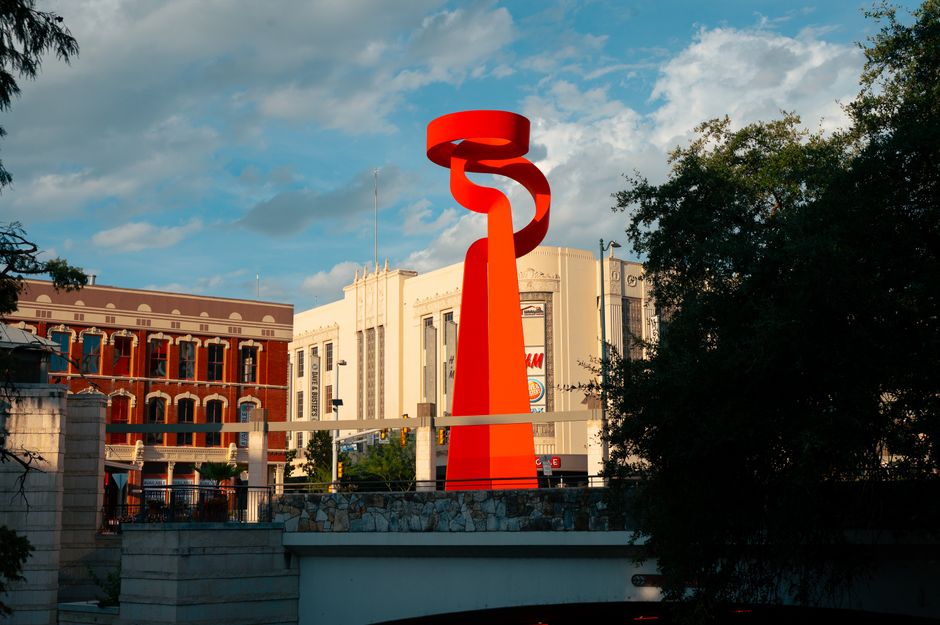
The Southside—and I'm talking the actual South Side, not Southtown, which has become its own thing—is where you find the San Antonio that tourism boards don't feature. These are neighborhoods where extended families have lived for generations, where Spanish is the primary language for a significant portion of the population, where you'll find hole-in-the-wall taquerias and family-owned mercados that have been operating since before you were born.
Housing is notably cheaper than downtown or Alamo Heights. You can rent a decent apartment or even buy a home here on a moderate income—something increasingly rare in the city. The neighborhoods around Roosevelt Avenue and across toward Mission Espada have genuine community structure: schools, churches, local businesses that serve locals, not tourists. The street life is more active than some neighborhoods, less manicured, more real.
The Southside suits people who value affordability and authenticity over polish. Families, immigrants, retirees on fixed incomes, and anyone looking for actual neighborhood culture rather than curated experience. The infrastructure varies—some pockets have seen recent investment and improvement, others are waiting for it. Public transit is better here than in some areas, though a car is still useful. One note: crime statistics vary by specific block, so actual neighborhood touring and local conversation are important before committing.
Government Canyon/Stone Oak: Suburban Comfort
If you drive far enough north, you hit the newer suburban growth—Government Canyon and Stone Oak are where San Antonio families with kids and moderate incomes have been moving for the last fifteen years. These are planned neighborhoods, shopping centers, chain restaurants, and the kind of suburban infrastructure that appeals to people who've raised kids in these conditions before and want to replicate it. Schools tend to be newer and well-funded. Property values are climbing as the area expands.
It's comfortable, safe, and if you have kids and a regular job, it makes logistical sense. You're not paying Alamo Heights prices, you have space, and everything works as designed. The trade-off is that there's nothing distinctly San Antonio about it—it could be suburban Denver or Austin or Phoenix. If that's actually what you want, it's a solid choice.
This neighborhood suits families, corporate relocations, and people for whom stability matters more than character. You'll need a car. You won't stumble into unique experiences. You will get a predictable, functional life in a place that's planning for growth.

Fort Sam Houston Area: Quiet and Specific
There's a neighborhood that doesn't get discussed as much, which exists around and near Fort Sam Houston on the northeast side. It's quieter than downtown, cheaper than Alamo Heights, and has a particular character tied to its military history and the presence of the base itself. Housing options include older military housing, private homes, and newer developments. The neighborhood feels slightly removed from downtown's gravitational pull without being fully suburban.
It works for military-connected families, older residents who like the quietness, and people who want reasonable proximity to downtown without paying downtown prices. The trade-off is that it's not a neighborhood with robust nightlife or the kind of walkable commercial energy that younger folks tend to seek. It exists for practical reasons more than lifestyle reasons, and that's fine—sometimes practical is what you need.
So, Where Do You Actually Land?
After two weeks of wandering around, eating breakfast tacos in different neighborhoods, sitting in cafes watching people, I noticed that San Antonio doesn't really have a "best" neighborhood—it has neighborhoods that are best for specific lives. The River Walk is best if you want tourism or short-term visits. Southtown is best if you want authentic neighborhood culture with an artistic bent and some money to spend. Alamo Heights is best if you want established stability and don't mind the cost. The Southside is best if affordability and real community matter more than polish. Suburbs work if you're raising a family and want space.
Take a weekend before you commit. Spend an afternoon in each place. Eat somewhere local, sit in a park, talk to people at coffee shops. San Antonio's strength is that it has actual neighborhoods with actual character, not just branded districts. You just have to figure out which character is yours.