
I arrived in San Antonio on a sweltering June afternoon, the kind where the heat bounces off the River Walk pavement and hits you in the face like a physical force. Like most visitors, I had a mental checklist: the Alamo, the River Walk, the missions. But after a week of moving through the city at my own pace, talking to locals, and getting genuinely lost in a few neighborhoods, I came away with a different list entirely—one that challenged the usual tour-bus narrative.
San Antonio works best if you're willing to ignore the crowds occasionally and look sideways at what's actually interesting about the place. Yes, some of the famous stuff is famous for a reason. But some of it? You might save yourself time and money by skipping it outright.
The River Walk: Crowded and Underwhelming
Look, I get it. A river-level walk through downtown with restaurants and bars on both sides sounds charming. And in theory, it is. But the River Walk I experienced was a commercial theme park masquerading as authentic San Antonio. Every storefront was a chain or a tourist trap. Every restaurant had a five-person-deep wait and mediocre food at inflated prices.
The real problem is the sheer volume of people. Shoulder-to-shoulder shuffling isn't my idea of enjoying a city. I watched families trudge past the same River Barge tour repeatedly, everyone looking exhausted. The experience felt obligatory rather than revelatory.
If you must go, go early—like 7 a.m. early—or skip the main stretch entirely and walk the Pearl Brewery district instead, which has a similar riverside vibe but with actual character and breathing room.
The Alamo: Historical but Brutally Touristed
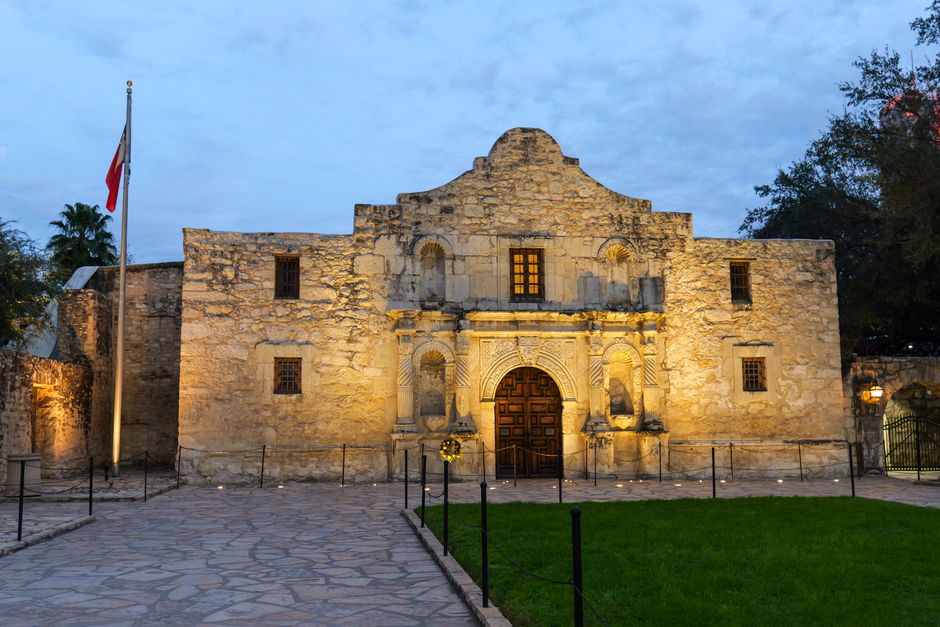
The Alamo is a real piece of Texas history, no argument there. But visiting it feels less like encountering history and more like standing in a crowded museum gift shop. The building itself is smaller than most visitors expect, hemmed in by downtown skyscrapers and surrounded by screaming children and people taking selfies.
You'll spend most of your time indoors in a cramped space with hundreds of other people, shuffling past displays and trying to read placards while someone's elbow digs into your ribs. The line to get in can stretch for hours. For the actual historical storytelling, you'd learn more from a book or even a decent podcast.
If Revolutionary Texas history interests you, save your energy. The mission trail south of downtown tells a far richer story.
The Pearl Brewery District: Actually Worth the Walk
Most visitors stick to the River Walk and miss the Pearl entirely, which is their loss. This former brewery compound has been thoughtfully redeveloped into a mixed-use neighborhood that feels like a real place where actual San Antonians spend time, not just tourists.
You'll find good coffee, art galleries, bookstores, and restaurants that aren't all trying to maximize table turnover. The architecture is interesting—industrial brick buildings converted into studios and shops. There's a farmers market on weekends. The vibe is genuinely creative, with local artists actually working in the spaces, not just selling mass-produced imports.
It's a twenty-minute walk from downtown, which is probably why most tour groups never make it. That distance is a feature, not a bug.
Southtown: The Art District Most Tourists Miss
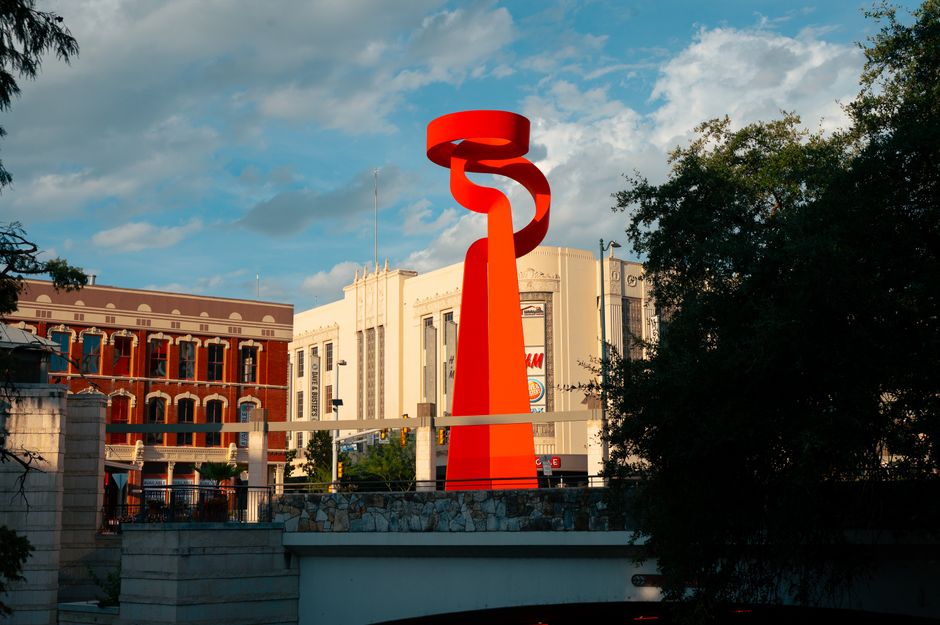
Just south of the main downtown corridor lies Southtown, which local artists have turned into a legitimate creative hub. This is where you'll find independent galleries, artist studios, murals worth actually looking at, and restaurants run by people who care about food rather than volume.
On the first Friday of each month, the neighborhood essentially becomes a street festival, with galleries open late and people wandering from studio to studio. Even on regular days, the energy is completely different from downtown—more bohemian, less commercial. You can duck into galleries and actually talk to artists. Prices are reasonable. The food is good.
I spent an afternoon here and encountered more of what I came to San Antonio to find than I did in two days downtown. The fact that most visitors never make it here tells you something about how tourism infrastructure works—and how to beat it.
Brackenridge Park: Free, Green, and Peaceful
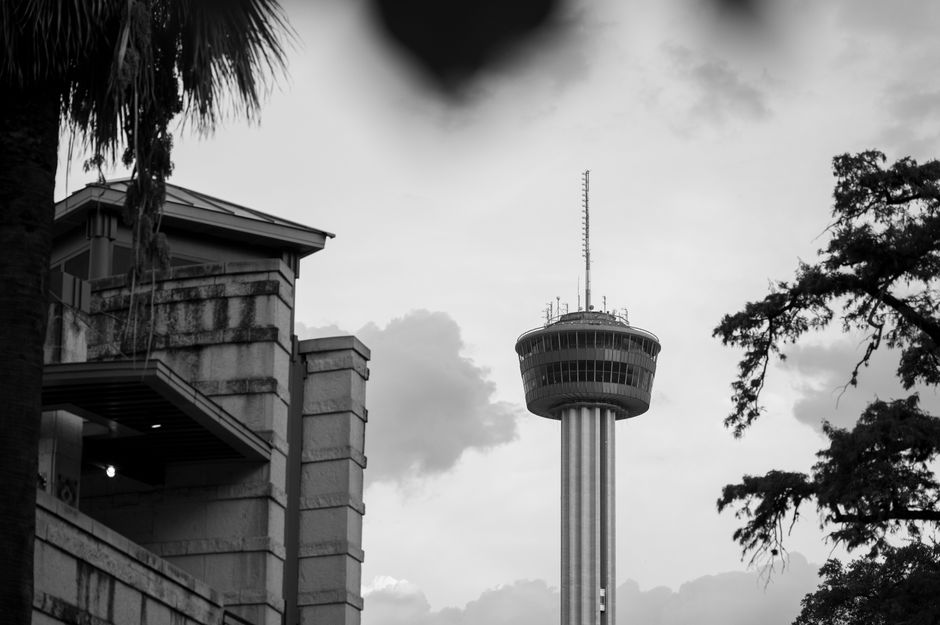
While crowds queue for paid attractions, Brackenridge Park sits just north of downtown offering actual respite. Yes, the San Antonio Zoo and Japanese Tea Garden are here, and they're fine if you care about those things. But the park itself—the trails, the open space, the trees—is the real appeal.
I spent a morning walking through it with a coffee, watching locals jog and read on benches, with no one trying to sell me anything. It's genuinely peaceful in a city that can feel aggressively commercial. The Japanese Tea Garden is worth a quick visit if you're in the area, but the park's best feature is its ordinariness. You get to see San Antonio as San Antonians actually use it.
It costs nothing and requires no planning. Just show up.
The Missions (But Not How You Think)
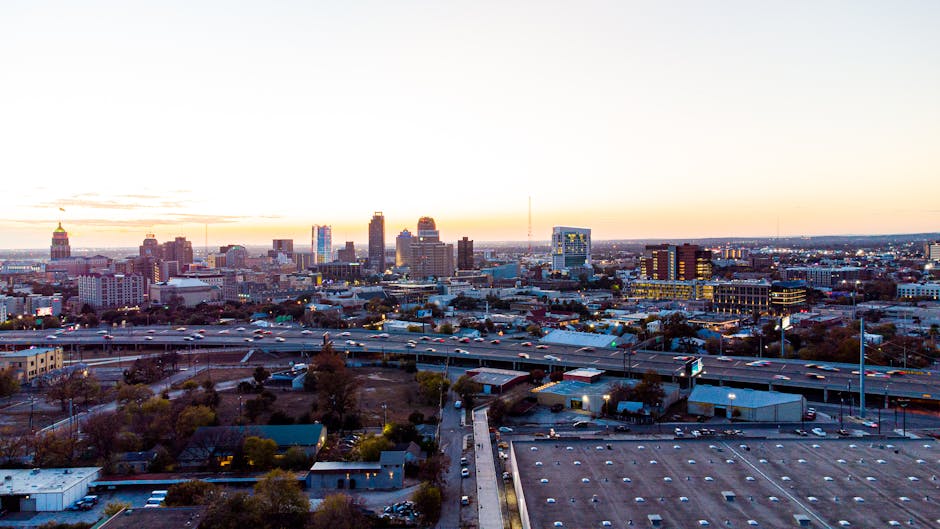
Here's where I partially contradict myself: the mission trail south of downtown is legitimately worth your time. But skip the organized tours. Rent a bike and visit them yourself, at your own pace.
The four Spanish colonial missions are spread out along the San Antonio River, and touring them yourself means you can spend thirty minutes at one and fifteen at another, depending on what catches your interest. Each is architecturally distinct. The grounds are peaceful. There are usually fewer tourists than downtown, and the ones who do show up tend to be more serious about actually looking at things.
Mission San José, in particular, has a level of architectural detail and historical narrative that makes it infinitely more interesting than the Alamo. And it costs barely anything to visit. The whole day—all four missions—can be done for next to nothing on a bike.
Market Square: Touristy but Functional
El Mercado is what the River Walk wants to be—a space that's both commercial and functional, where you can actually find local goods mixed in with the tourist stuff. Yes, you'll see plenty of souvenir stands and trinkets. But you'll also find actual food vendors, local crafts, and a genuine market energy that the River Walk has completely lost.
Go hungry and eat. Skip anything with a storefront and head to the food stalls in the back sections. The tacos are better and cheaper than downtown restaurants. The salsa is real. It's crowded, but it's crowded because it's useful, not because it's a tourist trap.
If you're going to spend time in a commercial area, this one at least feels like it has a purpose beyond extracting money from visitors.
Takeaway: Walk, Wander, Skip the Lines
San Antonio's best experiences don't have entrance fees or waitlists. Walk Southtown on a Friday evening. Rent a bike for the missions. Get lost in neighborhoods away from the downtown core. Talk to people at coffee shops. That's where the city actually reveals itself.
The famous stuff? It's famous because it's been marketed effectively, not necessarily because it's the best use of your time. Once you realize that, San Antonio becomes a much more interesting place.


