I rolled into Santa Fe on a October afternoon when the light was already turning that impossible gold. The elevation hit me first—7,000 feet, dry air that cracks your lips. Then the architecture: terracotta and adobe everywhere, no chain stores, streets that seemed designed to confuse rental cars. Within forty-eight hours I realized Santa Fe isn't one neighborhood you pick. It's a set of distinct villages, each with its own rhythm and price point, and where you land depends entirely on what kind of time you're after.
The city's small enough that you'll cross all these neighborhoods eventually. But if you're renting for a season or buying property, the difference between downtown and the Railyard, or between Tesuque and the south side, isn't just aesthetics. It's about how you want to spend your days.
Downtown/Historic District: Tourists, Locals Who Like Walking, Couples
This is the heart, the Plaza and the blocks radiating outward. Gallery owners, restaurant workers, people in second homes who come for three months a year. You're living in a postcard, which sounds nice until you realize parking is a blood sport and every square foot rents at a premium.
Walking is the whole point. Canyon Road branches off to the northeast, lined with galleries and studios—the real estate here is stratospheric, but the foot traffic and the art scene are genuine. The Palace of the Governors sits on the Plaza; locals and tourists blur together on the south side. You'll hear more Spanish here than almost anywhere else in the city. Restaurants, coffee spots, and mezcal bars are steps from everywhere.
Reality check: downtown is beautiful and congested. Summer crowds are thick. If you need car convenience or quiet mornings, don't land here. But if you're a walker who wants to wake up at altitude and be in a gallery, restaurant, or museum within five minutes, there's nothing like it.
The Railyard District: Young Professionals, Artists, Anyone Who Wants Energy
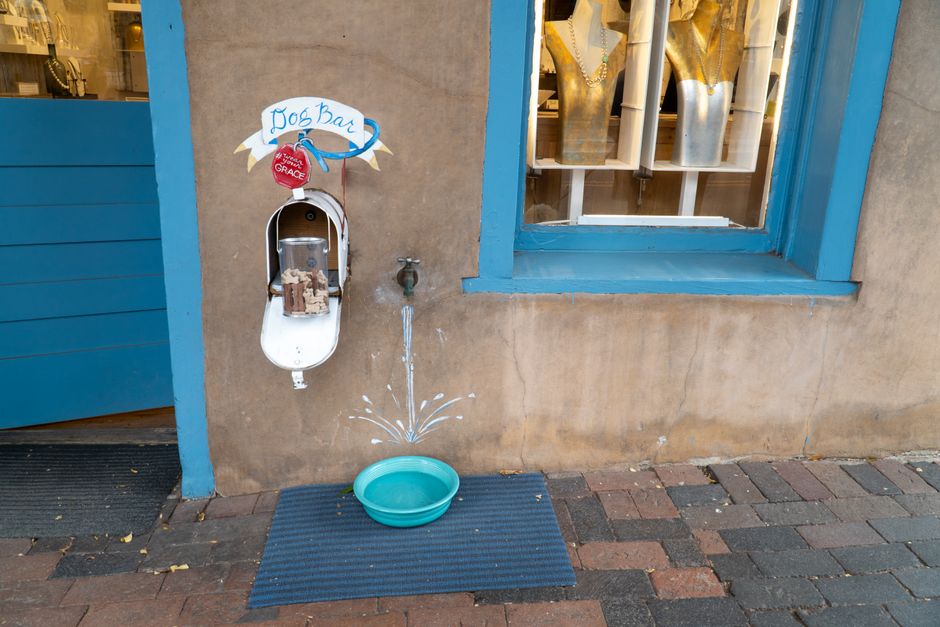
Twenty-five years ago, this was exactly what it sounds like: an actual railroad yard. Now it's the city's informal creative quarter. Galleries, design studios, a farmers market on Saturdays, restaurants run by people who seem to actually want to be there rather than just collecting rent.
Rents are lower than downtown proper, though climbing. The neighborhood has a genuine mixed vibe—not polished, not pretending. You see working artists in studios; you see tech people from out of state; you see families who moved here from Albuquerque. The architecture is industrial bones with careful renovation, nothing precious. The Saturday market is worth the trip alone even if you don't live here.
The trade-off is that it's still somewhat raw. Not all the streetlights work perfectly. Some blocks are still finding their footing. But if you want to feel like Santa Fe is actually alive and changing rather than frozen in amber, the Railyard is the clearest signal of that. It's where people under forty tend to land if they're staying.
Tesuque: Retirees, Quiet-Seekers, People Who Have Money
North of downtown, up the Tesuque Valley Road, the city starts to fade and the foothills begin. Tesuque is where you go if you want Santa Fe's light and altitude without the downtown noise. Adobe estates on multi-acre plots. Horses. Proper quiet. The air thins out and the sense of space opens up.
It's expensive—land here costs what a house costs elsewhere. The demographic skews older, wealthier, more likely to have arrived from California or the East Coast with money already in hand. Tesuque Pueblo sits in the valley too, with its own quiet presence. You're not walking anywhere. You're driving through high-desert landscape to get groceries. The town center is mostly gone.
But if you came to Santa Fe to actually live in the landscape rather than look at it, Tesuque delivers that. The sunset views are worth the isolation. You don't hear sirens or drunk people on the street. Schools are good; it's where families with means often choose to be. Just understand you're trading walkability and spontaneity for peace and property.
The South Side: Families, Practical People, Mixed-Income Realism
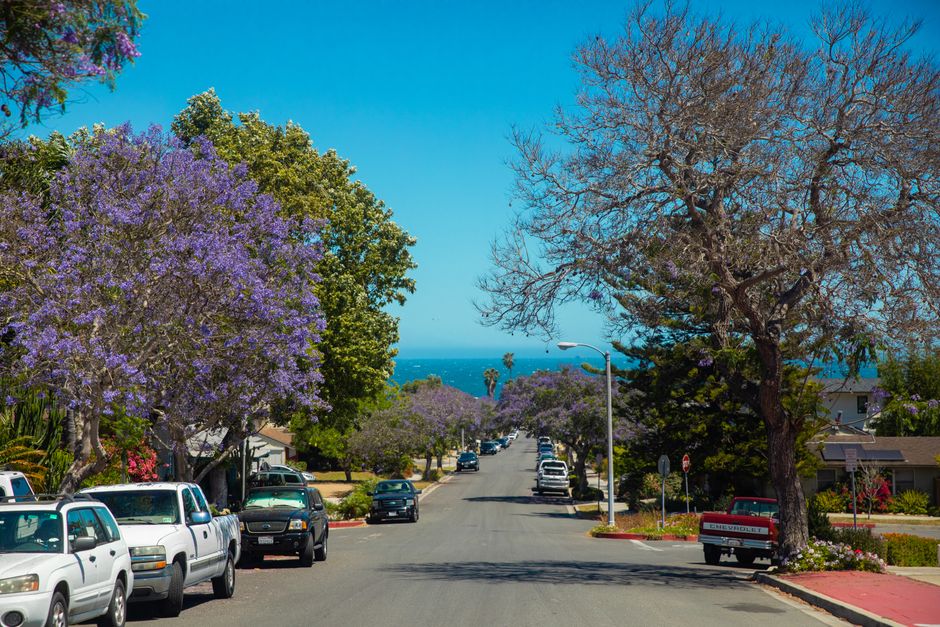
South of the Plaza, toward St. Francis Drive and beyond, you hit neighborhoods where actual Santa Fe residents actually live. This isn't a tourist zone. The architecture is still Territorial, still charming, but less manicured. Schools are here. Strip malls. Actual neighborhoods rather than performing art galleries.
Prices drop noticeably compared to downtown or Canyon Road. You can find rentals and homes here that don't require six-figure incomes. Families with kids choose the south side because it feels livable rather than theatrical. There are parks, grocery stores with actual selection, a genuine community rather than a steady stream of visitors and seasonal people.
The downside: you're in a car more often. The walkability drops. You're not living in the historic heart anymore. But if you actually need to work from home, raise a kid, or just afford to stay in Santa Fe longer than three months, the south side is where the city's actual functioning happens. It's less photogenic but significantly more real.
Canyon Road: Art collectors, wealthy part-time residents, people who chose one street
This deserves its own mention because it's not really a neighborhood—it's an address that functions as its own ecosystem. Northeast of downtown, it's a winding canyon road lined entirely with galleries, restaurants, and the estates behind them. The vibe is money and contemporary art, mostly high-end. Not cheap, not casual.
If you're deep into the gallery scene or you have the budget to make Canyon Road your address, it's spectacular. You can walk from gallery to show to dinner to another gallery in an evening. The light on the canyon walls is genuinely striking. But you're also in a fairly exclusive bubble. It's less a functioning neighborhood and more a curated experience for people with serious disposable income and art-world connections.
Many people visit Canyon Road as tourists without living there, and that's probably fine. A few blocks of it is enough unless you're actually collecting art or you're retired with significant resources.

Agua Fria and North Santa Fe: Emerging, Cheaper, Less Defined
West and north of downtown, neighborhoods like Agua Fria are still figuring themselves out. Smaller galleries, younger businesses, lower rents than the Railyard even. If you're renting a casita for $800 a month and working from a laptop, you can live here. If you want established infrastructure and walkability, you'll be frustrated.
These areas are real neighborhoods with real problems—some blocks are genuinely underdeveloped, street lighting can be poor, services are less dense. But there's genuine character emerging, especially around Agua Fria Street where a few restaurants and bars have taken root. It's the Santa Fe you might find if you stop performing the tourist thing and just live.
They suit people who are either very young and don't have much money, or people who are comfortable roughing it a little in exchange for being part of something still forming. Not for everyone, but worth considering if you want an authentic version of the city rather than a stage set.
Money, Altitude, and the Real Constraints
Whatever neighborhood appeals to you, understand the basics. Santa Fe's cost of living has risen steadily for fifteen years. Rentals and homes that were reasonable five years ago are now expensive. The altitude affects people differently—some adjust in days, others take weeks. Winter can be genuinely cold; summer is short but pleasant.
Water is always an issue in New Mexico. Santa Fe manages better than most high-desert towns, but drought happens. If you're buying property, water rights matter. If you're renting for a season, it's not your problem. If you're staying long-term, it's worth understanding the conversation.
Tourists do fine anywhere for a week. Residents need to find where they fit: the walking distance to things they care about, the price they can actually afford, the kind of quiet or energy they need to function. Santa Fe works for a lot of different people, but it only works if you find your neighborhood, not just the one that photographs best.