I rolled into Santa Fe on a Thursday morning expecting to spend three days wandering the Plaza, hitting the museums, and eating my weight in red chile. By day two, I'd seen enough galleries and had heard enough mariachi to know I needed to get out. The thing about Santa Fe is that it's claustrophobic in a very specific way—beautiful, yes, but also dense with tourists and aggressively quaint. Within an hour's drive in any direction, though, you hit genuinely wild country: canyons, mountains, ghost towns, and pueblos where you can actually breathe.
Most visitors don't realize Santa Fe sits at the edge of some serious New Mexico landscape. You don't need to spend your entire trip in the city. A few of these day trips are so close and so worth it that skipping them would be a mistake.
Bandelier National Monument (45 minutes south)
This is the obvious one, and yes, everyone goes here—but they go for good reason. You're looking at a canyon carved into soft volcanic rock where Ancestral Puebloan people built dwellings directly into the cliff walls, and where you can still climb wooden ladders into actual caves. The main trail loops through Frijoles Canyon for about 2.2 miles, and most people do it in two to three hours.
The kivas (ceremonial chambers) are the real draw, especially the large circular one in the canyon floor that you can descend into. You get a visceral sense of how people actually lived here, which beats reading about it in a museum placard. Bring water—there's a creek, but don't rely on it. The elevation change is modest, which is why families do it, but the afternoon sun off the rock walls is intense even in spring.
Go in May or September if you can. July and August get predictable afternoon thunderstorms, and June is scorching. October is fine but crowded with leaf-peepers driving up from Albuquerque. Arrive by 9 a.m. if you're going on a weekend, or the parking lot fills and they start turning people away. There's a small museum at the visitor center that's worth 20 minutes before you start hiking.
Pecos National Historical Park (30 minutes east)
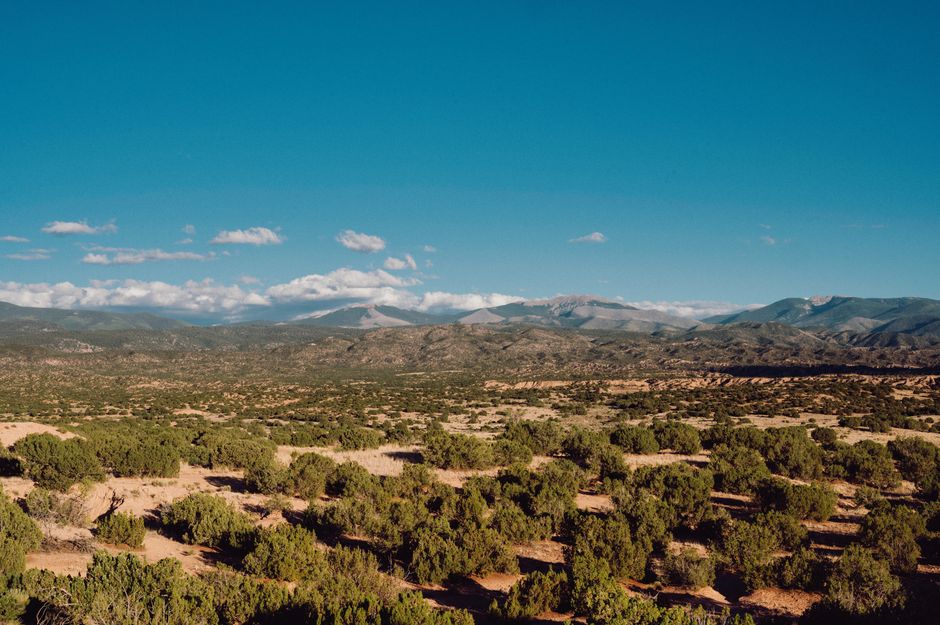
Pecos gets less foot traffic than Bandelier, which alone makes it worth the short drive. You're walking through the ruins of a massive pueblo that was occupied for roughly 500 years, plus the remains of a Spanish mission church that was built on top of it. The canyon is narrow and quiet, and you're rarely crowded even in peak season.
The main loop is about 2.25 miles and relatively flat along the Pecos River. You'll pass through multiple pueblo structures in different stages of ruin—some are just low walls, others preserve more vertical architecture. The church ruins are the most photogenic element, but the pueblo remains are more historically significant. A ranger at the visitor center can point out details you'd otherwise miss.
This place has a melancholy energy that I found more affecting than Bandelier's more polished presentation. It's also less touristy, which means fewer people staging photos and more actual contemplation. Late spring through early fall is best; winter mornings can be genuinely cold in the canyon. The visitor center has restrooms and sells basic snacks, but bring your own water.
Madrid: The Slow Ghost Town (1 hour south)
Madrid (pronounced muh-DRID, not like Spain) is a coal-mining town that hollowed out in the 1950s and has since been partially resettled by artists, retirees, and people who just wanted cheap real estate in a beautiful canyon. It's not abandoned—there are working galleries, a decent restaurant, a few shops—but it has genuine ghost-town bones showing through.
You're not doing structured activities here. You park on the main drag, walk in and out of galleries and studios (some are genuinely good, others are tourist schlock), poke around the old mining equipment left in yards, and grab a sandwich. Mama Lisa's Natural Cafe is the reliable lunch spot. There's a mining museum that's small but informative if you're curious about New Mexico's extraction history.
Madrid's appeal is atmospheric rather than itinerary-driven. The landscape around it is genuinely pretty—the Ortiz Mountains frame the canyon nicely—and it's a good place to decompress and remember that New Mexico has a working-class history that doesn't show up in most tourist narratives. Go on a weekday if possible; weekends draw an aggressive ATV crowd from nearby Cerrillos. Spring and fall are ideal. Summer heat in the canyon can be oppressive.
Tesuque Pueblo and the High Road to Taos (1.5 hours north)
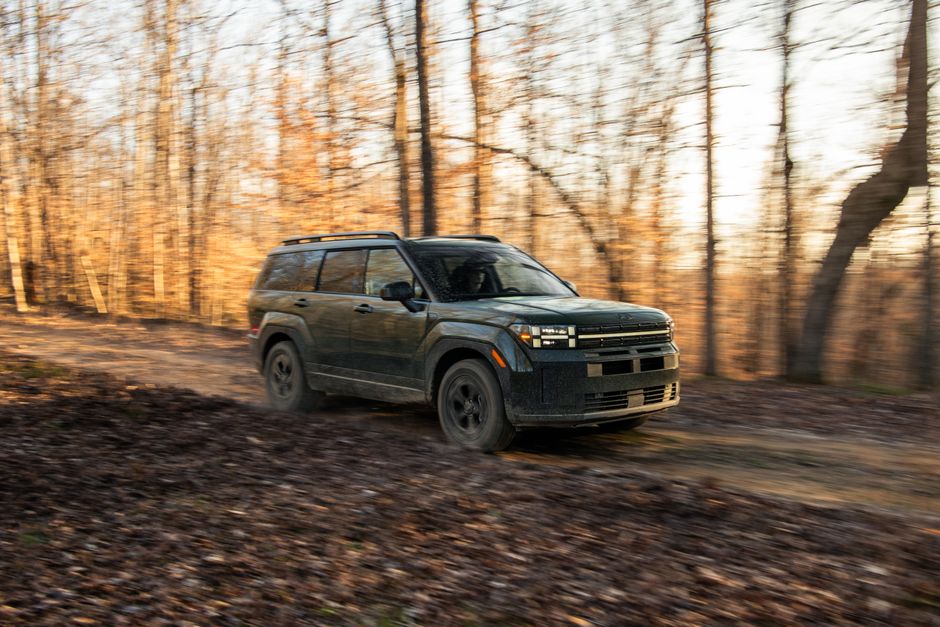
This isn't a single destination but a driving route that branches off Highway 285 north of Santa Fe and winds through several small villages and pueblos before depositing you in Taos. Tesuque Pueblo sits at the start of this High Road, about 20 minutes north of Plaza.
Tesuque has a visitor center and a small but active pueblo community. You can watch artisans work in studios, buy pottery directly from makers, and get a sense of how pueblo life actually functions (not as a museum recreation, but as a living place). The pottery here is less polished and more experimental than what you'll see in Santa Fe galleries, and prices are lower since there's no tourist markup.
If you continue on the High Road itself—it's scenic rather than destination-heavy—you pass through Española, Chimayo (known for a pilgrimage church with supposedly healing soil), and several tiny villages with good restaurants. The whole loop to Taos and back is a long day, maybe 5-6 hours of driving if you stop frequently. But if you break it into a partial High Road day trip and stop in Española or Chimayo, it's rewarding. Spring wildflowers on the high desert make this especially pretty in May. The road itself is fine year-round, but snow can make it tricky in winter.
La Bajada and Cochiti Pueblo (1 hour southwest)
This is less famous than other options, which is exactly why I'm mentioning it. Cochiti Pueblo sits along the Rio Grande, and the drive takes you through genuinely open New Mexico landscape—the kind without gift shops. The pueblo community welcomes visitors during daylight hours, though their protocols about photography and respectful behavior are stricter than at Tesuque, so pay attention to posted signs.
Cochiti is known for pottery and drums, and you can often watch makers at work, especially in afternoon hours. The pueblo is less geared toward tourism than some others, which means it feels more authentic but also requires more social awareness. Don't show up expecting amenities. There's a small restaurant in town, but bring snacks and water.
The drive itself passes through Cochiti Lake, which has no major development and looks how New Mexico lakes actually look—dusty, functional, beautiful in its austerity. If you want to see pueblo life without the touristy mediation that happens in places closer to Santa Fe, this is worth the drive. Summer gets hot; April and May, or October and November, are best.
Practical Notes on Timing
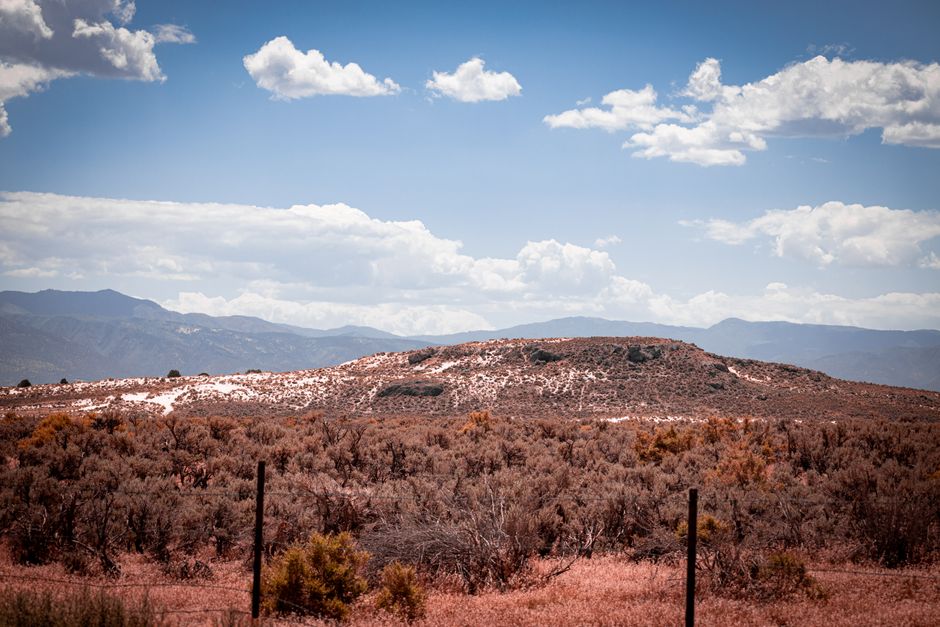
Most of these trips assume you rent a car in Santa Fe. Gas prices in northern New Mexico are noticeably higher than other parts of the state, so budget accordingly. The roads are all well-maintained state highways; you don't need a 4WD vehicle.
For any canyon or monument, start by 9 a.m. if you're going on a weekend. Afternoon lightning is a real concern in summer, so plan to be off exposed trails by 2 or 3 p.m. during monsoon season (July-August). Elevation ranges from 5,000 to 10,000 feet depending on where you go, so bring more water than you think you need and don't push your altitude acclimation if you just arrived.
Combining two destinations in a single day is doable if they're close to each other—say, Tesuque Pueblo and then driving the partial High Road, or Pecos and then looping back to Madrid. But resist the temptation to hit three. You'll end up spending half your time driving and feeling rushed in each place. Santa Fe itself isn't going anywhere; the point of these trips is to actually see something, not just accumulate destinations.