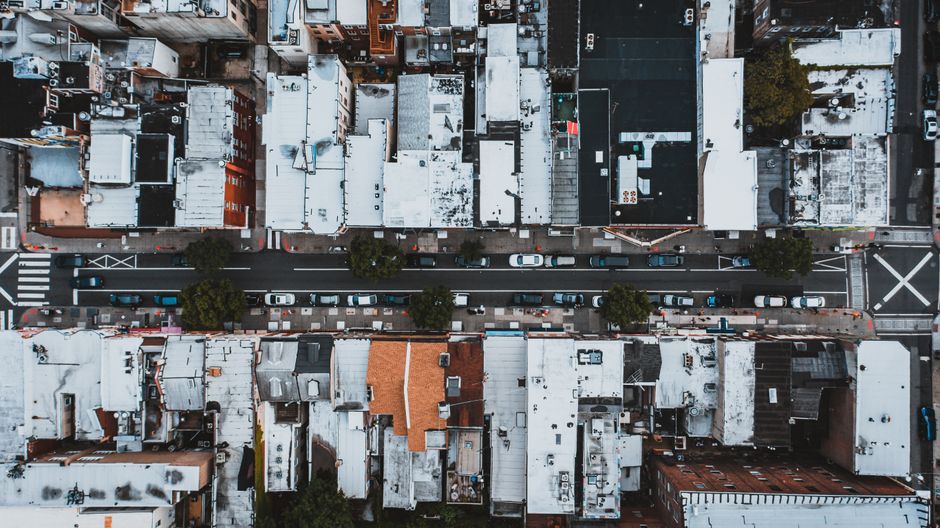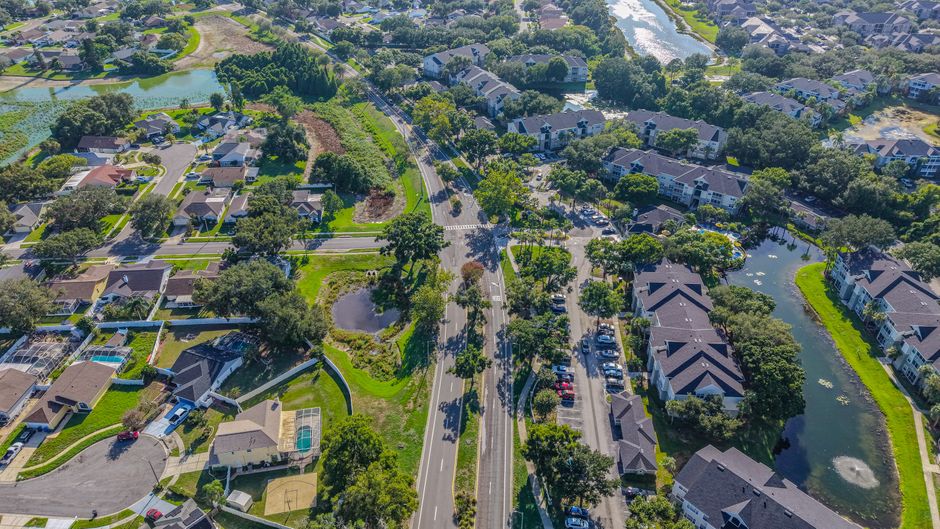
I rolled into Tampa on a humid afternoon in March, steering away from the airport strip toward neighborhoods that actually felt like places people chose to be. The city gets overshadowed by Orlando's theme parks and Miami's glitz, but what I found was a working port town that's quietly reinventing itself block by block. Some areas are anchored in history. Others are brand-new construction trying hard to be something. Most fall somewhere in between.
The thing about Tampa is that it's sprawled. You can't walk from one neighborhood to the next the way you can in older coastal cities. But that also means each pocket has developed its own identity without bleeding into its neighbor. I spent two weeks moving around, staying in different areas, eating where locals actually go, and getting a real feel for who lives where and why.
Ybor City: The Neon Pulse
Ybor City is the neighborhood everyone talks about first, and with reason. It's the oldest part of Tampa that still feels alive—a former cigar-manufacturing district turned into a dense grid of brick buildings, restaurants, and bars that stay packed until 2 a.m. most nights. The pedestrian 7th Avenue is lined with vintage storefronts, galleries, and places like The Bricks of Ybor, which is equal parts restaurant and event space. You'll smell Cuban coffee from doorways. You'll see street art on nearly every wall.
But Ybor City isn't quaint. It's loud. On weekends it's a full-on party district—bachelorette groups, college kids, people on vacation. If you like that energy, you'll love it. If you want to sit on your porch and read, pick somewhere else. The neighborhood suits young professionals and tourists looking for nightlife and a sense of history rolled together. Prices here have climbed over the last decade; rents aren't cheap, and parking can be a nightmare. The vibe is "I'm here to be seen and to see others," not "I'm here to settle down."

Hyde Park: Old Money, New Prices
Cross the Platt Street Bridge heading west and you're in Hyde Park, which looks and feels like it belongs in a different era than the rest of Tampa. Tree-lined streets, brick mansions, perfectly maintained Craftsman bungalows, small parks tucked between residential blocks. It's genuinely walkable—not by necessity but by design, which is rare in Florida. South Howard Avenue has enough restaurants and independent shops that you can spend an afternoon there without driving. Morning coffee culture is real here.
Hyde Park pulls in established professionals, empty-nesters, and people who've made money and want to spend it on a neighborhood that won't crumble. It's also become increasingly popular with young families who can afford it, drawn by the schools and the pedestrian feel. The trade-off is the price tag. If you're renting, expect to pay top dollar. If you're buying, you're competing with a lot of other people who know this is one of the few parts of Tampa that has actual neighborhood character. It's aspirational, maintained, sometimes a bit precious, but it works.
Davis Islands: Quiet Water Views Without the Rush
Davis Islands sits in the water between downtown and Hyde Park—literally. It's a series of neighborhoods on a peninsula jutting into the Hillsborough Bay, and the whole area has a removed, almost resort-like quality that surprises people who think they know Tampa. Bayshore Boulevard wraps around with a walking path, wide views, and hardly any crowds even on nice weekends. The residential streets are calm. The trees are mature. You'll see boats and waterfront homes, and it genuinely feels like a small beach town, except you're 15 minutes from downtown.
Davis Islands is best for retirees, quiet professionals, and families who prefer seclusion to walkability. It's not touristy—in fact, most tourists have no idea it exists. The beaches here are decent but not spectacular; people come for the neighborhood itself, not the sand. Prices are moderate relative to Hyde Park but higher than areas farther north or east. It's one of the few parts of Tampa where you'll feel genuinely disconnected from the city while being completely within it.

Downtown and Channel District: The Experiment Still Running
Downtown Tampa and the adjacent Channel District represent the city's most aggressive recent bet on itself. The Riverwalk is a genuine accomplishment—a continuous path along the Hillsborough River with parks, restaurants, and enough space that it doesn't feel crammed. New residential towers have gone up, galleries have moved in, and there's a sense of momentum. Restaurants like Bricks of Ybor at the Water Street location and various waterfront concepts have made the area more than just a place to work.
But here's the honest take: it's still uneven. Blocks of parking garages sit next to shiny new apartments. The neighborhood works better on paper than it does in person on a Tuesday afternoon. It suits young professionals who work downtown or want to be near the action, and tourists who want to stay somewhere that feels like "a city," not a resort. The prices are climbing but haven't reached Hyde Park levels yet. There's ambition here, real investment, but also an air of "let's see if this sticks." It's worth experiencing, but it's not yet the kind of place people choose for stability or character.
Seminole Heights: Where the Young Crowd Actually Lives
Seminole Heights, north of downtown, is where you'll find the actual underbelly of Tampa's young professional scene. It's not fancy. The houses are small, often mid-century, and the commercial strips along Nebraska Avenue aren't manicured. But there's coffee culture here, record stores, vintage shops, and a density of people in their 20s and 30s who chose this neighborhood because they could afford it and because it has character that feels earned rather than branded. The Bricks of Ybor comparison doesn't apply—there's no attempt to turn this into a destination. People live here because they like it.
Seminole Heights suits artists, younger professionals, and people who actively prefer authenticity over polish. Rents are reasonable compared to everywhere else worth living in Tampa. The neighborhood feels like it's figuring out what it wants to be, which means there's energy but also occasional rough patches. It's the kind of place where a new restaurant is genuinely a big deal because the neighborhood actually cares about having somewhere good to eat, not just somewhere Instagrammable. If you want to see what Tampa's future might look like before it gets expensive, this is where to look.
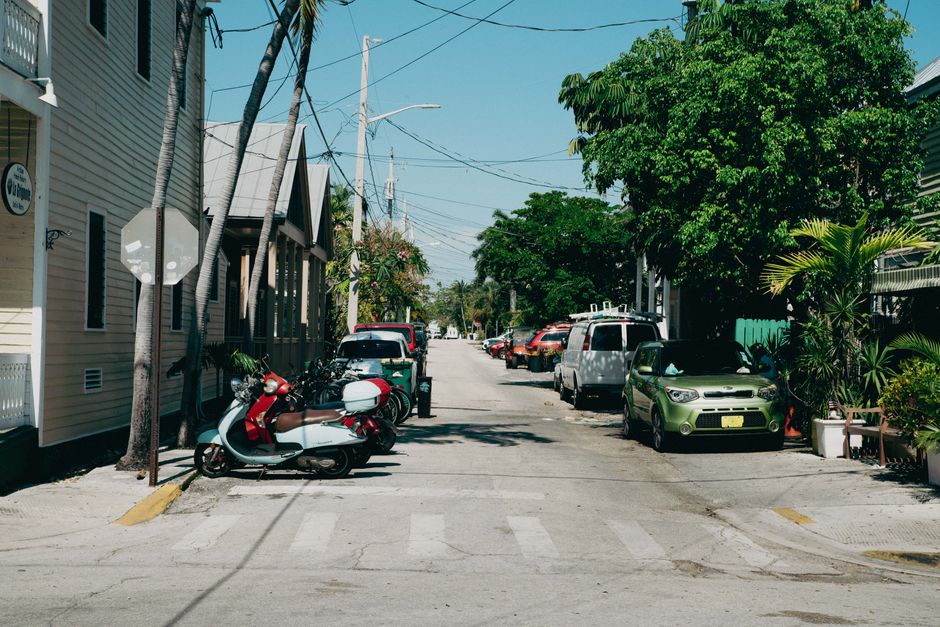
Carrollwood: Suburban Comfort for People Who Mean It
Carrollwood is north of Seminole Heights, and it's the place to go if "neighborhood" is code for "a safe, quiet place to raise kids and mow the lawn on Saturday." It's suburban in the American sense—planned shopping centers, parks, good schools, family restaurants, and a lot of people driving to places rather than walking. There's nothing wrong with that; it just means the appeal is functional rather than experiential. If you're looking for vibe, don't come here. If you're looking for schools and a driveway, Carrollwood delivers.
Families with kids, retirees seeking a quieter zone, and people working in the northern corporate parks choose Carrollwood. It's also where you'll find chain restaurants and big-box stores. Prices are moderate—lower than downtown or Hyde Park but higher than outer neighborhoods. It's stable, organized, and intentionally removed from Tampa's actual cityness. For the right person, that's exactly what they want. For everyone else, it's worth knowing exists so you know to look elsewhere.
Picking Your Block
Tampa's neighborhoods don't blend into each other the way they do in older cities. They're distinct enough that you can make a real choice based on what you actually want. The city spreads wide enough that you're not trading one thing for another as drastically—you're not choosing between an interesting area and a safe one, for example. Most of these places are both.
What matters is what you're doing in Tampa. Are you here to be entertained? Ybor City or downtown. Do you want to live somewhere you can walk and have space? Hyde Park. Looking for quiet water views? Davis Islands. Want to be where the younger crowd actually lives? Seminole Heights. Need schools and suburban calm? Carrollwood. There's no universal "best"—there's just the best fit for what you're actually looking for.
Frequently Asked Questions
Is Ybor City safe to visit at night?
Ybor City is heavily patrolled and full of people most nights, especially Thursday through Saturday, which makes it relatively safe in crowded areas. Stick to 7th Avenue and the main commercial strips. Side streets away from the action are less populated after midnight, so use common sense about where you're walking. Police presence is noticeable, particularly on weekends.
What is the most walkable neighborhood in Tampa?
Hyde Park is the most genuinely walkable neighborhood—South Howard Avenue and the surrounding residential streets are designed for pedestrians, and you can reach restaurants, shops, and parks without a car. Ybor City is also walkable within its 7th Avenue core, but the walkability drops off sharply once you leave the main strip.
Which Tampa neighborhood is best for families?
Carrollwood is the traditional choice for families with good schools and suburban amenities. Hyde Park is also family-friendly if you can afford it, offering walkable streets and excellent schools with more neighborhood character. Davis Islands appeals to quieter families seeking waterfront living without the party scene.
Where should I stay if I'm visiting Tampa for nightlife?
Ybor City is the definitive answer for nightlife—bars, clubs, and late-night restaurants line 7th Avenue and surrounding blocks. Downtown has a smaller but growing nightlife scene near the Riverwalk. Both areas have hotels and short-term rentals that put you within walking distance of bars.
Which neighborhood catches your eye?