I showed up in Tampa on a Thursday afternoon with a phone full of travel-blog recommendations and exactly zero local friends. By day three, I'd figured out what every honest visitor eventually learns: some of the biggest names in this city are doing heavy lifting on reputation alone, while the places nobody photographs are where actual Tampa happens.
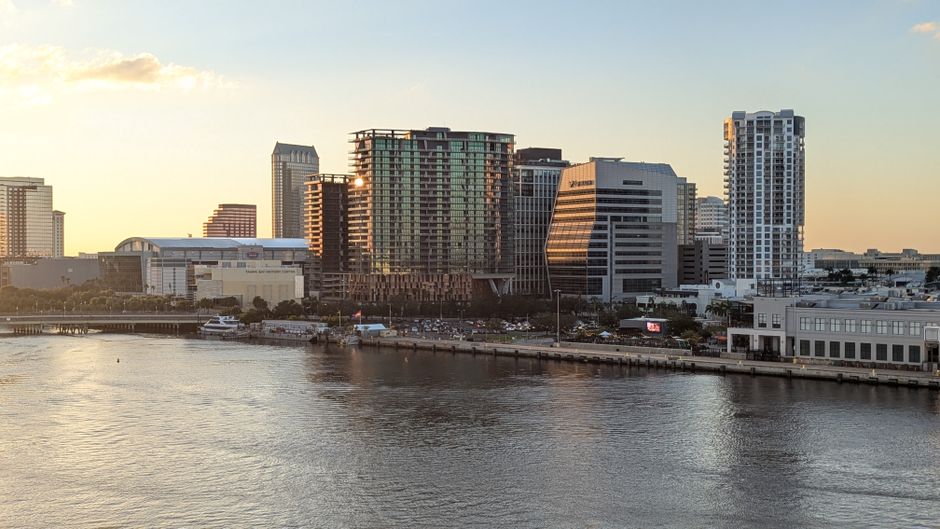
The city's got this interesting split personality. You've got the downtown waterfront trying hard to be something, the aging tourist attractions that still pull crowds, and then pockets of the real thing scattered around—good bars, actual neighborhoods, beaches that aren't mobbed. What follows is one person's take after spending real time here, eating at places without Instagram handles, and talking to people who actually live here instead of just passing through.
The Hype Machine: What Feels Like a Tourist Obligation
Busch Gardens Tampa Bay sits on the north side of the city like a relic from a time when theme parks didn't need to be world-class to pull money. It's been around forever—people have nostalgia for it. But if you're coming to Tampa specifically to ride roller coasters, you're making the wrong call. The park is small, dated, and honestly feels like an old zoo with rides bolted on. The theming is thin. Lines are long for what amounts to six decent coasters and a lot of filler. Unless you've got small kids or genuine nostalgia, there are better ways to burn a day.
The Florida Aquarium downtown gets mentioned in every single visitor guide, and it absolutely banks on that. The building is nice. The views of the water are great. But the actual experience inside is thin—crowds, mediocre exhibits, and prices that feel extractive for what you're getting. The stingray touch pool is small. The outdoor mangrove kayaking add-on costs extra. You're essentially paying $40-something to walk through a decent museum that's not quite good enough to justify the hype or the expense.
Ybor City's Reputation Versus the Reality
Ybor City is Tampa's historic quarter—old cigar factories, brick streets, a genuine story. And it absolutely trades on that story. The problem is that it's been polished into something that resembles itself more than it actually is itself. You get the historic vibe, sure, but you also get a lot of chain bars, tourist-priced restaurants, and a nightlife scene that's fun if you want to party but not particularly authentic if you're looking for something real.
The Saturday crowds are ridiculous. The parking situation is worse. And if you go looking for the actual character of the place—the cigar rolling, the old-neighborhood texture—you'll find it squeezed between karaoke bars and Instagram-ready murals. It's a destination that benefits enormously from low expectations. Show up thinking you'll get colonial-era authenticity and you'll be disappointed. Show up just to walk around, grab a beer, and exist in a place with actual history underneath the tourism overlay, and it works fine.
Where Tampa Actually Lives: The Places People Don't Visit
The Ybor City neighborhood—separate from downtown Ybor as a party destination—has side streets and old buildings where locals actually work and eat. Go off the main drag and find the coffee shops, the smaller galleries, the places without neon signs. Walk north toward the warehouse district and you'll see actual artists' studios, craft spaces, and bars that aren't trying to be anything other than good bars. This is where Tampa's creative energy actually clusters, and it exists in the shadow of the overdeveloped main stretch.
Mueller Park, on the south side, is a legitimate neighborhood park with no tourist infrastructure to speak of. Green space, walking trails, authentic local families. It's where people actually go to spend an afternoon if they live here. Same with Curtis Hixon Waterfront Park downtown—it's far less famous than the aquarium area, way less crowded, and honestly a better place to sit and think about the city. No paid attraction. No lines. Just green space and water and people who live here.

Beaches: Skip the Obvious, Find the Actual Water
Clearwater Beach gets name-checked as one of Florida's best, and by the time you find parking and navigate the crowds, you'll understand why that reputation survives on momentum alone. It's crowded. The sand-to-people ratio is brutal on weekends. And the nearby beaches that are actually better—quieter, sometimes with more natural character—get ignored because they don't have the marketing budget.
Annexe Park Beach, just up the coastline, is shorter and less famous, which means fewer people. Caladesi Island State Park requires a ferry ride—that 15-minute inconvenience keeps casual tourists away and leaves you in an actual park instead of a congested swimming hole. The water is the same. The sand is better. The experience is quieter and less aggressively commercialized. Same thing applies to the smaller barrier island beaches north of here. Less known means less ruined.
Why the Big Museums Oversell and What Actually Works
The Museum of Science and Industry works fine if you're coming with kids or a specific interest, but it's often listed as a must-see for general travelers, and it really isn't. You're mostly looking at interactive exhibits that are engaging but not revelatory. The pricing is standard museum inflation—high for what you get. If you want actual Tampa culture and history, the Henry B. Plant Museum at the university is smaller, stranger, and genuinely tells you something about how this city was built. A railroad magnate's mansion with actual period details. Fewer crowds. More personality.
The Glazer Children's Museum downtown is a real thing parents need, but it's marketed like a destination for all visitors, which is wild. It's a children's museum. If you don't have kids, skip it. If you do, it's good. No need to dress it up as something it isn't.
Where to Actually Eat and Drink Without the Tourist Premium
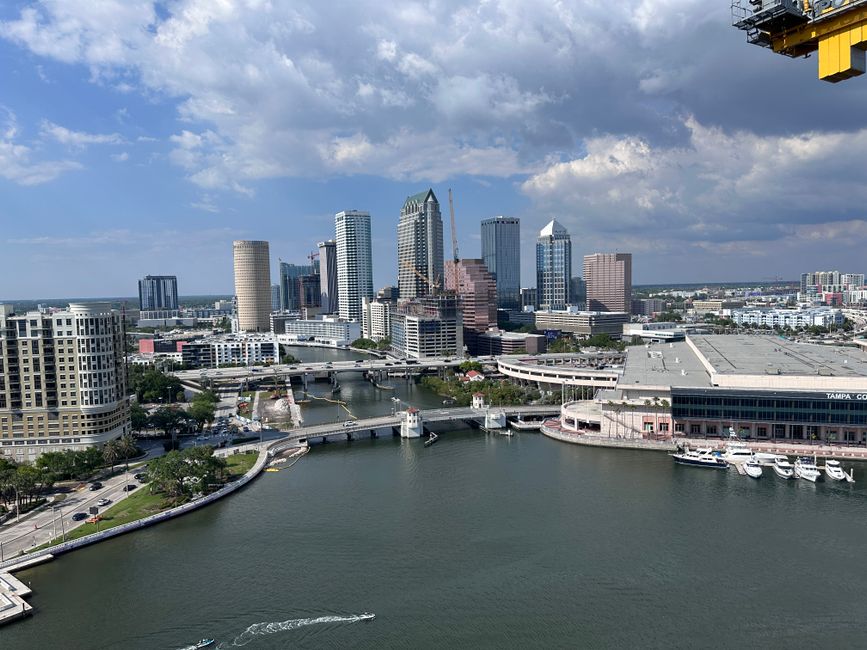
The Channelside waterfront area downtown gets attention for being newer and developed, but the bar and restaurant scene there is aggressively priced and focused on chains and safe bets. Walk a few blocks inland—past the deliberately designed districts—and you'll find neighborhoods like SoHo (South of Howard Avenue) where restaurants and bars exist because locals actually patronize them, not because someone calculated they'd make good foot traffic.
For food specifically, the smaller spots off Kennedy Boulevard or around the University of Tampa area are where you'll eat better for less money. Not Instagram-famous. Not trying to be a destination. Just good food because the restaurant is busy on Tuesday nights. The Cuban influence in Tampa is real—the history goes back to the 1800s. But you don't experience it at a tourist-marked Cuban restaurant in Ybor. You experience it by eating at the places where people who know Tampa actually eat.
The Reality of a Midsized City Trying Harder
Tampa isn't trying to be something it isn't, which is actually good. It's a real working city with legitimate history, decent food, actual neighborhoods, and waterfront access. The trap is believing that the famous spots are the best version of those things. They're usually the loudest versions—the ones with the most marketing, the most crowding, the highest prices.
The honest version of Tampa is quieter. It's neighborhoods where people live, bars where nobody's performatively drinking, parks where you won't negotiate a shot composition with another tourist. It's genuine, and it's worth finding. The overrated spots aren't bad—they're just overstated. Skip them or do them early before the crowds, then spend your real time finding where Tampa actually lives. That version of the city is worth your time.
Frequently Asked Questions
Is Busch Gardens Tampa Bay worth visiting
Only if you have specific nostalgia for the park or are traveling with young children. For a general visitor, the rides are dated, the theming is thin, and you'll spend more time in line than actually enjoying attractions. If you want theme park thrills, you'll get a better experience elsewhere in Florida.
Should I visit Ybor City as a tourist in Tampa
Yes, but manage your expectations. Ybor City has genuine history and character, but it's been heavily commercialized with chain bars and tourist restaurants. Go to walk around and experience the architecture and older neighborhood texture, but don't expect to find hidden authentic Cuban culture on the main strip—that's a marketing narrative more than a reality.
What Tampa beaches are better than Clearwater Beach
Caladesi Island State Park and Annexe Park Beach are both quieter alternatives with better sand-to-crowd ratios. Caladesi requires a ferry, which deters casual tourists and keeps it less congested. Both offer the same water quality as Clearwater with significantly less commercial development and fewer people.
Is the Florida Aquarium Tampa worth the price
Not really. The building and water views are nice, but the exhibits are thin and don't justify the $40+ admission. Unless you have specific interest in marine life or are visiting with kids, your time and money are better spent elsewhere in Tampa—the park system, local neighborhoods, or restaurants.
Which one would you visit?