I arrived in Tulsa on a Wednesday afternoon expecting the usual sprawl of a mid-sized Oklahoma city. What I found instead was a place actively shedding its old skin. The neighborhoods here aren't uniform bedroom communities—they have actual texture, real food scenes, and people who seem genuinely invested in where they live. Some areas are still rough around the edges, which is part of their charm. Others feel like they've already completed their transformation. Over a few weeks of walking, eating, and talking to locals, I mapped out the parts of Tulsa that actually feel worth spending time in.
Brookside: The Established Heart
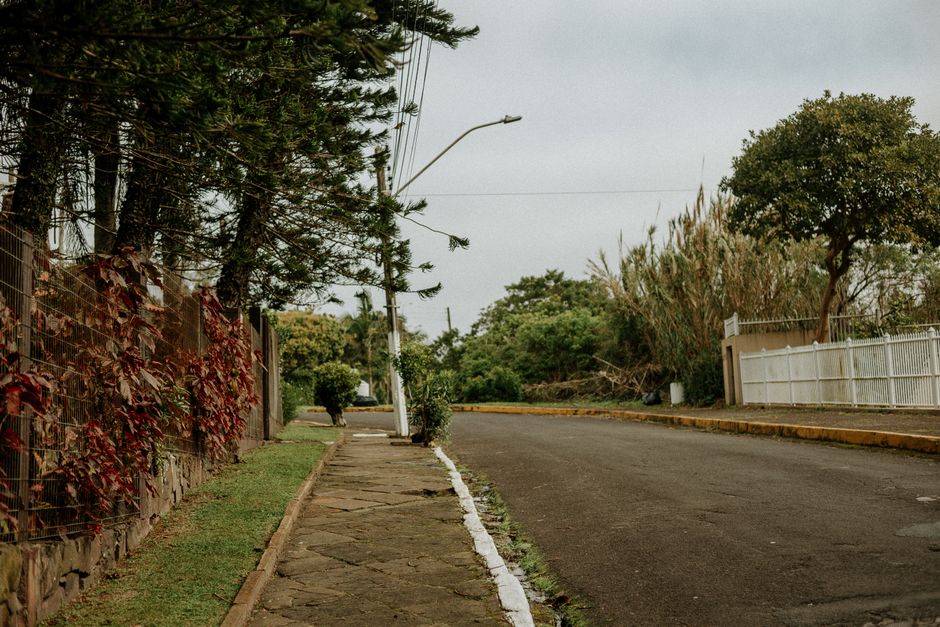
Brookside is what happens when a neighborhood doesn't need to prove anything anymore. This is the part of Tulsa that visitors and new transplants land in first, usually for good reason. The commercial strip along 21st Street buzzes with coffee shops, restaurants that aren't chains, and the kind of retail where people actually work. The nearby Philbrook Museum sits in genuine estates and manicured grounds that feel almost East Coast in their formality.
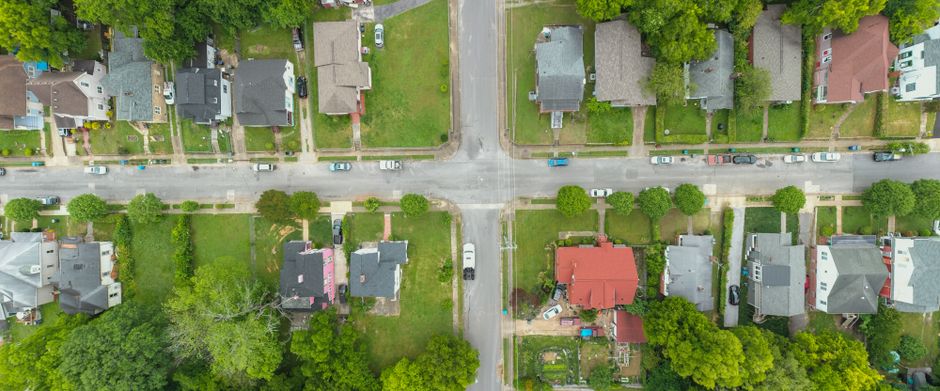
The residential blocks here are mature, tree-heavy, and dominated by older homes that range from charming Craftsman bungalows to mid-century pieces worth restoring. Families gravitate here because schools are solid, the neighborhood has real sidewalks, and you're close to everything without feeling on top of it. Young professionals like it because the restaurant scene actually caters to them, and there's enough nightlife to justify staying in instead of driving somewhere else. The trade-off is that housing costs reflect the popularity—you're paying a premium for this address, and that's become more true each year.
Pearl District: The Obvious Revitalization Story
The Pearl District is what cities write grant proposals about. Warehouses converted to lofts, art galleries in converted industrial spaces, a genuinely good farmers market on weekends. The energy here feels manufactured sometimes, but that's not entirely fair—the bones are real, and the people opening businesses seem to actually like the neighborhood rather than just seeing dollar signs.
This neighborhood suits young professionals and remote workers more than anyone else. You get walkability, coffee shops with the right level of ambition, and proximity to the gathering spaces that matter in a city this size. The loft apartments draw a specific crowd: creative types, early-career professionals, people who want to be near something happening without dealing with a major metropolitan chaos tax. Retirees sometimes move here too, attracted by the urban energy and the ability to walk to dinner. The downside is that it's caught between being trendy and being sustainable. Some blocks feel genuinely vibrant; others feel like they're waiting for more people. Parking is an adventure.
Midtown: The Emerging Neighborhood
Midtown sits on the northern edge of downtown and feels like Brookside's scrappier younger sibling. The bones are similar—older residential blocks, commercial corridors with potential—but the energy is different. It's less polished, more genuinely eclectic. You'll find new restaurants next to long-standing local spots, vintage shops, and a genuine mix of people living here by choice and by circumstance.
This is where people go when they want the neighborhood-feel benefits of Brookside or Pearl but don't want to pay those prices. It suits young professionals building their lives, artists looking for affordable space, and anyone who finds Pearl's trendiness a bit too concentrated. The restaurant scene here is actually interesting—less branded, more experimental. It's the kind of place where a gastropub and a Vietnamese pho joint can coexist naturally. The blocks east and west of 15th Street vary significantly in condition and character, so your experience depends heavily on which specific street you're considering. It's not mature the way Brookside is, which is why some people love it and others aren't ready for that energy.
Brady Arts District: For the Genuinely Curious
Brady Arts exists at the edge of downtown, historically bohemian in the way that places become when nobody else wants them and the rents stay low enough for actual artists to afford studio space. This is changing, slowly but noticeably, and that makes it either promising or concerning depending on your perspective.
It's not a destination neighborhood for most visitors, but if you're interested in actual Tulsa culture rather than curated Tulsa, this is where you find it. The visual arts scene is real—galleries, studios, murals that came from actual intent rather than a city beautification contract. There are bars and cafes that feel less calculated. The residential stock is rough, ranging from genuinely restored lofts to buildings that clearly need work. It suits people who are interested in being in on the ground floor of neighborhood change, who want affordable rent, and who don't need everything polished. Families and retirees would find the infrastructure less comfortable here. It's still a neighborhood in process.
Cherry Street: Prosperity and Neighborhood Life
Cherry Street runs northeast and carries with it a particular kind of Tulsa success story. The commercial stretch here has the feel of an older suburb that became desirable again—good restaurants, independent shops, a grocery store that people actually visit by choice. The neighborhood behind it is residential, tree-lined, with homes that feel established but not frozen in time.
This area works well for families, particularly those with school-age kids, and for anyone wanting a neighborhood that feels complete without the intensity of downtown adjacency. Young professionals sometimes land here too, particularly those with partners or longer time horizons. The walk-ability is real but different from Pearl or Brookside—more about getting your daily needs met than about constant activity. Housing costs are moderate compared to Brookside but trending upward. It lacks some of the edge and experimentation of Midtown or Brady, which some people see as a feature and others see as a limitation.
Maple Ridge: The Quieter Option
Maple Ridge sits south and slightly east, historically a neighborhood of solid middle-class homes and people who've lived there for decades. It's not trendy, which is kind of the point. The streets are genuinely quiet, the homes are modest to substantial, and the overall feeling is stability rather than transformation.
Retirees find this neighborhood attractive because it costs less than Brookside, feels safer than some central neighborhoods, and requires less engagement with urban energy if that's not what you want. It also works for families looking to maximize housing space without living in a suburban context. It's not a destination for visitors, and it probably shouldn't be marketed as one. What it offers is exactly what the neighborhood name suggests: a place to live that works, without performance or pretense.
Practical Notes on Visiting and Moving
If you're visiting and staying a few days, Brookside or Pearl give you the most direct access to restaurants and activities. If you're scoping the city for a move, spend time actually walking these neighborhoods at different hours—morning, afternoon, evening. The personality of a place reveals itself differently depending on timing. Talk to people in coffee shops and parks. Read local Facebook groups if you can stomach them; they're often more honest about neighborhood conditions than glossy guides.
Tulsa's neighborhoods aren't locked into fixed identities the way older East Coast cities are. Things change relatively quickly here, which means a neighborhood can shift noticeably over a couple of years. That's exciting if you're watching for emerging value; it's concerning if you're counting on stability. The sweet spot for most people seems to be neighborhoods like Brookside or the developing edges of Midtown—established enough to have functional infrastructure, active enough to feel like somewhere is actually happening.