
I rolled into Tulsa on a Thursday afternoon expecting a decent enough museum day and a drive along the riverfront. What I didn't expect was how many genuinely interesting places sit within spitting distance—close enough for a full morning's drive but far enough to feel like actual escape. Tulsa itself has plenty to keep you occupied, but if you're here for more than a couple of days, or if the weather's cooperating, these day trips deliver without asking for an entire weekend's logistics.
Robbers Cave State Park (1.5 hours south)
Head south through McAlester and you'll hit one of Oklahoma's most visited state parks, and honestly, it's not hard to see why. The drive takes about ninety minutes, and the payoff is immediate: limestone bluffs, a small manmade lake, and enough hiking trails to fill a full day or justify a casual half-day excursion. The main draw is Robbers Cave itself—a genuine cave where outlaws supposedly holed up in the 1800s. You can walk right into it. The cave itself isn't vast or dramatic, but there's something satisfying about actually going inside something that's been there for centuries.
The park's real strength is its hiking network. Trails range from easy strolls around the lake to more serious climbs up the ridges. The scenery isn't mountains-and-majesty—it's intimate, forested, with red earth and pine. Spring is ideal here, especially April and May when the wildflowers are out and the creek runs healthy. Summer gets hot and busy. Fall is excellent too, though the cave gets crowded with tourists on weekends. Bring water and decent shoes; the trails aren't punishing, but they're rocky.
Pawhuska and the Prairie (1 hour north)
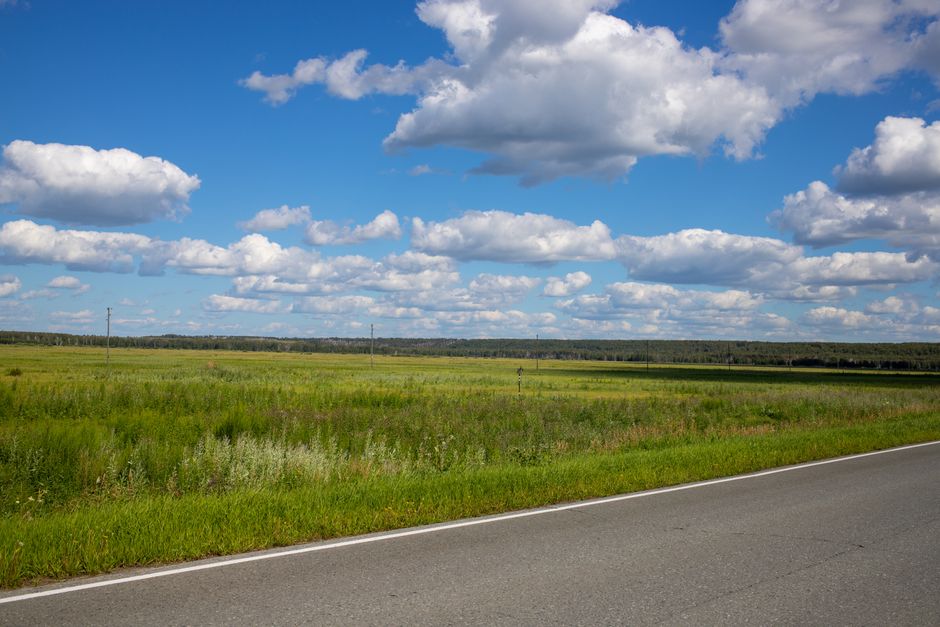
Pawhuska is a small town with genuine bones—a brick downtown that's been modernized without being gutted, decent restaurants, and the kind of place where you can walk around for a couple of hours without feeling like you've run out of things to look at. The drive north is flat and unremarkable, but once you're there, the architecture alone justifies the trip. Victorian storefronts, an ornate courthouse, the kind of place that looks like Main Street used to look before everything got chain-store-ified.
The Tallgrass Prairie National Preserve sits just east of town and is worth the stop if you're interested in prairie ecology or just want to walk through actual native tallgrass. It's humbling in a way that cities aren't. The preserve has trails, a visitor center, and the genuinely unusual experience of standing in landscape that hasn't been fundamentally altered since Europeans showed up. Early fall is perfect here—the grasses turn golden, the heat breaks, and the light gets that quality that makes photographers lose their minds. Winter works too, though it's sparse and cold. Summer is genuinely hot and buggy.
Fort Washita Historic State Park (2 hours southeast)
This is a longer drive—about two hours down through Durant, but the park itself is worth the time investment. Fort Washita is an actual restored military fort from the 1800s, with original and reconstructed buildings, cannons, and a small museum. The whole complex sits in dense forest near the Washita River, so there's this odd combination of history and nature that works better than it sounds. You can walk through barracks, officers' quarters, and imagine what garrison life actually looked like. The park also has several burial mounds—this area was occupied by Native Americans long before the fort existed, and those mounds are still here, shaded and quiet.
The drive is almost entirely highway, and Durant itself isn't compelling, so this works best as a full half-day commitment rather than a quick in-and-out. Spring is beautiful here too, but fall—October specifically—hits perfectly. The temperature drops to something reasonable, the tourist season ends, and you can walk the grounds without feeling rushed. Bring comfortable shoes and plan to spend at least three hours exploring.

Talimena Scenic Byway (1.5 hours southeast to Moyers, OK)
This isn't a single destination; it's a fifty-four-mile drive along a ridge-top highway with genuine views. Head southeast toward the Winding Stair Mountain area and take the Talimena Scenic Drive, which connects the Oklahoma side to Arkansas. Even if you don't drive all the way to Arkansas, the Oklahoma portion alone is worth half a day. The road winds through the Ouachita National Forest, and for once, "scenic drive" isn't hyperbole—you actually get elevation change, actual vistas, and trees that aren't in a parking lot.
There are pullouts, a few hiking trailheads, and the general absence of commercial development that makes it feel quieter than anything near Tulsa usually does. Stop in Moyers if you want to have driven to "the middle of nowhere" and back. The drive works in any season, but early fall (late September through October) is when the light is best and the temperature is forgiving. Summer can feel crowded on weekends, and winter conditions can be iffy at elevation, though rarely severe.
Gillioz Theatre and Springfield, Missouri (1.5 hours north)
This one's for people who like small cities with actual character. Springfield is a bigger town than Pawhuska—more services, more restaurants, more things happening—but it hasn't been completely overrun. The Gillioz Theatre is the draw: a restored 1920s movie palace that's genuinely opulent in the way old theaters were. Even if you're not catching a show, the interior alone is worth the price of a guided tour. The building is all plasterwork, chandeliers, and red velvet—the kind of thing that reminds you what "grandeur" used to mean before everything became glass and steel.
Beyond the theatre, Springfield's downtown has galleries, decent restaurants, and a history museum that's better than you'd expect. The drive north is fairly straight and quick—ninety minutes of nothing much, then you're there. This works best when there's a show you actually want to see, but even as a casual day trip, the downtown is pleasant enough for lunch and wandering. Season doesn't matter much here since you're mostly indoors, though spring and fall are the most comfortable for walking around.
Practical Notes on the Drive
Most of these trips are manageable solo, and the driving itself is rarely stressful. Highways are straightforward, traffic isn't awful, and there's cell service even in the rural sections. If you're planning more than one trip, space them out—there's something about day-tripping that makes the days blend together if you do too many in a row.
Gas up in Tulsa before heading south or southeast. Small towns have stations, but they're not always convenient. Most of these places are least crowded midweek and earliest in the day. Fort Washita and Robbers Cave get heavily visited on weekends, especially in summer and early fall. The Tallgrass Prairie and the scenic drives stay relatively quiet regardless of day or season. Plan to spend between four and eight hours on a trip depending on how much time you want to actually spend there versus driving. And honestly, if the weather's bad or you're tired, there's zero shame in staying in Tulsa and exploring the city itself—these trips are nice precisely because they're optional.