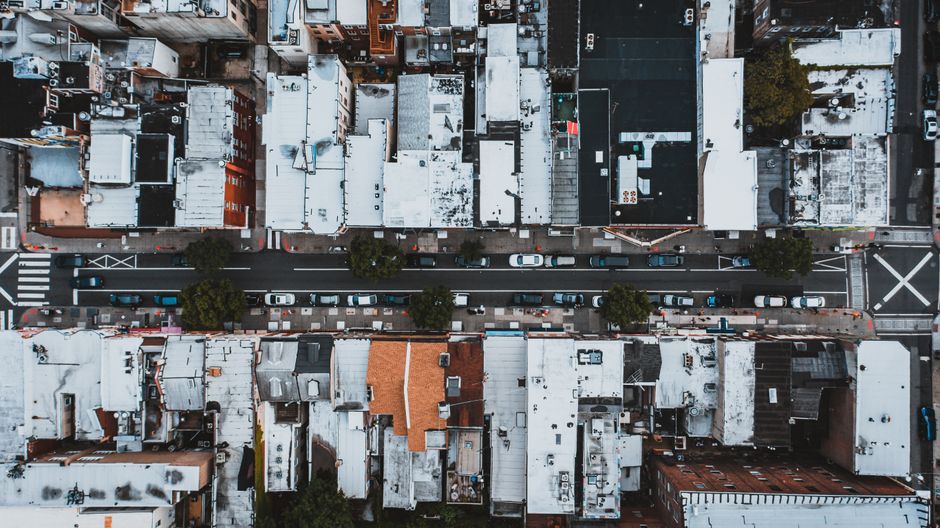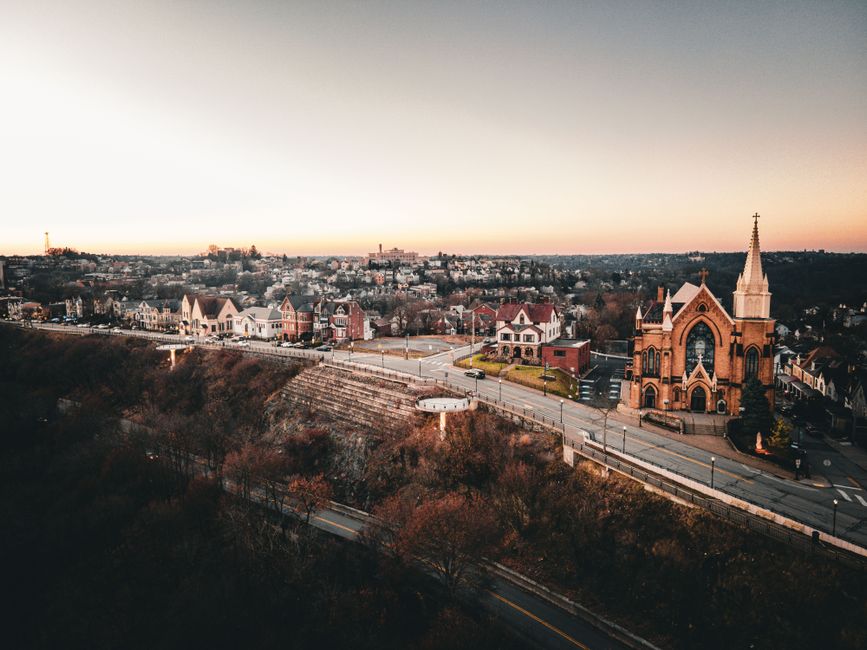
I've landed in Pittsburgh more times than I expected to, and every time I'm struck by how much the city feels like it's still figuring itself out—in the best way possible. The steel mills are gone, but that scrappy, working-class vibe hasn't vanished. It's just found new outlets. The neighborhoods that matter most to a short-term visitor are genuinely distinct. You can feel the difference between them the moment you step off the street car.
Finding the right Airbnb neighborhood here isn't about chasing Instagram moments. It's about matching your actual rhythm to a place where you'll actually want to spend your evenings. I've bounced around enough to know which areas work for what kind of traveler, and which ones sound better in a listing description than they feel in reality.
Lawrenceville: The Gentrified Cool That's Still Genuine
Lawrenceville gets the most hype for a reason—it's got the walkability, the restaurants, the bars, and enough character that you don't feel like you're in a chain-store simulacrum of a neighborhood. Butler Street is the main spine, running northeast from the Strip District, lined with vintage shops, coffee places that know what they're doing, and increasingly expensive real estate.
The walking is genuinely good here. You can eat dinner, wander to a brewery, grab a coffee, and never feel like you're doing something inconvenient. Safety is solid, especially the closer you are to Butler Street or the residential blocks just off it. After dark, it's well-lit and populated enough that you won't feel isolated. The vibe skews younger, though not aggressively so—you'll see families alongside the twenty-somethings with vintage bikes.
Nightlife exists but doesn't dominate. There are enough bars and late-night spots that you can find what you want without the neighborhood feeling like a party district that never sleeps. Expect nightly rates between $120 and $200 depending on how close you are to Butler Street and how renovated your unit is. Honestly, you're paying a gentrification premium here, but the premium buys you actual convenience.
The North Shore: Walkable, Safe, and Close to Everything
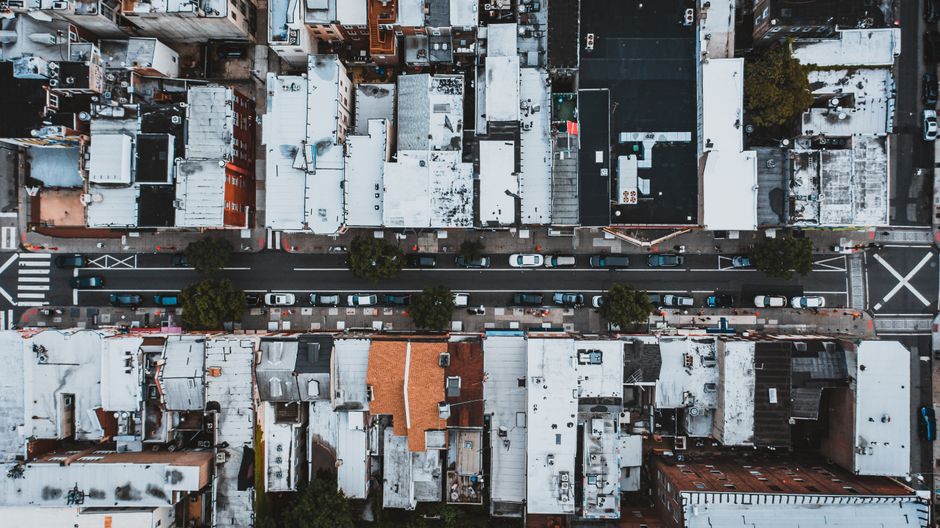
I'll be direct: if you want to feel like you're not really in a residential neighborhood, North Shore isn't it. But if you want to be within easy walking distance of the Cultural District, the stadiums, riverfront trails, and a growing number of restaurants and bars, it works.
Walkability is the draw. You're steps from the Andy Warhol Museum, the Heinz History Center, and the Rivers Casino if that's your thing. The T light rail moves you quickly downtown. The neighborhood itself is still rebuilding—there's new construction mixed with older industrial buildings converted into lofts. It doesn't have the settled, lived-in feel of Lawrenceville, but it also doesn't pretend to be something it isn't.
Safety is generally fine on and around the main blocks, but it's worth being aware of your surroundings, especially if you're coming back late at night. The neighborhood is still in transition, which means pockets can feel less populated than you'd want after 10 or 11 p.m. Nightlife is quieter than Lawrenceville—more of a home base than a destination. Prices are competitive: $100 to $170 nightly is typical, which makes sense given what you're getting. You're paying for location and walkability, not neighborhood cool.
Shadyside: Polished, Safe, and a Bit Quieter
Shadyside is the obvious choice if you want a neighborhood that feels sorted. Walnut Street is lined with shops, restaurants, and cafes. Prices are higher. The demographic skews older and more affluent. And if that's what you want—a place where you don't have to think too hard about where to eat or how safe you are—it's a solid choice.
Walkability is excellent. Walnut Street itself is a pleasant enough stroll, and the side streets are tree-lined and quiet. Safety is excellent, especially in the heart of the neighborhood. At night, it's well-lit and populated, though the population is more likely to be someone heading home from dinner than someone bar-crawling.
Nightlife is relatively subdued. There are bars and restaurants, but the neighborhood isn't designed for people who want late-night energy. It's more about early dinners and evening drinks. That's fine if you want quiet, less fine if you're looking for neighborhood buzz. Nightly rates run $140 to $220, depending on exactly where you book and how nice the unit is. You're paying premium prices for a neighborhood that feels stable and familiar—which appeals to some travelers and puts off others.
Strip District: Chaotic, Cheap, and Real
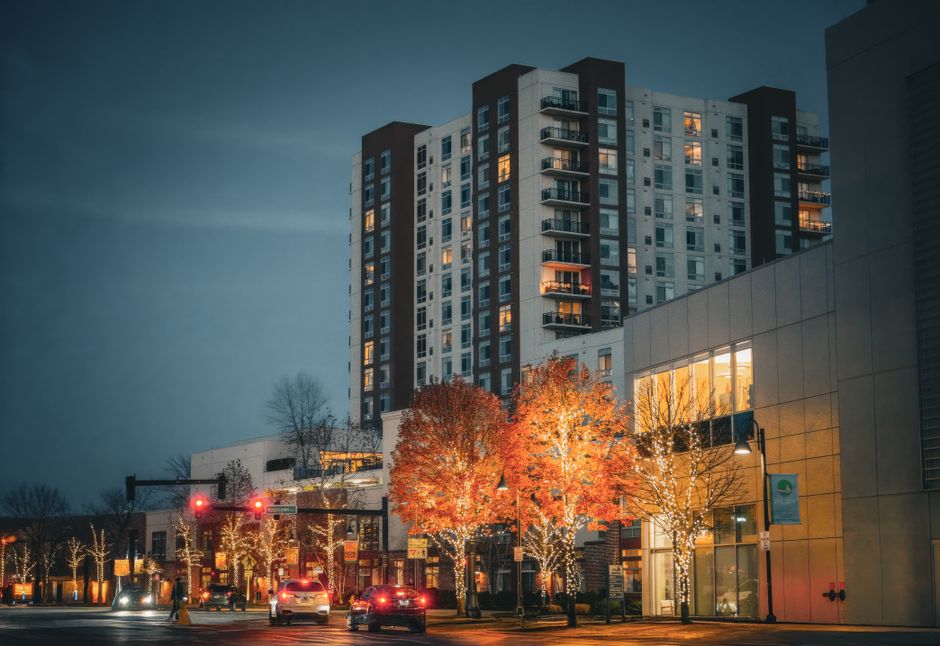
The Strip District is nothing like these other neighborhoods. It's not quaint. It's not trying to be cool. It's a working produce market, a restaurant supply district, and an increasingly popular spot for younger people who want urban grit without the polish.
Walkability is high and weird. Penn Avenue is the main drag, and it feels more like somewhere people work than somewhere people live. You've got vegetable stands next to wine importers next to bakeries. The crowds during the day are dense and functional. But here's the thing: it actually works as a short-term base if you want to experience Pittsburgh without the neighborhood Instagram aesthetic.
Safety at night is the real consideration. The Strip empties out after business hours in a way other neighborhoods don't. It's not dangerous, exactly, but it feels less populated and less obviously monitored. You'll want to be aware of your surroundings after dark, especially if you're walking alone late. The appeal is the daytime character and the prices: you can find Airbnbs here for $80 to $130 nightly, which is noticeably cheaper than anywhere else on this list. You're trading neighborhood ambiance for savings and proximity to downtown. If you spend most of your time elsewhere and just need a cheap base to sleep, it works.
Highland Park: If You Want Green Space and Quiet
Highland Park sits northeast of downtown, centered around one of Pittsburgh's best parks—which is less a side benefit and more the entire point. If you want access to trails, trees, and a genuine neighborhood where people seem to actually live instead of perform, this is it.
Walkability is good if you're moving around the park and the nearby commercial strips, but it's more car-dependent than the neighborhoods closer to downtown. You can walk to restaurants and coffee places, but the blocks are a bit more spread out. Safety is solid—it's residential, established, and quiet. After dark, it feels like people's home neighborhood rather than a destination, which means it's well-maintained and well-lit but also emptier at night.
Nightlife is minimal. There are some bars and restaurants, but the neighborhood's identity is built around the park and residential living. If you want to go out, you'll likely head downtown or to Lawrenceville. The appeal here is peace, green space, and the feeling of being in an actual community rather than a tourist zone. Nightly rates run $110 to $170. You're paying for quiet and character rather than nightlife or cutting-edge restaurants. Book here if you want to spend your days walking trails and your nights reading in a living room that belongs to someone's actual life.
The Practical Stuff: Finding Your Fit
The best neighborhood for your Airbnb depends entirely on what kind of traveler you are. If you want restaurants, walkability, and some nightlife without feeling like you're in a party district, Lawrenceville is the default choice—and the price reflects that. If you're okay with quieter evenings and want the safety and stability of a more established neighborhood, Shadyside works. If you want to actually experience how Pittsburgh feels as a living city and not a tourism overlay, the Strip or Highland Park have something to offer that the polished neighborhoods don't.
Price matters too. You can save $50 to $100 per night by choosing the Strip District over Shadyside, and that adds up fast over a week or longer stay. North Shore splits the difference on both cost and character—it's cheaper than Shadyside, pricier than the Strip, and offers decent walkability without the settled-in neighborhood feel.
One last thing: the Pittsburgh Airbnb market is still relatively sane compared to most major cities. You're not paying San Francisco prices, and even the expensive neighborhoods are affordable if you're comparing to coastal cities. Use that to your advantage. Book in a neighborhood that actually appeals to you rather than settling for something cheaper just because it's cheaper.