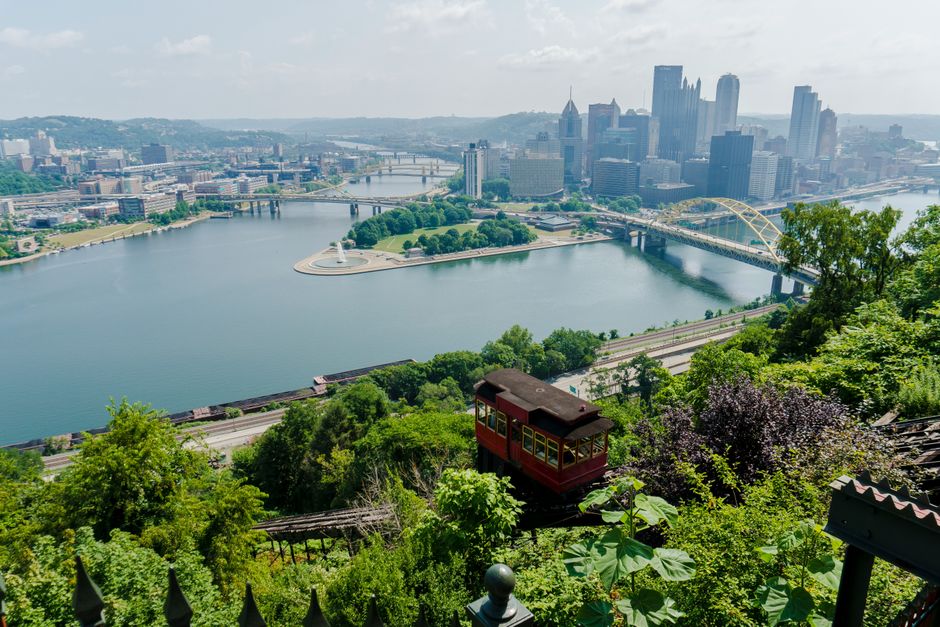
I showed up in Pittsburgh on a gray October afternoon with the usual tourist itinerary: Point State Park, the Incline, maybe catch a Pirates game. Three hours in, I'd already ticked two boxes and felt like I'd seen the postcard version twice. So I did what I always do—I got on the T, got off somewhere that didn't sound famous, and walked around until something caught my attention.
Turns out Pittsburgh doesn't hide its best stuff behind ropes and admission booths. It's just spread across neighborhoods most visitors never reach because they're too busy waiting in line for the Duquesne Incline. The city's actually built for wandering if you're willing to miss the main attractions.
Mellon Square Park and the Unexpected Quiet
You want to know the easiest way to lose a crowd in Pittsburgh? Tell them about a park that doesn't have a river view or a skyline photo op. Mellon Square is tucked into the financial district—Sixth and Grant streets—and it's basically a secret plaza that nobody talks about. When I walked in around 3 p.m. on a weekday, I counted maybe four other people there, and they were all on lunch breaks.
It's this brutalist oasis with a waterfall, landscaped gardens, and benches that actually face somewhere worth looking. The whole thing feels imported from somewhere else, like someone dropped a minimalist sculpture garden into downtown and nobody bothered to advertise it. On a busy day it might get moderately crowded, but even then it's nothing like the chaos up at the Golden Triangle. I sat there for forty minutes, watched the water, read my book. Cost me nothing.
Phipps Conservatory (Without the Crowds)
Phipps is technically not unknown—it gets tourists. But I went on a Tuesday morning when everyone with a normal job was at work, and the experience was completely different from what I expected. The glass houses, the tropical plants, the orchid displays—all of it felt peaceful instead of claustrophobic. Peak visiting hours are obviously weekends, but if you have any flexibility, go early on a weekday.
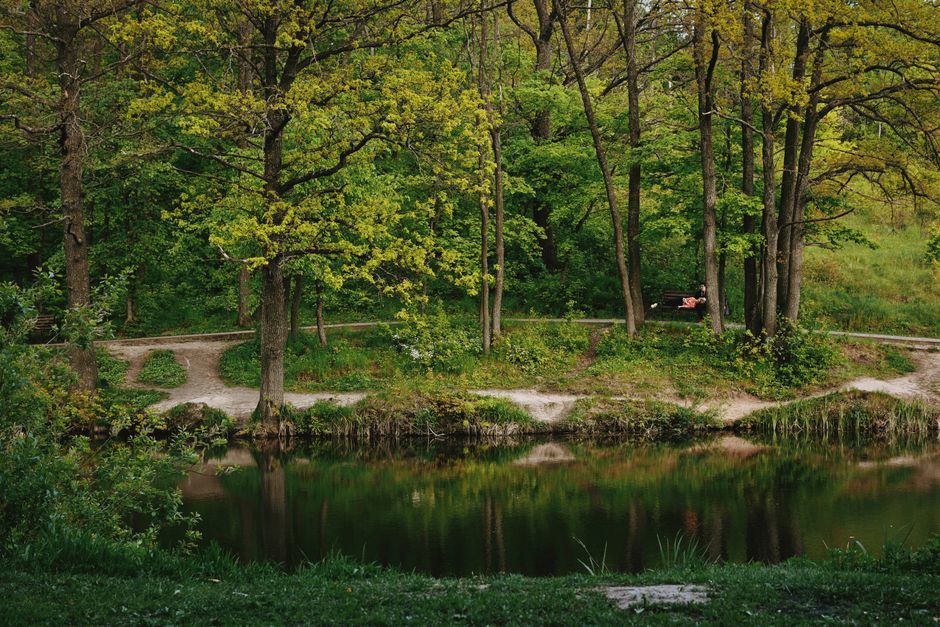
The conservatory is in Schenley Park, which is itself worth an hour of wandering. Wide paths, old trees, feels like you've stepped back into something from the 1920s. There's a boathouse, rolling grass, a whole ecosystem that contrasts sharply with the dense residential neighborhoods around it. Parking's free, admission to Phipps is reasonable, and you can easily spend half a day here without running into the guided-tour shuffle.
The Mattress Factory and Off-Beat Art
This is a contemporary art museum in the North Shore neighborhood, inside an actual mattress factory. Most of the collection is immersive installation work—not the kind of thing that reproduces well in photos, which is maybe why it doesn't clog up Instagram feeds like some institutions do.
I went partly because I had no idea what to expect. The staff was small and genuinely interested in talking about the exhibits instead of herding people through. A lot of the work is frankly weird—which I mean as a compliment—and there's enough to look at that you can spend two hours there without feeling rushed. It's the kind of place where you remember why you liked art in the first place, before it became about visiting all the famous museums. It's in a neighborhood that's actively gentrifying, which means there are decent coffee spots and restaurants within walking distance.
Grandview Avenue and the View That Doesn't Charge You
Everyone knows about Mount Washington and the overlooks there. I went, paid my money, took my photos with everyone else. But if you walk or drive up Grandview Avenue on the south side of the river, you get a similar vista without the infrastructure and the crowds.
There are a couple of small lookout points along the street itself, and the views aren't obstructed by railings or buildings. It's just you and the city spread out below. I parked nearby and walked the whole avenue one afternoon, and it felt like stumbling onto something private even though it's technically public space. The neighborhoods around there—Banksville, the lower sections of Mount Washington—are residential and quiet. If you're the type who likes to drive slowly through unfamiliar streets and look at how people actually live, this is the place.
The Benedum Center Area and Late Afternoon Walking
I don't go to shows—I'm usually traveling too cheaply for that. But the Benedum Center and the theaters around it are interesting to walk past, especially in late afternoon when the light is good and the area feels transitional between daytime and evening. There's the Benedum itself, the Heinz History Center nearby, smaller galleries and performance spaces you wouldn't expect in a mid-sized city.
The riverfront around there is more organic than Point State Park feels—less designed, more lived-in. Walk up towards the Strip District from there and you start to see the food suppliers, the old storefronts, the places where Pittsburgh actually works instead of performs for visitors. This is where I'd go for an evening if I wasn't doing anything structured. Get dinner somewhere cheap, walk around, watch how the city changes as the light goes.
Lawrenceville and the Actual Pittsburgh
Lawrenceville is gentrifying, yes, but it hasn't completely transformed yet. It's not trendy in the obvious way—there are still plenty of longtime residents, older buildings, small shops that aren't part of a chain. I walked around there on a Saturday morning and it felt like a neighborhood instead of a destination.
There are galleries, thrift stores, coffee shops, used bookstores. The kind of independent businesses that survive because locals actually use them, not because they've been featured in a magazine. The residential blocks are interesting—Victorian and early 1900s housing stock, narrow streets, the physical reality of how Pittsburgh was built. If you're interested in the actual city rather than the tourism version, spend a few hours here. Park on a side street and just walk around. You'll see more about how this place functions than you will at any major attraction.
A Note About Getting Around Without the Incline
Pittsburgh's public transit works reasonably well if you're patient and don't mind waiting. The T gets you most places, and once you're in a neighborhood, walking is fine—the city's dense enough that things are close together. Taxis and rideshares are available but expensive compared to other cities. If you're renting a car, parking in neighborhoods is usually free or cheap, and once you get used to the hills and the bridges, navigation is straightforward.
The real advantage of avoiding the main tourist strip is that you see Pittsburgh the way it actually functions. You wait for the same buses as everyone else. You see who lives where. You understand the geography by moving through it instead of from an overlook. It takes more time and less efficiency, but that's kind of the point of solo travel anyway.