
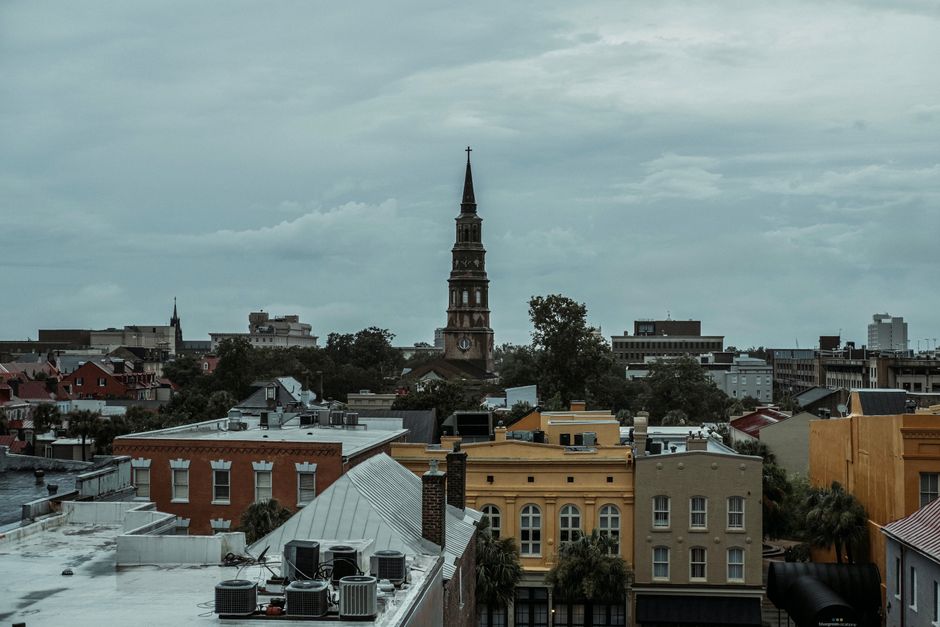
I arrived in Charleston on a Thursday evening in October, stepping off the bus into that thick, fragrant humidity the city's known for. The Historic District was lit up—cobblestones gleaming, restaurants spilling music onto King Street—and I felt that familiar solo traveler's mix of excitement and wariness. Charleston's reputation precedes it: charming, walkable, full of history. But it's also a real city with real neighborhoods, some safer than others, especially after dark.
I've spent enough time in regional cities to know the pattern. Charleston's violent crime rate sits above the national average, though property crime and theft are the more frequent concerns. The good news? Most areas that draw tourists are well-lit, populated, and actively patrolled. The trick is knowing where to walk with purpose, where to avoid late at night, and when to just take a rideshare instead of testing your luck.
King Street and the Historic District After Dark
King Street is the spine of Charleston's downtown, lined with shops, bars, and restaurants. During the day and early evening, it's packed and safe—the police presence is visible, and you're never alone. Walk here in daylight without hesitation.
After 10 or 11 p.m., the vibe shifts. The bars are still busy, but the casual foot traffic thins out. Isolated blocks between restaurants become quieter. If you're out late, stay on the main thoroughfare, stick to well-lit sections, and don't cut down side streets to save time. Better yet, use a rideshare app. A $6 Uber back to your hotel beats an uncomfortable walk where you're watching over your shoulder.
The Historic District proper—those leafy blocks with colonial homes and hidden courtyards—is genuinely lovely during the day. Twilight is still fine if you're moving with purpose. But midnight strolls through residential side streets aren't recommended solo, especially if you're unfamiliar with the layout. You'll wander into corners that look beautiful but empty, and that's when trouble finds you.
The Area North of Calhoun Street
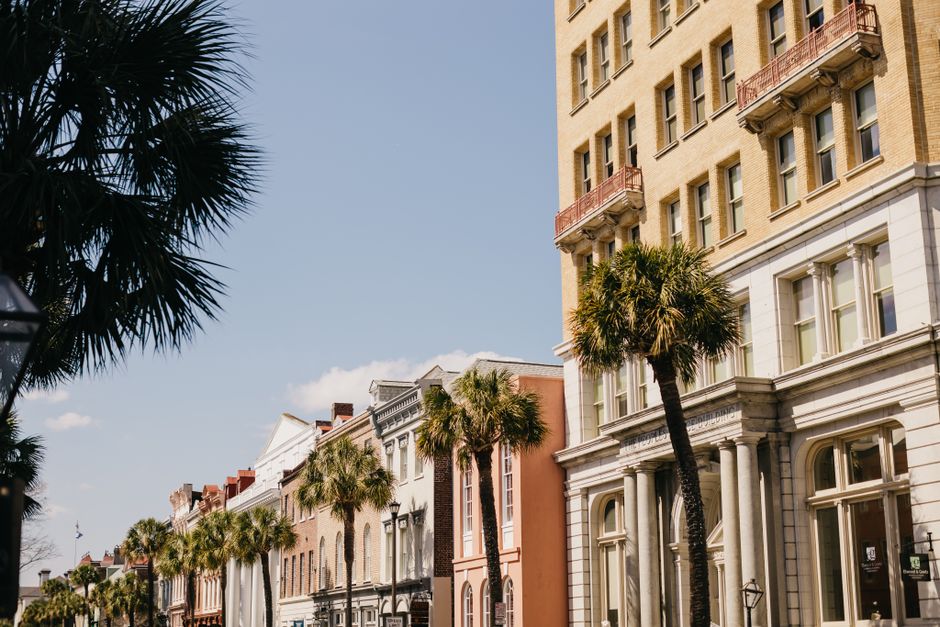
Everything north of Calhoun Street starts shifting in character. You're out of the tourist core. The neighborhoods here are mixed—some blocks perfectly fine, others with higher reported property crime rates and more visible disorder. Upper King Street (north of Calhoun) has some good restaurants and bars, especially around the Barbadoes Alley area, but it requires more awareness.
I wouldn't tell a solo traveler to avoid this entire zone, but I'd suggest going with purpose, during daylight or early evening, and preferably not alone. Stick to the businesses you're planning to visit and the main streets. Don't wander residential blocks at night trying to find a shortcut. If you're considering a restaurant or bar up here, go early (before 9 p.m.) and arrange your transport before you arrive.
West Ashley and Areas Beyond the Peninsula
West Ashley is across the Ashley River and mostly residential or commercial—suburbs, strip malls, and neighborhoods where locals actually live. It's not dangerous in the way a traveler needs to fear, but it's not designed for foot traffic. You'll need a car or rideshare to get around, and there's little reason to go here unless you're specifically visiting a restaurant or attraction.
Same goes for North Charleston and areas further out. These aren't neighborhoods to avoid out of fear; they're just not where the tourism infrastructure is. You'll end up stranded, bored, or both.

Practical Safety Habits That Actually Work
Keep your phone charged and have rideshare apps downloaded before you arrive. In Charleston especially, knowing you can get a ride anytime—and that drivers know the streets—gives you freedom without recklessness. Don't get cheap on the last two hours of the night.
Walk with awareness during the day. That means headphones out, head up, eyes on your surroundings. If you're a solo traveler who tends to be absorbed in your phone or map, snap out of it before you're lost. Know where you're going. Confident movement—even if you're slightly uncertain—reads differently than hesitation.
Use the walking paths and tourist routes that are maintained. The Waterfront Park, the streets immediately around the historic squares, the Market Hall area—these are actively maintained and foot-traffic is expected. If you're on a quiet, residential block with no one around and it's getting dark, that's your cue to redirect. Trust the feeling.
Take the same precautions you would in any mid-sized American city. Don't flash cash or expensive gear. Don't leave belongings unattended. Bike theft is common, car break-ins happen, and package theft from hotel lobbies occurs. Use hotel safes for valuables.
The Neighborhoods Worth Your Time
Charleston's best experience for a solo traveler is staying in or near the Historic District and sticking to the foot-traffic zones. The Waterfront and Market Hall area is excellent—busy, welcoming, good bars and restaurants. King Street shops keep people around. The Charleston City Market itself is touristy but safe, packed during the day.
Rainey Street (if you're here when it's warm) has a newer bar district that draws crowds. It's well-lit and active. East Bay Street along the water is pleasant and safe. These are where you can walk without second-guessing yourself.
Scams and Tourist-Specific Theft
Charleston doesn't have a major scam reputation like some tourist cities, but the usual things apply. Street parking is heavily metered and ticketed—don't leave gear visible in a rental car. Bike theft is real and common, so use secure parking if you rent one. Overpriced restaurants near major tourist intersections exist, but they're not dangerous, just annoying.
Be wary of unsolicited offers to buy or sell things on the street. Someone approaching you with enthusiasm about a deal or a tour they're running is probably not offering genuine value. It's tourism's oldest script.
What Solo Travelers Actually Love About Charleston
Here's what keeps people coming back: the city is compact enough to explore on foot during daylight. The restaurant scene is legitimately excellent—you can eat alone at bars and counters without feeling awkward, and locals do the same. The history is palpable without being oppressive. The people are generally polite in that Southern way that makes strangers feel welcome.
You'll have a better trip if you accept that solo travel here means being smarter about timing than fearful about neighborhoods. Walk during the day, plan your evenings, take a rideshare if you're out late, and you'll discover why so many people love this city. It's a genuine place, not just a postcard, and treating it that way—with respect for its real street rhythms—makes it safer and more enjoyable.



