I arrived in Charleston on a Thursday afternoon in March, walking off King Street into the old squares where the live oaks drape everything in shadow. The air was warm but not oppressive—spring hadn't yet become the thick, suffocating heat that makes summer here feel like breathing underwater. Within two days, I understood why people talk about retiring here. It's not just the architecture or the Lowcountry food. It's the pace. People actually sit on porches. The kind of place where a real conversation doesn't feel rushed.
But retiring somewhere and visiting it are different animals. I spent the next week talking to locals—actual retirees, people who'd moved here in their sixties and seventies, and a few who'd left after a few years. The consensus wasn't simple. Charleston works for some people. For others, it's a beautiful trap with some genuine friction points. This is what I learned.
What Retirement Actually Costs Here
Charleston's cost of living has climbed considerably since the pandemic. You won't retire here on the same budget as you might have fifteen years ago. A modest retirement home in or near Charleston runs anywhere from $400,000 to $600,000 depending on condition and neighborhood. Rental apartments, if you're considering that route first, typically start around $1,200 to $1,500 for a one-bedroom outside the Historic District. Inside it—forget it. You're looking at $1,800 and up.
Groceries and utilities sit roughly at or slightly above the national average. Healthcare, which we'll get into separately, depends heavily on your insurance situation. What does tend to be reasonable is restaurant dining and entertainment. The city's full of decent spots where you can get a good meal for $12 to $18, and there's no shortage of free or cheap cultural events—walking tours, live music in parks, gallery openings. Property taxes in Charleston are moderate compared to the Northeast, though that's offset by the real estate prices themselves. The South Carolina state income tax does apply to retirement income, which is worth factoring in if you're coming from a no-income-tax state. I'll dig into the tax angle more, but the point here is simple: Charleston is not cheap anymore, but it's also not San Francisco.
Healthcare: The Serious Question
Medical access in Charleston is probably the single most important practical consideration for anyone retiring here. MUSC (Medical University of South Carolina) is a major academic medical center downtown. It handles trauma, complex surgeries, and specialty care with legitimate national reach. For routine care—primary physicians, specialists, preventive work—the city and surrounding suburbs have adequate options, though finding a doctor accepting new patients sometimes takes patience.
The real limitation isn't usually the quality of facilities. It's the logistics. If you're serious about specialized cardiac or orthopedic care beyond what Charleston offers, you might end up traveling to Charlotte or Raleigh, or occasionally flying. For people retiring with existing chronic conditions, this is something to research specifically. I talked to one retiree who'd moved back to be closer to family's medical network after dealing with what she called 'the two-hour specialist appointment distance.' That's not a Charleston problem specifically—it's a regional one. But it matters.
The Climate Trade-Off
Winter in Charleston is genuinely mild. I'm talking February days in the mid-60s, frost maybe three times a year, and snow perhaps once every five years. That alone draws people from the Northeast and Midwest. You avoid the bone-deep cold and the psychological toll of gray January through March.
Summer is the other side of the coin. June through September, the heat climbs into the low 90s regularly, and humidity makes it feel like 100-plus. There's no escaping it with an open window. Air conditioning becomes non-negotiable. The hurricane season from June through November adds an element of chaos—not that major direct hits are common, but the preparation and occasional evacuation are real. I was there during a tropical storm watch in late September, and the city shuts down fast when a storm's coming. It's not a dealbreaker for most, but if you have mobility issues or can't handle heat well, this is worth seriously testing before you move. Rent for a few months during July or August before you commit. Your body will tell you what your head needs to know.

South Carolina Taxes: What Actually Applies
This is where people often get confused or get sold a line by relocation consultants. South Carolina does tax retirement income. Specifically, they tax Social Security, pensions, and distributions from retirement accounts like IRAs and 401(k)s. If you're coming from Florida (no income tax) or somewhere similar, this is a meaningful shift in your annual tax bill. That said, the state income tax rate is graduated, topping out at 7%, which is lower than many Northern states. Military pensions get a partial exemption, and there are some specific breaks for retirement income over age 59½, but the baseline is: you will owe state income tax on what you earn or draw down in retirement.
Property taxes in Charleston County are relatively low in the national context, around 0.55% of assessed property value. So a $500,000 home might run you $2,750 annually in property tax. That's a real number to factor into your monthly budget, but it's not punitive. The bigger tax story is individual. If you're living primarily off Social Security, your state tax bill might be manageable. If you're drawing from retirement accounts, it adds up. This isn't legal or financial advice—it's why talking to an accountant familiar with your specific situation matters before you move.
Downtown and the Historic District: Walkable But Pricey
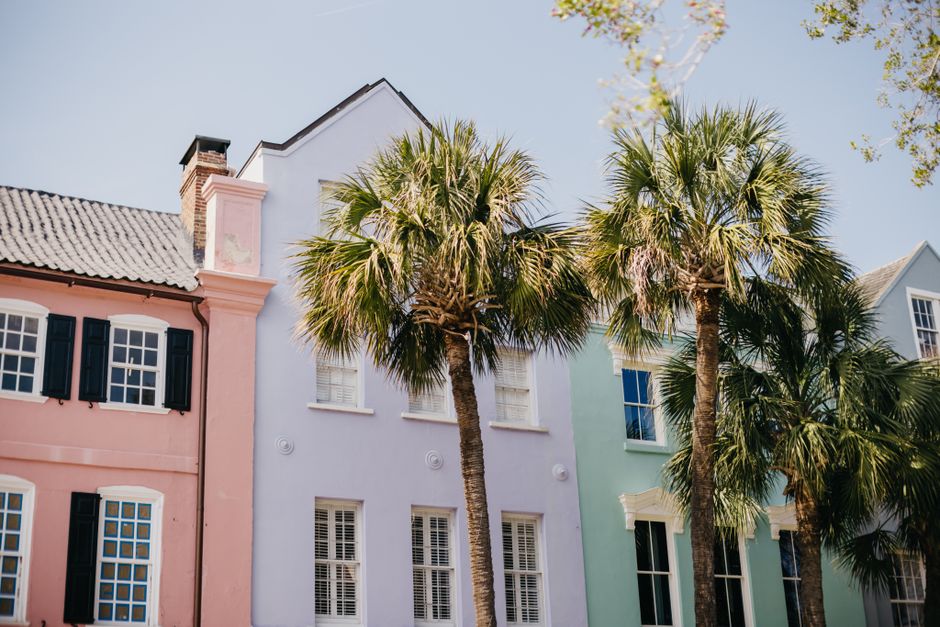
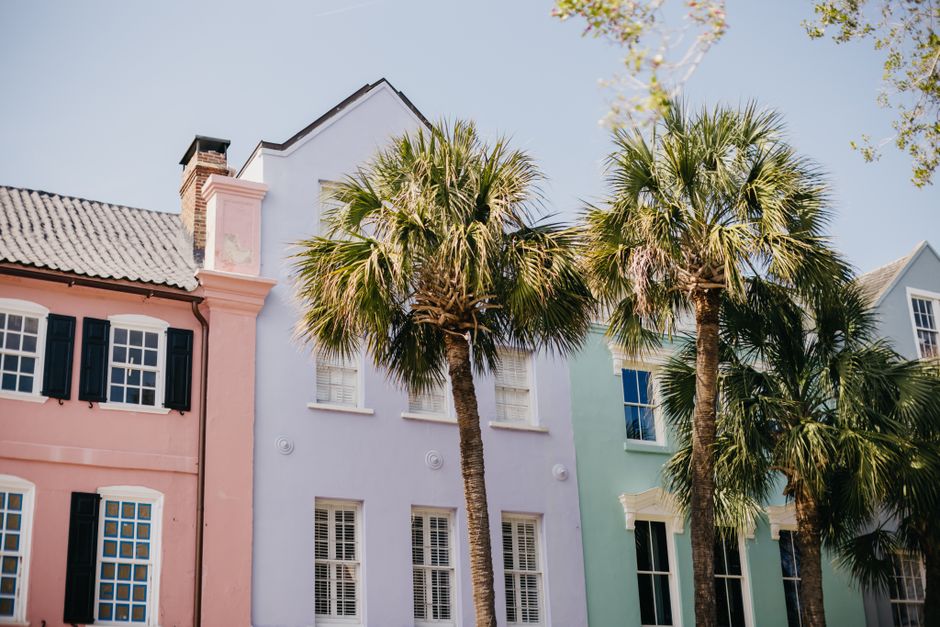
The Historic District is the postcard version of Charleston. Narrow streets, rainbow row, every restaurant you've heard about, live music pouring out of bars. If you retire here, you'll visit often, but actually living here requires money. A condo or townhouse in the Historic District starts around $600,000 and climbs fast. Parking is a nightmare. The streets are loud in peak season, especially weekends. Winter is quieter and genuinely pleasant for walking. Summer is packed with tourists and feels less like a neighborhood and more like a theme park.
That said, there's a real community of retirees who live in the Historic District or just outside it on the edges of Upper King or Ansonborough. They walk to dinner, to coffee, to galleries. They know the rhythm of the city—which restaurants are good on Tuesday nights versus Saturday, which streets to avoid during tourist season. It requires a certain temperament. You need to actually like living in a dense, social environment. If you're looking for quiet and space, this isn't it. But if you're social, intellectually engaged, and okay with urban proximity, it works.
Summerville: The Quieter Alternative Just Outside the City
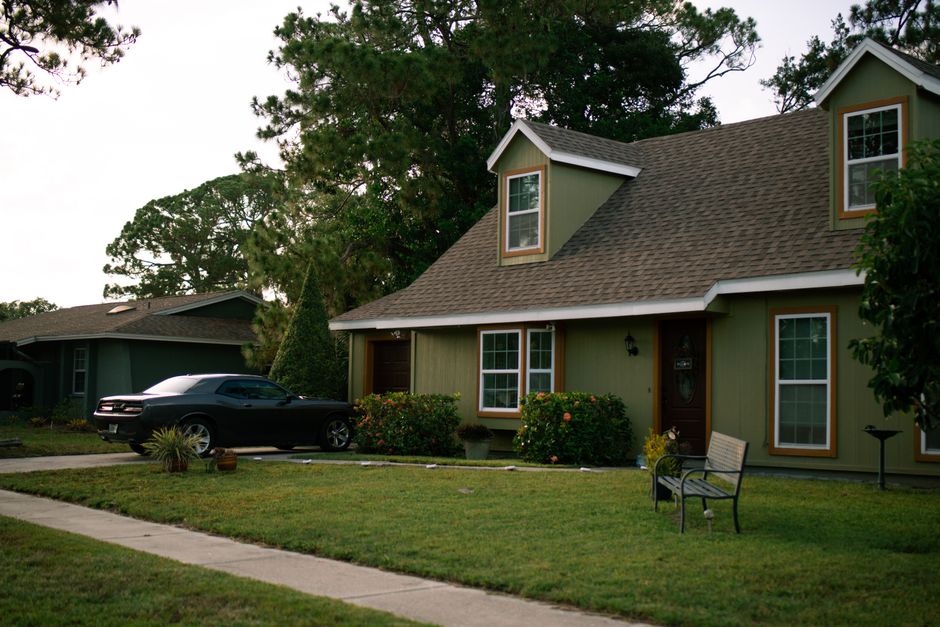
I drove out to Summerville on a late afternoon, and the shift was immediate. Quieter streets, actual yards, families on porches, the sense of a small town that's grown a bit but held onto itself. It's about 30 minutes northwest of downtown Charleston, and it's become increasingly popular with retirees who want Charleston's access without living in it.
The appeal is real. Housing prices are noticeably lower than downtown or even central Charleston—you might find a solid single-family home in the $350,000 to $450,000 range. There are golf communities catering specifically to retirees. The town has its own downtown with decent restaurants and shops, and it's walkable in small doses, though you'll need a car for most errands. Healthcare is accessible through Charleston's hospitals for serious issues, but there's also a local medical presence. The downside is that Summerville can feel generic compared to Charleston proper. It's got that suburban chain-store quality in places. If you're retiring to actually live in Charleston's character and history, Summerville is a compromise. But if you want safety, affordability, and reasonable access to the city without living in it, it's a solid option. I talked to a retired couple who'd moved there from Massachusetts, and they seemed genuinely happy. They take advantage of Charleston when they want it, but they live a quieter life.
West Ashley and James Island: The Working Landscape
On the other side of the Ashley River, the vibe shifts again. West Ashley is less polished than downtown, less manicured than Summerville. It's where people actually live, work, and raise families. There are pockets that have gentrified and become quite nice—neighborhoods around Folly Road have real appeal. But the area is more working-class, with strip malls, service businesses, and a grittier aesthetic. Housing is cheaper. A solid three-bedroom home might run $300,000 to $400,000. You're closer to the beaches and to outdoor recreation. For retirees who don't need the social and cultural apparatus of downtown, who like nature more than restaurants, West Ashley has its draw.
James Island is similar but more suburban and spread out. Some beautiful spots, some less so. It's genuinely affordable and quiet, but you're definitely in car territory. The tradeoff for lower cost is that you lose the walkability and density that makes cities appealing to some retirees. It's a choice, not a failure. But I'd only recommend it if you've actually spent time there and connected with the lifestyle—not because the houses are cheaper.
Who Should Actually Move Here
After a week of conversations and observations, I came away with a clear sense of who thrives in Charleston as a retiree and who doesn't. It works if you're social, if you enjoy walking around urban neighborhoods, if the warmth of the South suits your temperament, and if your healthcare needs are straightforward. It works if you've got the budget to live comfortably—around $2,500 to $3,500 monthly for a modest but secure life, depending on what you want. It works if you're okay paying state income tax and if you can handle summer heat.
It doesn't work if you're on a tight fixed income, if you need specialized medical care, if you hate humidity and heat, or if you're looking for a quiet retirement community separate from real urban life. And honestly, it doesn't work as a retirement fantasy you've never tested. Spend three months here first. Rent an apartment. Live it. The city reveals itself slowly, and what draws visitors doesn't always align with what sustains retirees day to day.
Frequently Asked Questions
Is Charleston South Carolina expensive to retire in?
Charleston has become more expensive over the past decade, though it's still more affordable than major Northern cities. A comfortable retirement here typically requires $2,500 to $3,500 monthly for housing, utilities, food, and entertainment. Housing prices range from $350,000 in nearby Summerville to $600,000 and higher in or near the Historic District. South Carolina also taxes retirement income, including Social Security and pension withdrawals, which adds to annual costs.
What are the best neighborhoods in Charleston for retirees?
Summerville, about 30 minutes northwest of downtown, offers lower housing costs, quieter streets, and golf communities designed for retirees. The Historic District itself is walkable and culturally rich but expensive and crowded with tourists. West Ashley and James Island are more affordable and car-dependent. Your choice depends on whether you prioritize walkability and culture or quietness and cost savings.
Does Charleston have good healthcare?
MUSC (Medical University of South Carolina) is a major academic medical center downtown offering quality care for complex cases. Routine care and specialists are available, though finding a new primary physician can take time. For highly specialized treatment, you may need to travel to larger regional centers like Raleigh or Charlotte, which is worth considering if you have specific medical needs.
Is Charleston too hot and humid in the summer?
Yes, summers are hot and very humid, typically reaching the low 90s from June through September. Winter is mild and pleasant, making it attractive if you're avoiding Northern cold, but summer heat and humidity are significant and require air conditioning. Most people considering retirement here should spend July or August in the city first to see if the climate suits them.
Which neighborhood would you retire in?