I rolled into Charleston on a Saturday in March expecting to see why everyone loses their mind over this place. The heat hits different here—humid, wrapping around you like a blanket even in spring. Within two hours I'd already spotted the Instagram crowd at Rainbow Row, the lines at Fort Sumter, and tour groups ten-deep at Magnolia Plantation. Some of it's worth the hype. A lot of it isn't.
I'm not here to trash Charleston. The city's got genuine appeal—the architecture is real, the food scene is serious, and the pace feels different from the rest of the Southeast. But I've also spent enough time in crowded tourist zones to know when I'm paying for the name and the photo op instead of the actual experience. This isn't a hot take; it's just what I noticed after walking these streets for a week.
Rainbow Row and the Instagram Trap
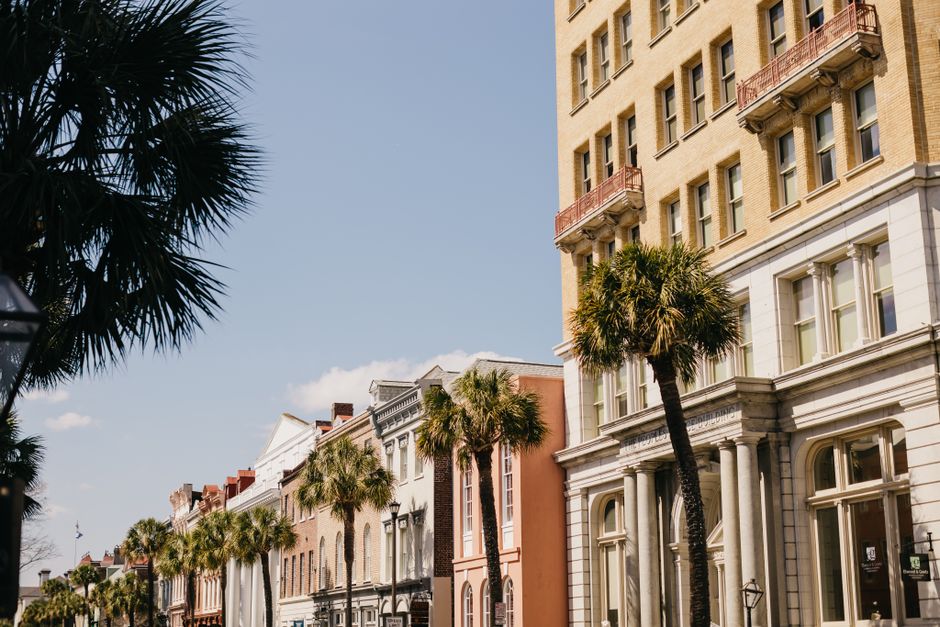
You know the spot. That row of pastel townhouses on Chalmers Street that looks like someone painted a candy store. It's real, it's pretty, and it's absolutely suffocated by people pointing cameras at it. I watched a woman wait in the middle of the street for 15 minutes to get her shot without another tourist in the frame. She didn't get it.
The problem isn't that Rainbow Row is fake or bad. It's that you're not actually spending time there—you're standing in traffic taking a photo. The houses date to the 1700s, and the current restoration happened in the 1920s. That's cool. But you don't need to spend an hour in a crowded street to absorb that fact. A five-minute walk-by on your way to somewhere else gives you the same visual and saves your sanity.
Fort Sumter: Famous but Thin on Experience
Fort Sumter sits on a peninsula in Charleston Harbor where the first shot of the Civil War was fired in 1861. That's heavy history, genuinely significant. The ferry ride out there is pleasant enough, and the fort itself still stands. But here's what I found: the actual fort is smaller than you'd expect, the exhibits inside are basic at best, and the $24 ferry ride feels steep for what amounts to a brief walk around a pile of brick.
The crowds don't help. On any decent weekend, you're packed shoulder-to-shoulder with families and tour groups, everyone moving through in the same herding motion. If Civil War history is your thing, the Charleston Museum or the nearby Fort Sumter Visitor Center on the peninsula gives you more context in half the time without the ferry queue.
The Magnolia and Boone Hall Shuffle
Two massive plantation properties on the outskirts of Charleston—Magnolia Plantation and Boone Hall—dominate the tour-bus circuit. The grounds are genuinely gorgeous, especially in spring when everything's blooming. The gardens at Magnolia are stunning. The live oak avenue at Boone Hall looks like something from a movie.
But both are expensive, both are mobbed on weekends, and both come with the complicated weight of plantation tourism—beautiful grounds built on slavery, with varying levels of honesty about that history depending on which one you visit. You'll spend $20-30 per ticket, fight for parking, and move through grounds with hundreds of other people. That said, if you go on a weekday morning in off-season, you might actually have space to breathe and think. If you go on a Saturday in April? You're just paying for the experience of being crowded somewhere scenic.
Splurge Time: Spots That Actually Deliver
So where do you actually spend your time? Start with the Aiken-Rhett House, a Federal-era mansion on Elizabeth Street that's genuinely one of the best-preserved urban properties in Charleston. The interiors are unfussy and authentic—not restored into some fantasy version of the past, but left much as they were found. Tour groups rotate through, but it never feels packed. The stories are solid: you get a real sense of how a wealthy family actually lived here in the 1800s, including the preserved slave quarters and their narratives. Admission is around $15, and it's worth every cent.
The Gibbes Museum on Meeting Street is another strong play. It's a small, smart collection of American art with genuine Southern flavor—nothing blockbuster, nothing trying too hard. A lot of local visitors treat it as their quiet spot, which means weekdays are especially manageable. You can get through it in 90 minutes, and unlike some bigger museums, you're not bored by hour two.
For something completely off the usual path, hit the Nathaniel Russell House, also on Meeting Street. It's an architectural jewel—a Federal mansion with an elegant oval staircase that's genuinely architecture-nerd material. The staff is attentive without being pushy, and you'll rarely find yourself elbow-to-elbow with strangers. If you're into houses and design, this one will stick with you longer than Magnolia's gardens.
Waterfront Strategy: Avoiding the Tourist Gauntlet
The Waterfront Park is beautiful. A crescent of green space along the harbor with palmetto trees and benches, good for sitting, good for watching the water. The problem is it's packed most days, and once you've been there 20 minutes you've seen everything. It's better as a passing moment than a destination.
Instead, walk the Harbor Walk in both directions beyond the main park. Head north toward the bridge, or south toward the piers. The crowds thin out fast, the light changes, and you get a real sense of how the city meets the water instead of a manicured photo spot. Grab coffee from one of the independent spots on King Street and take it with you. That's the move.
Food: Where Tourist Traps Hide in Plain Sight
Charleston's restaurant scene is legitimately good. The problem is the famous places—FIG, 167 Raw, Leon's Oyster Shop—are famous for a reason, which means they're packed and the prices reflect the crowds, not always the quality. I ate at all three. All three were solid. None were worth the 45-minute wait or the $60 entree price.
Find yourself a neighborhood spot instead. The restaurants on King Street one block off the main tourist drag are less predictable but often better. Cannon Street has some genuinely creative small plates and cocktails without the scene. Husk is actually worth the hype if you can go at an off-time, but book ahead. Local recommendations beat guidebooks here—ask your hotel staff or a bartender where they actually eat, not where they send tourists.
The Real Charleston Is Quieter Than You Think
Here's what I learned after a week here: the best parts of Charleston happen when you're not trying to hit the highlights. Walk through the historic district on a random Tuesday morning. Duck into the smaller churches and graveyards. Eat lunch at a place you've never heard of. Sit on a bench and watch the light hit the Spanish moss.
The overrated spots aren't bad—they're just efficient at packaging what tourists want to see. The underrated ones require a little more intention, a little less checking boxes. You'll see fewer rainbow houses, take fewer ferries to famous forts, and spend less money overall. You'll also remember your actual experience instead of someone else's photo.
Frequently Asked Questions
Is Rainbow Row worth visiting Charleston?
Rainbow Row is visually striking and worth a brief walk-by, but it's extremely crowded and you don't need to spend an hour there. A five-minute pass-through on your way to another neighborhood gives you the same visual without the traffic and photo chaos. Don't plan your whole day around it.
Is Fort Sumter worth the money and ferry?
Fort Sumter has genuine historical significance as the site where the Civil War began, but the actual fort is small and exhibits are basic. The $24 ferry ride and crowds make it feel expensive for what you get. The Charleston Museum or Fort Sumter Visitor Center on the peninsula offer more context without the ferry queue, though if Civil War history is central to your trip, the ferry is defensible on weekday mornings.
Should I visit Magnolia Plantation and Boone Hall?
Both have stunning gardens and grounds, especially in spring, but they're pricey ($20-30 per ticket), crowded on weekends, and complex plantation tourism spaces. The experience is better on weekday mornings in off-season. If you go, consider the ethics and history, not just the aesthetics—and know there are quieter, equally interesting historic homes elsewhere in the city.
What are the best lesser-known historic homes to visit in Charleston?
The Aiken-Rhett House and Nathaniel Russell House offer better-preserved interiors and less crowding than major plantation tours. The Aiken-Rhett House includes authentic slave quarters and narratives, while the Nathaniel Russell House is an architectural gem with an elegant oval staircase. Both are on Meeting Street, rarely packed, and cost around $15 per admission.
Which one would you visit?