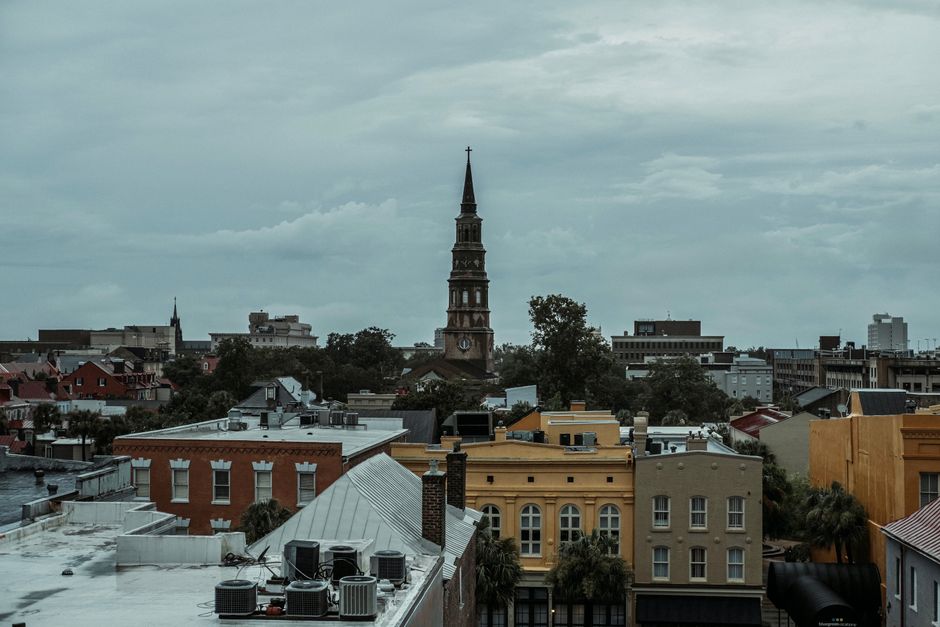
I landed in Charleston on a humid Thursday afternoon, rental car already feeling too warm, and immediately wondered where families actually *live* here. The historic district is gorgeous for a weekend, sure, but I had kids in mind—real families, the ones who need decent schools, parks where the kids can run around without dodging tour groups, and neighborhoods where you're not saving your entire down payment just to get a house with a yard.
After spending time in six different neighborhoods—some on foot, some driving the tree-lined streets with a local coffee in hand—I started seeing the pattern. Charleston isn't one neighborhood. It's a collection of them, each with its own rhythm, price point, and vibe. Some are old money and established. Others are younger, still finding themselves. A few are genuinely quiet. None of them feel like generic suburbs, which is half the reason people move here in the first place.
Ansonborough: The Sweet Spot Between Old and New
Ansonborough sits just west of the downtown core, which means you can walk to restaurants and galleries, but you're also far enough away that your morning doesn't sound like a tour bus rally. The neighborhood has that mix of restored single-family homes and a few newer townhouses—nothing too tall, nothing too raw. Streets are wide enough to feel safe for bike-riding kids, and there's a real community presence here. Families who've settled in Ansonborough tend to stay a while.
The schools zoning here puts you into some of Charleston County's better-performing options, which matters when you're deciding between neighborhoods. You'll find playgrounds that don't look neglected, and the neighborhood hosts regular farmers markets and street events. It's not as tourist-heavy as downtown or as isolated as some of the farther suburbs. Price-wise, you're paying more than you would in James Island or West Ashley, but less than South of Broad. If your family wants walkability without constant noise, this is where to look.
Mount Pleasant Across the Bridge: Suburban Without Feeling Generic
Most people think of Mount Pleasant as sprawl, and okay, parts of it are. But the older, closer-to-the-bridge sections—particularly the areas around Shem Creek and along Coleman Boulevard—have actual character. Trees that predate the subdivision boom. Neighborhoods with water access and genuine community feel.
Mount Pleasant has the schools that pull families out here. Moultrie Middle School and Oceanside Collegiate have solid reputations, and if private school is your route, there are good options nearby. You get more house for your money than you do downtown, and families with teenagers appreciate the proximity to activities without the constant traffic. The Towne Centre area has retail and dining, but it doesn't dominate the residential streets the way it does in some suburbs.
The catch: you're dealing with bridges into Charleston proper, so your commute times depend entirely on traffic and which bridge you take. But if you're working locally or doing remote work, Mount Pleasant lets you live a quieter life while staying connected.
James Island: Quiet Roads and Real Yards
James Island is where families go when they want actual land and don't mind being a little removed from downtown. You'll find larger lots here, actual garages, and the kind of tree cover that doesn't exist in urban neighborhoods. If your kids need space to run around, or if you've got dogs and you're tired of apartment life, James Island delivers.
The island's school options vary by exact location—some areas feed into schools with solid reputations, others less so—so you need to check the specific zoning before you commit. That said, families who land here tend to like the quietness. The trade-off is clear: you're not walking anywhere for dinner. Your social life requires coordination and a car. But if peace and actual outdoor space matter more to you than walkable-neighborhood vibes, James Island gets it done without breaking your budget the way Mount Pleasant does.

Folly Beach: For Families Who Want the Water Close
Folly Beach is the outlier—it's got that beach-town energy that appeals to families who are trading some convenience for lifestyle. The pier, the restaurants with outdoor seating, the fact that your kids can actually bike to the beach and the water is a *thing* you do, not a destination you drive to. Families with school-age kids here tend to be the ones who value that outdoor, water-centered life above the commute.
Housing is tight and expensive relative to the lot size you're getting, partly because it's a real neighborhood and partly because it's a beach town. Schools are adequate but not exceptional—the trade-off people accept when they choose Folly. The summer season brings tourists and crowds to the pier and main drag, but a block or two inland, it quiets down. If your family's whole personality revolves around being near water, and you're willing to pay a premium and accept a less robust school system, Folly works. Otherwise, it's better as a weekend spot.
West Ashley: Growing, Diverse, and Underrated
West Ashley gets less attention than it deserves, mostly because it's not downtown and it's not Mount Pleasant. But neighborhoods here—particularly around the Avondale area and near the bike path corridor—have real momentum. Young families are moving in, restaurants are opening, and the housing stock feels less developer-stamped than some newer suburbs.
West Ashley is cheaper than most close-in alternatives, which means you get better house-to-dollar ratio. The schools are solid in some zones, average in others—again, check the specific zoning. The big selling point is that you're seeing genuine neighborhood development, not just houses built at once and left static. The Lowcountry bike path connects here, so if outdoor recreation matters, you've got infrastructure. It feels a little grittier and less polished than Ansonborough, but that's partly the point—it's still becoming what it wants to be, rather than being a finished product.
What Actually Matters When You're Choosing
After walking these neighborhoods and talking to families who actually live in them, the decision tree is simpler than it looks. First: schools. If public school performance is make-or-break, that narrows your options and zoning matters more than neighborhood name. Second: commute tolerance. If you're working downtown or need quick access, Ansonborough wins. If you're remote or flexible, you can go farther for more space. Third: lifestyle match. Families who want walkability and urban energy pick differently than families who want quiet and yards.
None of these neighborhoods are mistakes. They're just different choices reflecting different priorities. The families I talked to who seemed genuinely happy were the ones who'd been honest about what they actually wanted—not what they thought they were supposed to want. If that sounds like overthinking it, maybe. But it's the difference between feeling like you live somewhere versus feeling trapped by a decision that looked good on a map.
Frequently Asked Questions
what are the best neighborhoods in Charleston SC for families with kids
Ansonborough, Mount Pleasant, and James Island are the top picks. Ansonborough offers walkability with good schools and parks, Mount Pleasant provides suburban space with strong school reputations, and James Island delivers larger lots and quieter streets. Each suits different family styles—urban-adjacent, suburban growth, or rural-leaning—so the best choice depends on whether you prioritize walkability, school performance, or outdoor space.
where should I live in Charleston if I have school age children
Mount Pleasant's areas near Coleman Boulevard and Ansonborough have the most consistent school reputations in Charleston County. Check specific zoning before committing, as school assignment varies by address. If private school works for your family, more neighborhoods become viable. West Ashley and James Island also have families with school-age kids, but performance varies by exact location.
is Charleston expensive for families relocating
Yes, but it depends on the neighborhood. Downtown and Folly Beach are premium. Mount Pleasant, Ansonborough, and West Ashley offer more reasonable options for families—you'll pay more than smaller Southern cities but less than major metros like Atlanta or Charlotte. James Island provides the best value if you want space and don't mind being slightly removed from downtown.
what neighborhood in Charleston is best for young families
Ansonborough and West Ashley work best for young families seeking balance. Both have walkable pockets, emerging restaurant and retail scenes, and younger demographic presence. Mount Pleasant also attracts young families, though it's more suburban. Folly Beach appeals to families whose lifestyle centers on beach and water access, despite higher costs and smaller lots.
Which neighborhood catches your eye?