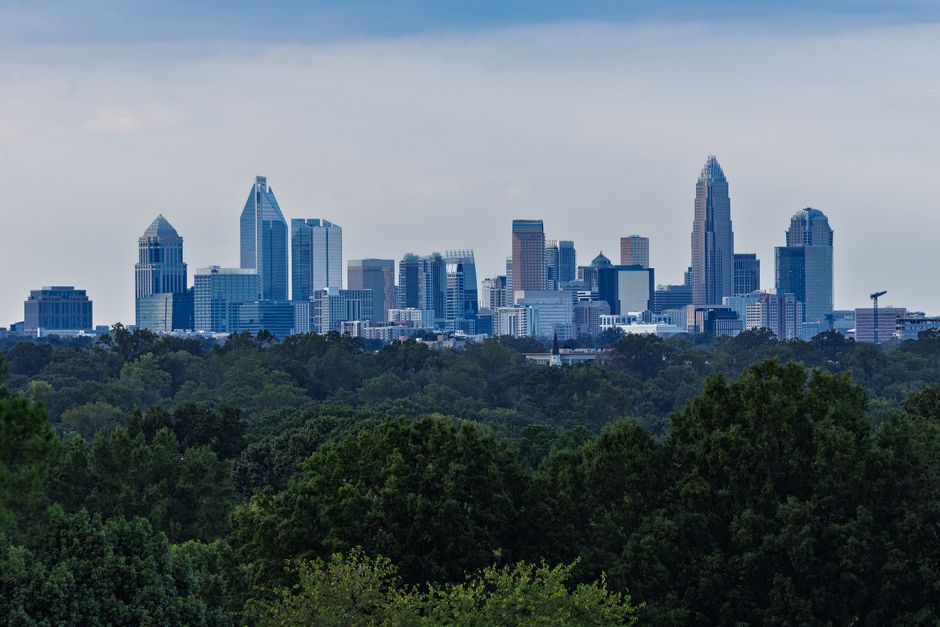
I landed in Charlotte on a Tuesday in October, rolling my suitcase out of the airport with the usual mix of excitement and mild anxiety. Solo travel always comes with that—not paranoia, but the sensible kind of vigilance you apply anywhere unfamiliar. Charlotte's a city I'd heard good things about: growing, relatively walkable in patches, friendly. What I wanted to know before I started exploring was the real story about where to actually be careful, not the sanitized tourism board version or the doom-scrolling Reddit threads.
The truth about Charlotte safety is refreshingly straightforward compared to some cities. It's not a particularly dangerous place by national standards, but it's not risk-free either. Like most mid-sized American cities with pockets of real poverty and areas of rapid gentrification, it has neighborhoods worth avoiding after dark and stretches where a solo traveler—especially at night—should be strategic about routes and timing.
I spent two weeks here, talking to locals, walking different blocks at different hours, and looking at actual reported crime data. What follows isn't fearmongering. It's the stuff you genuinely should know.
East Charlotte and the Eastland Mall Corridor
The Eastland Mall area—roughly where Central Avenue meets Independence Boulevard—is one zone that comes up consistently in conversation with locals and shows up in police data as a higher-crime area. The mall itself has struggled with vacancy and decline over the past decade, and the surrounding neighborhoods reflect that instability. During the day it's functional enough, but after sunset, especially alone, this isn't where you want to be wandering.
The broader swath of East Charlotte beyond immediate downtown also has pockets where property crime and street-level issues are more common. Some parts are fine. Some blocks feel sketchy. The problem is that without knowing the specific blocks well, you can't easily distinguish. My advice: if you're headed to East Charlotte, have a specific destination and a plan to get there directly. Don't walk it at night. Use a rideshare or taxi. During daylight, stick to main roads and well-trafficked areas.
West Charlotte: Varied But Requires Awareness
West Charlotte, particularly areas west of the I-77 corridor around the Westside neighborhoods, is mixed terrain. Some blocks are residential and quiet. Others have higher rates of street crime, particularly property crime and occasional armed robbery. This isn't uniformly dangerous—Charlotte residents live and work throughout West Charlotte—but it does require more awareness than, say, South End or Uptown.
The Beatties Ford Road area and some stretches further west have seen gang activity. Again, I'm not saying don't go there, but as a solo traveler, especially after dark, you want to be purposeful. Don't walk alone at night. Stick to your map. Don't linger. It's the kind of area where locals know the safe blocks and the ones to avoid, but an outsider can't read it as easily.
Downtown After Dark: Block by Block
Downtown Charlotte is busier and more actively policed than the neighborhoods I mentioned above, which generally works in your favor. The blocks around Uptown, Tryon Street, and the financial district feel reasonably safe even in the evening, especially when there are events happening (sports, concerts, restaurant crowds). I walked here after work hours multiple times without incident.
That said, the blocks immediately south and east of downtown—around parts of South Brevard Street and the older residential areas fringing downtown—thin out quickly after business hours. The farther you get from the main pedestrian corridors, the sparser the foot traffic, and the less safe it feels. The rule is simple: stick to the active, lit, occupied blocks. Don't venture into the quieter residential blocks alone at night. It's not that something will definitely happen. It's that if it did, fewer people would be around.

Practical Transit and Walking Safety
Charlotte's public transit system is functional but limited compared to major cities. The LYNX light rail runs from South End to the airport, and local buses serve most neighborhoods. For solo travelers, rideshare is genuinely safer than walking in uncertain areas, and it's affordable enough here that it's worth it. I used Uber and Lyft to move between neighborhoods after dark instead of trying to navigate unfamiliar blocks.
If you do walk, do it during daylight in areas where there's actual foot traffic. South End—the trendy stretch near the light rail station with breweries, restaurants, shops—is safe and walkable day and night because of density and crowds. The same goes for the neighborhood around NoDa, which is actively gentrifying and has foot traffic and restaurants open late. The neighborhoods in between, or the blocks immediately adjacent to these popular zones, are trickier.
Stay aware of your surroundings in a normal way. Don't be on your phone while walking at night. Know where you're going before you leave. Keep your bag secured. These are baseline precautions everywhere. In Charlotte, they matter most in the neighborhoods I've mentioned, and they're nearly non-negotiable if you're solo and out after 10 p.m.
Where Charlotte Actually Is Safe and Welcoming
I don't want to leave you with the impression Charlotte is dangerous. It's not. Most of the city is perfectly fine for solo travel. South End is genuinely excellent—walkable, populated, good restaurants and bars, light rail access, feels active and safe. NoDa (North Davidson Street and the surrounding blocks) has that creative, young-professional vibe with galleries and breweries, and it's accessible both day and night because of the density and the crowd.
The neighborhoods around Uptown's core—around Tryon, Brevard, around the streets where the office buildings and restaurants cluster—are safe for walking and eating and exploring, especially during business hours and early evening. The area around the Levine Museum and Romare Bearden Park is pleasant. South Carolina neighborhood areas are increasingly gentrified and feel safe. Myers Park is an established, affluent neighborhood with tree-lined blocks and is fine for walking, though it's quieter and less touristy.
If you're concerned about safety, stay in or near these areas. You'll see the real Charlotte—the parts that are growing, investing, and welcoming visitors—without constantly looking over your shoulder.

Night and Day: When to Be More Careful
The honest truth is that crime patterns change by time of day. Most property crime in Charlotte happens in early morning hours and late night. Violent crime, while less common, peaks in evening and night hours. This means your risk calculation is different at 2 p.m. than at 11 p.m.
If you're exploring neighborhoods I flagged as higher-risk, do it during daylight hours. You'll see things more clearly. You'll have fewer reasons to worry. After dark, restrict yourself to areas with significant foot traffic, adequate lighting, and active businesses. It's not paranoia—it's geography. Well-lit, busy blocks are safer because they're monitored by both people and police.
Don't accept rides from strangers. Don't walk alone while distracted. Don't linger in empty parking lots or dark side streets. These aren't Charlotte-specific rules, but they matter more in the areas I've mentioned.
Real Talk With Locals
I talked to people who live here—bartenders, shopkeepers, other travelers—and asked directly what they avoid and why. The consensus was consistent: locals don't go to East Charlotte or certain West Charlotte blocks alone at night either. It's not a solo traveler thing. It's a Charlotte thing. The places they recommended I spend time—South End, NoDa, Uptown, around UNC Charlotte if I made it north—are places they actually go. The neighborhoods they warned me away from are neighborhoods they avoid themselves after sunset.
That's often a good signal. If local residents aren't going somewhere at a certain time, there's usually a reason. Charlotte residents are friendly and helpful. They want visitors to have a good experience. When they say "don't walk that neighborhood at night," they mean it.
Final Takeaway
Charlotte is a good city for solo travel. It's not hostile or particularly dangerous. But like any city, it has geography. Some neighborhoods are safer and more welcoming than others, and nighttime changes the equation. The practical approach is simple: spend your time in the active, populated, well-lit areas—South End, NoDa, downtown core, Uptown proper. They're good anyway. If you venture elsewhere, do it during the day. After dark, use rideshare. Trust local advice, and don't let caution paralyze you—most of Charlotte is genuinely fine. I enjoyed my time here because I was smart about where I went and when, not because I was afraid.