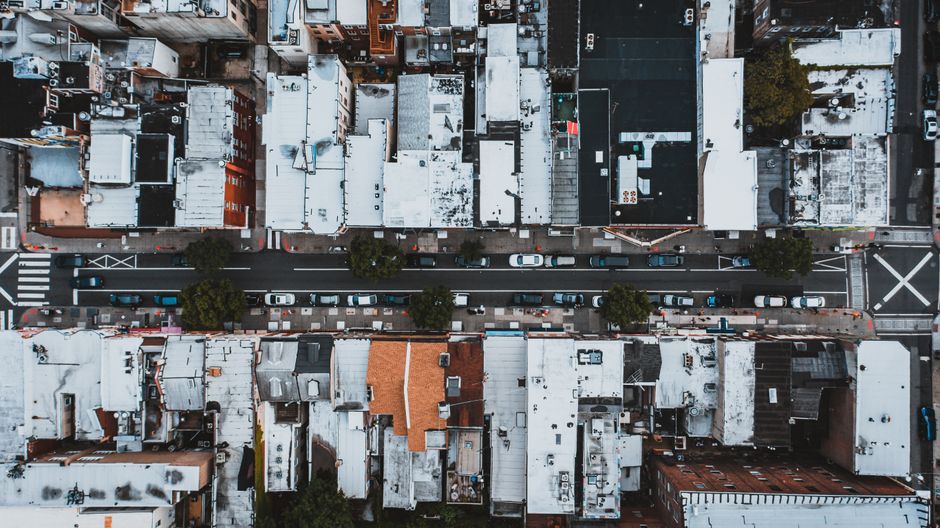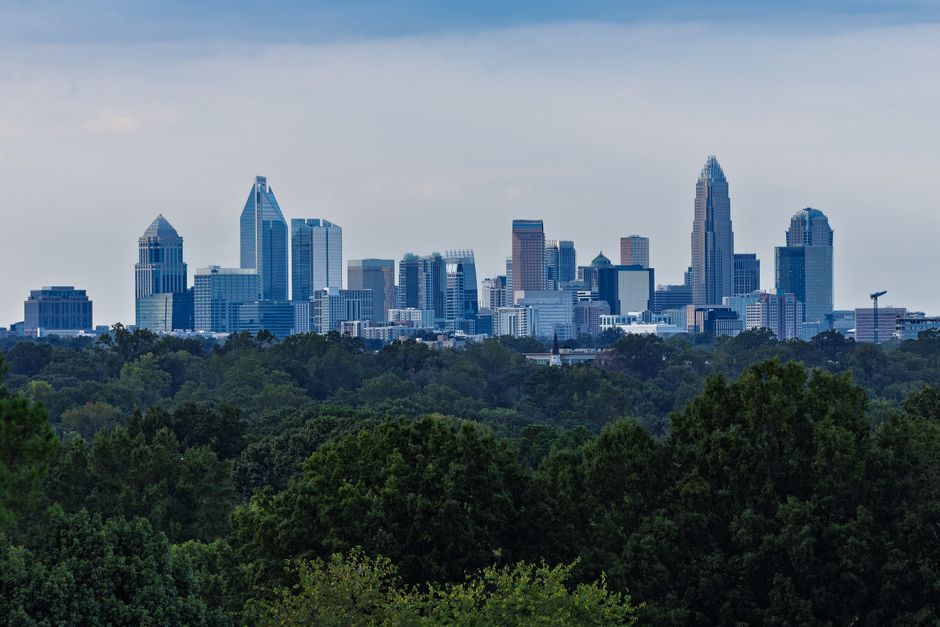
I rolled into Charlotte on a Friday afternoon expecting the usual regional hub energy—maybe some corporate polish, a few decent restaurants, a park or two. What I didn't expect was how aggressively the city tries to funnel you through the same five places. The Uptown skyline is genuinely there. The aquarium is operating. But after three weeks moving around the neighborhoods and talking to people who've actually lived here, I realized I was being sold the tourist playbook instead of the city itself.
So here's what I found: Charlotte has a real personality hiding just outside the obvious loop. It's not always prettier or louder than what's on the postcard. It's just more honest. And if you're coming through town, knowing the difference between the places everyone photographs and the places where things actually happen will save you time, money, and the hollow feeling of eating overpriced pulled pork at a rooftop bar with forty other tourists.
The Crowded Culprit: Uptown's Restaurant Row Isn't What It Used To Be
Uptown Charlotte used to be the answer when people asked where to eat. Now it's the answer for where to wait forty minutes for decent but forgettable food while a server apologizes about the kitchen backlog. Trade Street, Tryon Street, the whole cluster of chef-driven restaurants that got written up in national magazines—they've leaned so hard into visibility that they've lost what made them work in the first place.
I ate at one of the buzzy spots people keep mentioning. The cocktails came out correctly. The plating was clean. But the reservation felt like a transaction, and the meal felt like it was staged for Instagram rather than built for you to actually enjoy it. The prices have climbed while portion sizes haven't, and the tables are packed so tightly that you're basically dining with strangers whether you like it or not.
The real problem is simpler: Uptown got popular enough that it could stop caring about being good. The restaurant group model took over. Consistency became the goal instead of excellence. You'll eat fine there. You'll just eat fine in every other city's equivalent, too, and you could've saved a hundred bucks.

The Aquarium Trap: It's Exactly What You'd Expect From a Mall-Adjacent Attraction
The North Carolina Zoo in Asheboro is genuinely excellent—worth the drive, totally worth the ticket price. The aquarium in downtown Charlotte is designed for families with kids under ten who need three hours of air-conditioned distraction. There's nothing wrong with that, but it gets marketed like it's a destination when it's really just a convenience feature of downtown real estate.
You move through the same progression every aquarium has. Touch pools, jellyfish room, the big tank where you stand and wait for the same five fish to swim past. The place is clean and well-maintained, which sounds like faint praise because it kind of is. It's what a corporation decided a Charlotte attraction should look like—safe, predictable, photo-ready. The ticket price is steep enough to make you feel like you got your money's worth, which is the whole con right there.
South End's Instagram Moment Peaked Two Years Ago
South End is still an active neighborhood with actual residents and real businesses. But it also became famous enough that it fundamentally changed what it was. The mural walls are real. The breweries opened because the zoning was right, not as a marketing stunt. Yet once the TikTok algorithm decided it was a place, the neighborhood got hollowed out a little.
Walking through on a weekend is like walking through a outdoor mall that happens to have coffee. Everyone's taking the same photo in front of the same mural. The original restaurants got priced out or turned into higher-volume operations. New places opened specifically to catch the foot traffic, not because a person wanted to open a restaurant in South End—they wanted to open a restaurant in a place tourists had already heard of.
It's not ruined. You can still find good food, genuinely interesting independent shops, and the neighborhood still feels more authentic than Uptown. But if you're expecting an undiscovered neighborhood, you're ten years late. Come for the actual places, not because you read a listicle.
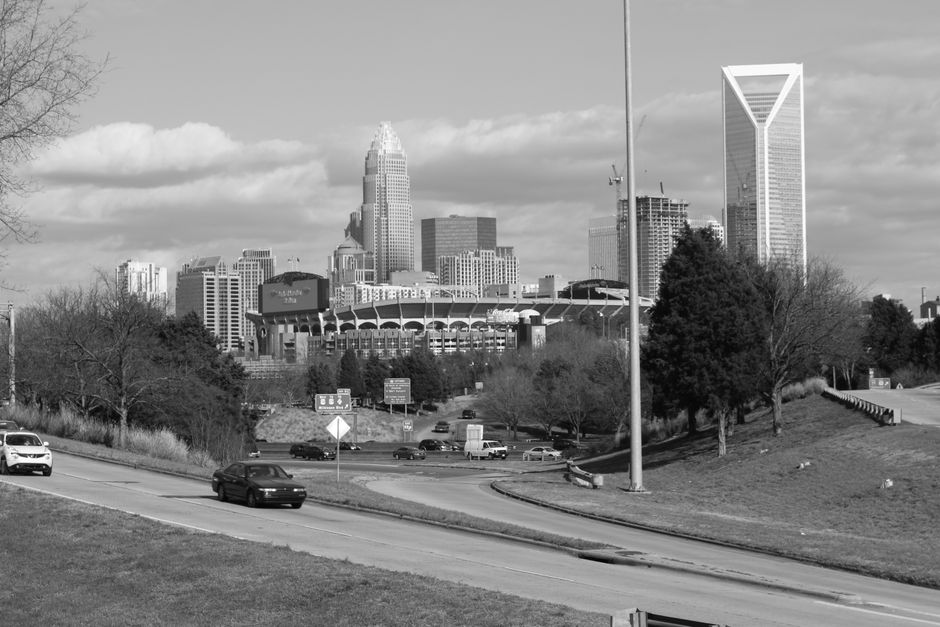
Romare Bearden Park: Beautiful Design, Empty Meaning
The park is objectively well-designed. The landscaping works. It photographs beautifully, especially at sunset. And it exists in downtown because the city committed money and land to creating a meaningful public space, which deserves acknowledgment. But it's also a downtown park that serves downtown Charlotte, which is a pretty small percentage of the actual city.
You go there, you walk around the paths, you maybe sit on a bench if the weather's right, and then you leave. There's no reason to go back. It's designed to be experienced completely in one visit, which is a weird goal for a park. It lacks the kind of friction and randomness that makes public spaces actually feel alive—no informal volleyball games, no street musicians who showed up without permission, no kid exploring the exact same patch of grass for the fifth time because they found an ant colony.
It's a park the way a corporate campus is a campus. It serves its function. It just doesn't make you feel anything except mild appreciation for the city planner who got it right.
NoDa Is Still Weird, Which Is Why It Actually Works
North Davidson Street is where you can still feel Charlotte being genuinely unpretentious. The neighborhood wasn't rezoned to be interesting. It just was, because artists moved into cheap warehouse space the way artists do, and the city mostly left them alone long enough for culture to actually develop.
The galleries are run by people who make work, not by corporate art consultants. The studios in the old buildings are actually producing things. You walk past murals that are genuinely strange and didn't come from a brand activation budget. The restaurants here feel less like they're performing and more like they're just feeding people who showed up hungry.
About Thyme is a neighborhood spot that serves actual food to people in the neighborhood. Resident Culture is a bookstore that exists because someone wanted to own a bookstore, not because the market research said the corner was gentrifying fast enough. The coffee shops don't look like someone's design school final project—they look like coffee shops. None of this is revolutionary, but it's honest, which feels revolutionary when you've just come from South End or Uptown.
Go on a weekday if you want to see what it actually is. Weekends are getting louder, more planned. But during the week, you get actual NoDa.
The Greenways Feel Like Charlotte Trying to Impress You and Actually Succeeding
The city's greenway system is one of the few things Charlotte does that doesn't feel like it's trying to be something else. They're not trendy. Nobody goes to the greenways because Instagram told them to. They go because you can walk or bike for miles without dealing with traffic, and it turns out that's genuinely useful and genuinely pleasant.
The Catawba Riverfront Trail is the main one—fourteen miles that run right through the city, and it's actually beautiful in a way that doesn't require editing. Trees actually shade you. The path is smooth enough that you don't hate yourself for running on it. You see people on weekends, but they're mostly just using it, not performing their use of it for an audience.
This is where Charlotte residents actually spend their time. Not in carefully curated attractions, but moving through the city on their own terms. If you want to understand how Charlotte feels when it's not trying, spend an afternoon on a greenway. You'll understand the city better than you would from any downtown tourist loop.
The Neighborhoods People Actually Live In: Plaza Midwood and Beyond Uptown
Plaza Midwood has the same bones as South End—old buildings, transit potential, room for growth—but it never got famous enough to destroy what made it work. The commercial district is active and weird and actually reflects what people in the neighborhood want, not what an algorithm decided they should want. Supergood coffee is there because someone makes exceptional coffee, not because the market data said this corner was trending. The galleries and record shops exist because they're useful to the people who live nearby.
It's gentrifying, sure. That's the reality. But it's gentrifying at a speed that's slow enough that older businesses can still afford the rent and new ones have to actually be good to survive. You can still stumble into somewhere completely random and have it be better than the planned experiences downtown cost you.
Frankford Avenue and Central Avenue, the stretches that aren't primarily tourist-facing yet, feel like actual Charlotte. You see people buying groceries, running errands, existing in a city rather than visiting it. The restaurants are denser per capita than Uptown, cheaper, and they're packed with locals who don't need a reservation because they come back regularly.
Why This Actually Matters: Charlotte's Real Strength Is Subtlety
Charlotte isn't trying to be New York or Austin or any other brand-name city. It's trying to be a solid mid-size city where stuff works and people can afford to live and do things they actually care about. That should be the whole pitch. Instead, the marketing keeps trying to manufacture cool, and it keeps missing the point that Charlotte's cool is already there—it's just less visible because it's too busy actually functioning.
The attractions that work are the ones that serve a real purpose: the greenways move people, NoDa produces culture, the neighborhoods feed and house people. The ones that feel hollow are the ones designed primarily to generate visits and spending. And you can tell the difference immediately if you just walk around and pay attention to who's there and why they showed up.
So don't skip the famous places if they genuinely interest you. But know what you're getting. You're getting a clean, well-maintained experience that could be any downtown in America. What you should actually do is go deeper, into the parts of Charlotte that don't need visitors to justify their existence. That's where the city makes sense.
Frequently Asked Questions
Is South End Charlotte worth visiting or overrated
South End is worth a visit but probably not worth planning your whole trip around. It's got good restaurants, real galleries, and active businesses, but it's gotten popular enough that you're experiencing it alongside a lot of other tourists. It's better than Uptown for finding independent spots, but it's not the undiscovered neighborhood some travel guides claim. Go if you're in the area, but don't expect it to feel hidden.
What is the best neighborhood to stay in Charlotte
NoDa and Plaza Midwood both give you actual neighborhood life without feeling like you're trapped in a tourist district. You'll be near real restaurants, actual people doing things, and the kind of random independent shops that make a place feel authentic. Both are walkable, have good transit connections, and you can eat and drink well without spending tourist prices.
Is Charlotte aquarium worth the money
The aquarium is fine if you have kids under ten and need air-conditioned distraction for a few hours. Otherwise, the ticket price isn't justified by the experience. The North Carolina Zoo in Asheboro is a much better use of your time and money if you want an actual animal attraction worth planning around.
Which one would you visit?